

Moving to Europe is a major life decision. It is not only about changing countries, but about changing how you work, spend money, plan your future, and deal with rules on a daily basis. This article explains the real costs, the documents you need, and what actually changes when you decide to build a life in Europe.
This guide is written for people who want clarity before making a move. It focuses on planning, practical decisions, and long-term impact, not on promises or shortcuts.
Why Moving to Europe Is Not Just About Buying a Ticket
Many people believe that moving to Europe is simple. You buy a ticket, arrive, and everything works out. In reality, Europe is complex. Each country has its own system, costs, taxes, and legal requirements.
The most important question is not if you can move, but if you can stay legally and financially after the first months. Planning is what separates those who stay from those who return.
Europe does not work as one single country. Rules that apply in Ireland may be very different from those in Germany, Spain, or the Netherlands. Understanding this difference is essential before choosing a destination.
Europe Is a Group of Countries, Not One System
Even inside the European Union, immigration rules vary for non-European citizens. Work permits, student permissions, and residency conditions depend on the country you choose.
Before moving, you must understand:
- If your nationality requires a visa
- Which legal pathway allows you to stay long term
- If your profession is accepted or regulated
- If the local job market matches your profile
Ignoring these points often leads to legal problems or financial pressure later.
How Much It Really Costs to Live in Europe
Cost of living is one of the biggest shocks for newcomers. Many people only calculate rent, but daily life involves much more.
Living costs include housing, transportation, food, healthcare, taxes, and emergency expenses. A broader comparison between countries helps put these costs into perspective, especially for people still deciding where to live. https://tanaeuropa.com/descubra-os-10-paises-mais-baratos-para-morar-na-europa-em-2024-custos-de-aluguel-e-salarios/ Countries with higher salaries often have higher costs, while cheaper countries may offer lower income opportunities.
A realistic budget should ideally cover several months without relying on immediate income.
Housing Is Usually the Highest Expense
Rent is the biggest monthly cost in most European cities. In capitals and very competitive urban areas, housing can consume a large part of your income, especially for newcomers or lower salaries.
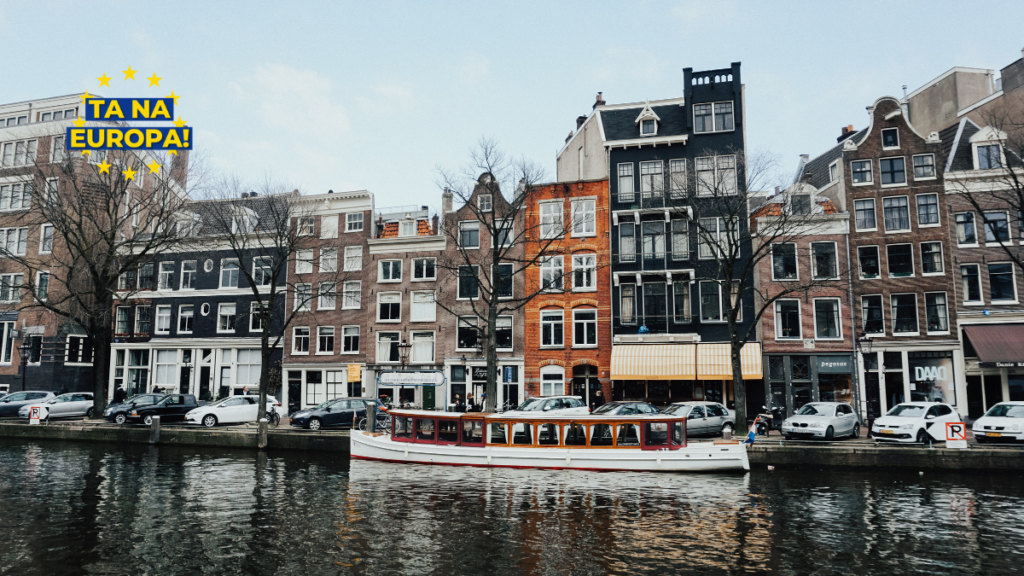
Common challenges include limited availability, high deposits, shared housing, and temporary accommodation during the first months. Many people start in shared apartments before finding stability.
Daily Expenses That Are Often Forgotten
Besides rent, many newcomers forget to calculate recurring costs such as transportation passes, electricity, heating, internet, phone plans, and local fees.
Healthcare expenses and mandatory insurance are also part of daily life. These costs may look small individually, but together they significantly affect your budget.
Documents You Need Before and After Arrival
In Europe, documents are essential for everything. Without proper paperwork, you cannot work, rent legally, open a bank account, or access public services.
Common required documents include a valid passport, residency permission, proof of address, health insurance, tax identification number, and a local bank account.
Each country has strict deadlines and renewal rules. Missing a deadline can cause serious problems.
Understanding Visas and Residency Permits
There is no universal European visa. Each country defines its own categories.
The most common legal pathways include student permissions, work permits, family reunification, and residency based on citizenship or long-term residence. Choosing the correct option depends on your profile and long-term goals. https://en.tanaeuropa.com/types-of-visas-to-live-in-ireland-which-one-to-choose-in-each-situation/
Choosing the wrong visa can limit your ability to work or stay long term, so understanding the conditions before applying is critical.
Why Health Insurance Is Mandatory in Europe
Health insurance is a legal requirement in many European countries and for many residence permits, even where public healthcare exists.
In many cases, private insurance is mandatory during the initial period of residence. Without it, visa renewals may be denied and healthcare access becomes limited or expensive.
This requirement is often underestimated by newcomers.
Working in Europe: Salaries, Taxes, and Reality
European salaries are usually presented as gross income. Taxes and social contributions are deducted automatically, reducing take-home pay.
Understanding how taxation works is essential to avoid surprises. Taxes, deductions, and net income vary widely across Europe and directly affect your real quality of life after relocation. https://tanaeuropa.com/como-funciona-o-sistema-de-impostos-na-europa-e-o-que-muda-para-estrangeiros/ Income tax, social security, and pension contributions vary by country and income level.
A higher salary does not always mean more purchasing power.
Is Your Profession Valued in Europe
Some professions are in higher demand across Europe, such as healthcare, engineering, technology, logistics, construction, and hospitality.
Office-based roles often require local language skills, while technical and manual roles may offer faster entry into the job market in many countries, with some exceptions in international hubs.
Recognition of qualifications may be required, depending on the profession and country.
Planning Your Move Step by Step
Moving without a clear plan increases stress and costs. A structured plan includes choosing a country based on goals, defining a legal pathway, preparing a financial buffer, and setting realistic expectations.
Good planning reduces mistakes and increases long-term stability. Learning from real migration paths and common errors can save time, money, and stress during the first year. https://tanaeuropa.com/erros-comuns-de-quem-decide-morar-na-europa-e-como-evitar/
Why Many People Leave Europe After the First Year
The most common reasons for returning are financial pressure, legal difficulties, loneliness, and unrealistic expectations.

Europe offers opportunities, but adaptation takes time. Those who succeed usually prepare better and understand that the first year is a transition period.
Is Moving to Europe Worth It in the Long Term
For many people, Europe offers safety, public services, work-life balance, and quality of life. However, these benefits come with rules, taxes, and responsibilities.
The biggest change is not financial, but mental. Adapting to a new system requires patience and discipline.
What Nobody Tells You About Life in Europe
Life may feel slow at first. Language barriers, cultural differences, and bureaucracy can be frustrating.
Over time, stability replaces urgency. People who stay long term usually say that planning and persistence made the difference.
Ta Na Europa!
Moving to Europe is more than changing your address. It is a decision that affects your finances, routine, and future.
With proper planning, realistic expectations, and correct documents, Europe can offer stability and balance. Without preparation, the same move can become stressful and expensive.
Before making a decision, understand the costs, rules, and long-term impact. Europe rewards preparation, not impulsive moves.
Sources and references:
EU Immigration Portal – official information for non-EU citizens – https://home-affairs.ec.europa.eu/policies/migration-and-asylum/eu-immigration-portal_en
Living and working in the European Union – rights and requirements – https://european-union.europa.eu/live-work-study/immigration-eu_en
Visa policy of the Schengen Area – overview and rules – https://en.wikipedia.org/wiki/Visa_policy_of_the_Schengen_Area
