


Every year, between February and March, thousands of students start preparing their university applications across Europe. If you plan to begin your studies in September, this is the most critical moment. Missing one document or misunderstanding one requirement can delay your plans for an entire year. In this guide, I explain what you really need to prepare before spring deadlines and what many people only discover too late.
Why Spring Deadlines Matter More Than You Think
Spring deadlines are not just another date on the calendar. In many European countries, universities close their main intake applications between January and April for courses starting in September. In Ireland, for example, the main undergraduate deadline through the national system usually closes at the beginning of February, with a late window opening in March. In the United Kingdom, key equal consideration deadlines often happen in January. This means that waiting until March can already be risky depending on the country.
If you are applying from outside the European Union, the timeline becomes even more sensitive. Visa processing, proof of funds, health insurance and accommodation arrangements all depend on early approval. Waiting until the last minute can create stress that could easily be avoided.
So the question is simple. Are you ready with everything universities expect from you?
Understanding the European Application System
Europe does not follow one single application model. Each country has its own structure, deadlines and admission rules. Assuming that all universities follow the same pattern is one of the biggest mistakes applicants make.
Different Systems Across Countries and Why It Matters
In Ireland and the UK, undergraduate applications usually go through centralized platforms. In other countries such as Germany, Spain or Italy, many universities accept direct applications through their own portals. Some master programs operate on rolling admissions, while others have strict cut off dates published months in advance.
Before preparing documents, you must check whether your chosen university uses:
- Centralized admission platform
- Direct university application
- Rolling admissions system
- Fixed national deadline
This difference changes everything. In rolling admissions, applying early can increase your chances because places may fill up gradually. In fixed systems, missing the deadline can mean waiting an entire year.
Main Documents You Must Have Ready
This is where many students make mistakes. They focus only on academic transcripts but forget other critical documents that can block the process.
Academic Transcripts and Certificates
You must prepare:
- High school diploma for undergraduate programs
- Bachelor degree certificate for master programs
- Official transcripts with grades
In many cases, documents must be translated into English or the local language by a certified translator. Some universities may request officially certified copies. Requirements vary, so you must confirm directly with the institution.

Do not wait until the last weeks before the deadline to request transcripts. Processing times at schools and universities can take several weeks.
English Language Certification and Validity Rules
If the program is taught in English, universities usually require proof such as IELTS or TOEFL. Minimum scores vary depending on the course and the institution. Some universities may waive the requirement if your previous education was fully in English, but this is not automatic.
One important detail that many people forget is validity. Language test results are typically valid for two years. Submitting an expired certificate can result in rejection even if your academic profile is strong.
Booking your exam early is essential. Test centers often become full during peak application months.
Motivation Letter and CV That Make Sense
Your motivation letter is more important than many students think. It is not just a summary of your resume. Universities want to understand:
- Why you chose that course
- Why that country
- What your career plans are
- How the program fits your profile
Keep it clear, honest and structured. Avoid complex words. Be direct and show real intention. A simple and authentic letter is usually stronger than a complicated one full of difficult vocabulary.
Reference Letters and Timing Pressure
Many master programs require one or two academic or professional references. Professors and employers need time to prepare letters. Asking one week before the deadline is not realistic.
Plan at least one month in advance. Confirm whether references must be uploaded directly by the referee or submitted by you. Each university may follow a different system.
Financial Planning: Costs, Deposits and Proof of Funds
This is the part that creates the biggest surprises.
Tuition Fees and Payment Structure Across Europe
Tuition fees vary widely in Europe. Some countries charge low fees for EU students but significantly higher fees for international applicants. Others apply the same structure to everyone.
Before applying, calculate:
- Annual tuition cost
- Deposit required to secure your place
- Payment deadlines
- Possible increases for the next academic year
Many universities require a non refundable deposit after issuing an offer. If you are applying to multiple institutions, you may need to decide quickly where to commit financially.
Proof of Funds for Visa Applications
Non EU students must show proof that they can support themselves during their studies. The required amount depends on the country and may be updated periodically by immigration authorities. In Ireland, for example, financial requirements are clearly defined and must be proven before visa approval.
This money usually must be in your bank account before the visa application. Financial documents may also need to be recent, sometimes issued within a limited timeframe.
If you are not financially prepared by the time you receive your acceptance letter, you risk losing valuable time.
Health Insurance Requirements and Legal Compliance
Student insurance is mandatory in several European countries, especially for non EU students. Immigration authorities may require private medical insurance as a condition for granting residence permission.
Check carefully:
- Minimum coverage required
- Whether travel insurance is accepted
- If national health registration is necessary after arrival
Insurance is not just a visa formality. Medical care in Europe can be expensive without coverage, and lack of proper insurance can affect your legal status.
Who Is Most Affected by Late Preparation
You might think you still have time. But who suffers the most from delays?
- International students needing visas
- Students applying for scholarships
- Applicants depending on bank loans
- People changing careers later in life
Scholarship deadlines are often earlier than admission deadlines. That means you must prepare documents even earlier if you are looking for financial support.
Hidden Risks and Small Details That Create Big Problems
There are small details that can create serious complications.
Document Expiration and Administrative Rules
Some language tests expire. Financial statements may need to be recent. Passport validity may need to extend beyond your planned stay.
Submitting outdated or incomplete documentation can result in rejection or delays that affect your visa timeline.
Accommodation Pressure After Acceptance
Once accepted, thousands of students start looking for housing at the same time. In major cities such as Dublin, London, Berlin or Barcelona, accommodation demand can rise quickly before the academic year starts.
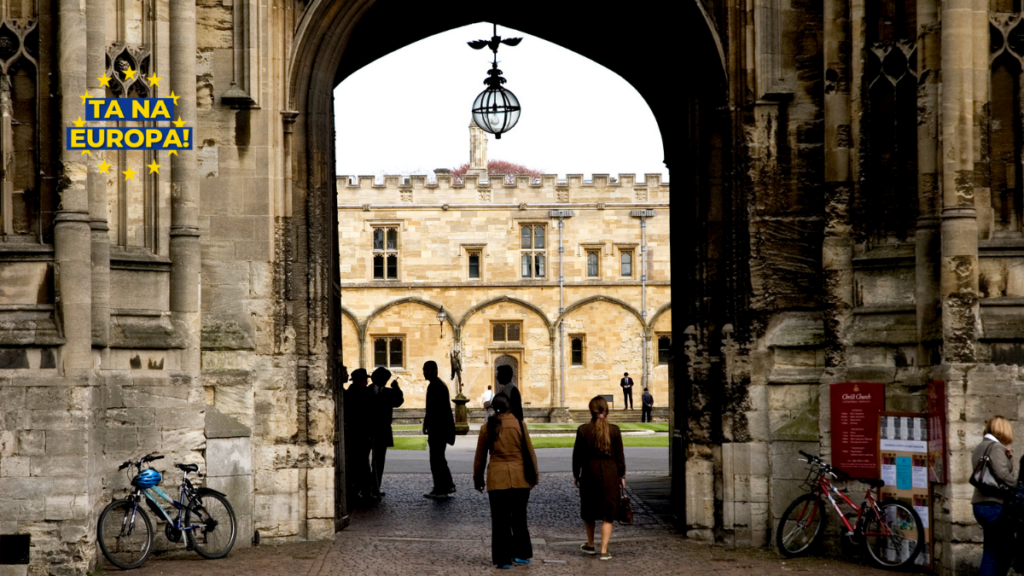
If you wait too long, prices may increase and availability may drop. Early planning gives you more control and fewer surprises.
What Changes If You Apply After Spring Deadlines
Some universities offer late or second intakes. However, options may become limited.
You may face:
- Fewer available courses
- Higher competition
- Reduced scholarship availability
- Shorter visa processing windows
Applying early does not guarantee admission, but it increases your strategic advantage and gives you more time to organize every step.
A Practical Timeline to Follow Before Final Deadlines
If you are in the early months of the year, follow a structured plan:
- Week 1 check official requirements and confirm deadlines
- Week 2 request transcripts and contact referees
- Week 3 finalize motivation letter and update CV
- Week 4 submit applications and confirm payments
Keep copies of everything. Organize your documents in digital folders. Being organized reduces stress and prevents last minute mistakes.
Long Term Impact of Getting It Right
Applying to university in Europe is not only about admission. It is about planning your future in another country.
Early preparation allows you to:
- Compare offers calmly
- Plan your finances with more clarity
- Prepare relocation in an organized way
- Avoid unnecessary legal or administrative stress
When you move countries, small delays can create chain reactions. Flights, housing, visa appointments and enrollment all depend on timing.
If you want extra context while planning, these related guides can help you compare countries, budgets, and realistic study costs across Europe: https://tanaeuropa.com/descubra-os-10-paises-mais-baratos-para-morar-na-europa-em-2024-custos-de-aluguel-e-salarios/ and https://tanaeuropa.com/quanto-custa-estudar-na-irlanda-taxas-e-custos-reais-de-vida/.
If Ireland is on your list, it is worth checking visa options, the minimum wage context for part time work, and which universities are popular with international students: https://tanaeuropa.com/tipos-de-visto-para-morar-na-irlanda-qual-escolher-em-cada-situacao/, https://tanaeuropa.com/salario-minimo-na-irlanda-chega-a-e2-45267-por-mes-em-2026-com-nova-regra/, and https://tanaeuropa.com/universidades-mais-procuradas-por-estrangeiros-na-europa/.
I say this as someone who moved to Europe in my thirties and learned that preparation changes everything. If you take deadlines seriously now, your September arrival can feel organized instead of chaotic.
Conclusion of Ta Na Europa!
Applying to universities in Europe before spring deadlines is about strategy, not panic. The earlier you prepare your documents, financial proof, insurance and references, the smoother your process will be.
Every year the same mistake happens. People wait, thinking there is still time. Then deadlines arrive and stress begins. Do not let that happen to you.
Start today. Organize your documents. Review official requirements directly with each university. And treat your application like a serious investment in your future.
Official References
Central Applications Office Important Dates – https://www.cao.ie/index.php?page=important_dates
UCAS Undergraduate Application Deadlines – https://www.ucas.com/applying/applying-university/ucas-undergraduate-when-apply
Irish Immigration Service Study in Ireland Guidelines – https://www.irishimmigration.ie/coming-to-study-in-ireland/
