
Free Universities in Europe The Hidden Financial Reality

Studying in Europe for free sounds simple and attractive. Many headlines say tuition is zero in countries like Germany, and sometimes Norway, depending on your nationality. But what does free really mean when you look at the full picture. In this article I will break down what is truly free, what still costs money, and what international students often discover too late. I am writing this as someone living in Ireland, not a native English speaker, trying to understand Europe like you. On paper, free tuition looks like the perfect solution for budget conscious students. In reality, the numbers tell a more complex story. What Free Tuition in Europe Really Means When universities say tuition is free, they usually mean there is no direct academic fee charged per semester for the course itself. This is common in public universities in countries such as Germany and, in some cases, Norway for EU and EEA students. However, free tuition does not automatically mean free education. Most public institutions still charge semester contributions. These can include administrative fees, student union payments, and public transport tickets. For a broader overview of how these fees appear across different countries, you can check our guide on studying in Europe at https://tanaeuropa.com/estudar-na-europa-custos-requisitos-e-melhores-destinos-explicados/. In Germany, for example, semester fees can range from a few hundred euros per term. It is not tuition, but it is not zero either. Another important point is eligibility. Some countries differentiate between EU and non EU students. In certain regions, non EU students may now face tuition fees that did not exist before. So the idea of universal free education is not always accurate. Who Is Truly Eligible for Zero Tuition Eligibility depends on nationality, residency status, and the specific university. EU citizens often benefit from lower fees across the European Union. Non EU students must carefully check if new regulations apply to them. In recent years, some German federal states introduced tuition for non EU students. Other countries, like Sweden and Denmark, charge full tuition for students from outside the EU. So when you read free university in Europe, always ask for whom. If you are researching study options, you may also want to read our related analysis about studying in Ireland and how tuition compares to continental Europe at https://en.tanaeuropa.com/how-much-does-it-cost-to-study-in-ireland-real-fees-and-living-costs/. The Costs Nobody Mentions in Big Headlines Even if tuition is zero, you still face several mandatory expenses. Health insurance is compulsory in most European countries. In Germany, public student insurance can cost over one hundred euros per month. Over a year, this becomes a significant amount. Many countries also require proof of funds for a student visa. Germany, for example, requires a blocked account showing thousands of euros available for living costs. This money is yours, but you must prove you already have it before arrival. So the question becomes clear. Is it free if you need to show ten thousand euros in advance. Living Costs The Real Financial Pressure Rent is often the biggest expense. In cities like Berlin, Munich, or Amsterdam, housing demand is high. If you are thinking specifically about Ireland, our detailed cost breakdown at https://tanaeuropa.com/quanto-custa-estudar-na-irlanda-taxas-e-custos-reais-de-vida/ shows how rent and daily expenses compare to other European study destinations. Student dormitories are limited. Private rentals are expensive. A simple room in a shared apartment can cost between five hundred and nine hundred euros per month depending on the city. Add food, transport, phone, internet, and basic leisure, and monthly living costs can easily reach one thousand euros or more. Compared to tuition based systems like the United Kingdom or Ireland, the absence of tuition can be attractive. But when you calculate total yearly cost of living, the difference may not be as dramatic as expected. If you are comparing countries, you can also check our breakdown of cost of living differences across Europe at https://en.tanaeuropa.com/studying-in-northern-vs-southern-europe-costs-lifestyle-and-opportunities/ which helps put numbers into perspective. Hidden Academic and Administrative Fees Free tuition does not always include everything related to your degree. Some programs charge additional laboratory fees, field trip contributions, or specialized materials. In certain master programs, especially those taught in English, universities may introduce service charges or special program fees. These are not always clearly highlighted in marketing materials. Another cost many students underestimate is document translation and recognition. Certified translations, visa documents, and academic credential recognition can add hundreds of euros before classes even begin. Work Opportunities Can You Really Offset Costs Many students plan to work part time to support themselves. European countries allow limited student work hours. However, income from part time jobs rarely covers full living costs in expensive cities. Language can also be a barrier. In Germany, for example, knowing German significantly increases job opportunities. Without it, options may be limited to basic roles. Wages differ across Europe. In Ireland, where I live, minimum wage levels are higher than in many other EU countries, but tuition is not free. So there is always a trade off between salary level and education cost. You can read more about working rights and visa rules in our visa focused article which explains practical restrictions many students overlook, together with broader job market insights at https://en.tanaeuropa.com/working-in-europe-as-a-foreigner-rules-visas-and-opportunities/. Impact on Non EU Students What Changed Recently Policy changes across Europe have slowly shifted the landscape. For example, Norway introduced tuition fees for most non EU and non EEA students starting in the 2023 2024 academic year, while keeping education largely tuition free for EU and EEA citizens. Some countries that were traditionally tuition free introduced fees for non EU students to balance public budgets. This creates a new reality. For EU students, education may remain almost free. For international students from outside Europe, tuition can suddenly appear depending on region and program. This shift has a direct economic impact. Students must compare not only tuition but also exchange rates, currency risks, and long term residency opportunities. Is Free Tuition Worth It When You Add Everything Let us do a simple thought exercise. If tuition is zero but yearly living costs
Second Residency in Europe: Risks, Taxes and Reality

Holding two legal residencies in Europe may sound like a smart move for high mobility professionals. But is it fully legal, financially efficient, or simply expensive? In this article, I will break down what really happens when someone tries to maintain residence in two European countries at the same time, and what nobody clearly explains about taxes, visas, reporting duties, and real risks. If you move often for work, remote contracts, consulting projects, or business opportunities, this topic matters more than you think. The idea of having flexibility across borders looks attractive. But what changes in practice? What does the law actually say? And who is truly affected when authorities start checking where you really live? This is not a simple yes or no topic. It involves immigration law, tax law, and social security coordination inside the European Union. That is why it deserves a deeper look. Why Second Residency Is Becoming More Popular In recent years, Europe has seen a rise in remote workers, freelancers, founders, and consultants who are not tied to one single office. Many professionals divide their time between different countries for lifestyle reasons, family reasons, or business strategy. Some want tax efficiency. Others want a second option in case immigration rules change. Some simply do not want to depend on one country only. For EU citizens, free movement makes mobility easier. They can relocate inside the European Union without applying for traditional visas. But easier movement does not mean unlimited residency rights without consequences. For non EU citizens, the motivation can be stronger. A second residency may look like security. If one permit expires or is not renewed, there is another legal path. But this is where complexity starts. Residency is not citizenship. Residency is conditional. It normally requires physical presence, registration, and compliance with local laws. Each residence permit has its own renewal rules, minimum stay obligations, and documentation requirements. If you want a broader view of what changes when you move countries, this type of decision is also explored in more general guides about relocation, such as moving to Europe, costs, documents, and what really changes: https://en.tanaeuropa.com/moving-to-europe-costs-documents-and-what-really-changes/ Is It Actually Legal to Hold Two Residencies? Legally speaking, yes, in many cases you can hold two valid residence permits at the same time. There is no general European law that automatically forbids it. However, each country defines its own residence conditions. Some permits require you to spend a minimum number of days per year in the country. If you fail to meet that requirement, the permit can be cancelled. So even if you are legally allowed to have two residence cards, maintaining both in practice may be difficult. For EU citizens, things are different. They do not need residence permits in the same way. But tax residency still becomes relevant, and that is where most conflicts appear. Physical Presence and the 183 Day Rule Most European countries use the 183 day rule as a reference for tax residency. If you stay more than 183 days in a country within a calendar year, you are usually considered tax resident there. But even if you stay less than 183 days, you can still be treated as tax resident if your center of vital interests is in that country. This includes: If you divide your year between two countries, you might trigger tax residency in both. That is when double taxation treaties become important. Tax Conflicts: What Nobody Explains Clearly Europe has many bilateral double taxation treaties. These agreements define which country has priority to tax certain types of income when a person qualifies as resident in both states under domestic law. However, having a treaty does not eliminate obligations. It only defines how taxation should be coordinated. In practice, you may still need to file tax returns in both countries and then apply treaty tie breaker rules or tax credits. If you want a deeper explanation of how European tax systems treat foreign residents, including worldwide income and treaty protection, a complementary view appears in this article about how taxes work in Europe for foreign residents: https://en.tanaeuropa.com/how-taxes-work-in-europe-for-foreign-residents-impact-rules-and-what-changes/ For example, if you split your time between Ireland and Portugal and you earn consulting income from international clients, you may need to: The administrative burden can increase significantly. You may face: This is rarely discussed in online forums, but it is very real in practice. Social Security Coordination: One Country at a Time Many professionals focus only on income tax. But social security can be even more sensitive. Inside the European Union, social security is coordinated under EU regulations. The general principle is that a person should be subject to the legislation of only one Member State at a time. If you work in more than one EU country, special rules apply to determine which country is competent. In many cases, this depends on where you perform a substantial part of your activity or where your employer is established. This means that, as a rule, you should not be paying full social security contributions in two EU countries simultaneously for the same activity. However, if your situation is unclear, poorly structured, or not properly documented, authorities may question where contributions are due. This can create unexpected assessments, back payments, or administrative disputes. Health coverage is also linked to the country responsible for social security. Being registered as resident in two countries does not automatically give you full public healthcare rights in both. Clarifying this point before structuring dual residency is essential. It also connects directly with how healthcare systems and residency rules interact across Europe, a topic explored in more detail in discussions about healthcare for residents and expats in Europe: https://en.tanaeuropa.com/how-healthcare-works-in-europe-for-residents-and-expats-risks-and-opportunities/ Banking Transparency and Reporting Obligations European countries participate in automatic exchange of financial information. Banks report account balances and financial data to tax authorities under international transparency rules. If you declare residency in one country but your spending patterns, contracts, and income show strong ties to another, authorities may request clarification. This does not mean
Moving to Europe? The Financial Impact No One Explains

If you are planning to move to Europe, the visa is only one part of the story. The real challenge often starts before the flight ticket. Financial planning can define whether your relocation will be stable or stressful. In this article, I break down what you should prepare now, especially if you are moving from outside the EU. As someone from São Paulo, now living in Ireland, I learned that the money side of immigration is what people underestimate the most. Let us go step by step and understand what changes, who is affected, and where the real risks and opportunities are. Why Financial Planning Before Moving Matters More Than You Think Many people focus only on getting the visa approval. But approval does not mean financial safety. The first months in Europe are usually the most expensive period of the entire process. Flights, deposits, rent in advance, temporary accommodation, insurance, documentation fees and daily costs can easily go beyond what most people calculate. If you want to compare how living expenses change across countries, this overview may also help: https://tanaeuropa.com/descubra-os-10-paises-mais-baratos-para-morar-na-europa-em-2024-custos-de-aluguel-e-salarios/ If you arrive without a clear reserve, you may accept the first job offer available, even if it is below your expectations. Good planning gives you negotiation power. It also gives you time. The Real Cost of Relocation: What Most People Skip Let us break this down into practical categories. In Ireland, for example, the law limits advance rent and deposits. A landlord cannot request more than one month deposit and one month rent in advance. The same logic applies in countries like Germany, the Netherlands or Portugal, although the numbers vary. Ignoring these details creates pressure from day one. And when pressure starts early, decisions become emotional instead of strategic. Banking in Europe: What Changes When You Arrive Opening a bank account sounds simple. In practice, it can delay your first salary if you are not organized. Traditional banks usually require proof of address and identification. Digital banks can help at the beginning, but they are also subject to strict verification rules. Large transfers may trigger temporary reviews, and you must always be ready to explain the source of your funds. If you plan to work as self employed or receive income from digital platforms, you may need to evaluate whether a business account is more appropriate. Mixing personal and business transactions can create tax confusion later. Taxes and Residency: What Nobody Explains Clearly In many European countries, staying more than 183 days in a tax year can make you tax resident. However, some countries also apply additional tests based on previous years or overall presence. Becoming tax resident may mean your global income is considered for taxation, depending on local rules and double taxation agreements. This is not automatic in every situation, but it must be verified carefully. Hiring a tax advisor in the first year may look expensive, but mistakes can cost much more later. Salaries vs Real Net Income: The Hidden Gap When people compare countries, they often compare gross salary. But what really matters is net income after taxes, social contributions and mandatory insurance. Before making comparisons between countries, always use official government tax calculators and confirm current contribution rates. You can also explore practical salary simulations here: https://tanaeuropa.com/quanto-sobra-de-um-salario-de-50-mil-euros-na-irlanda-apos-impostos/ Only after that you can calculate real purchasing power. Emergency Fund: How Much Is Enough? Many experts suggest three to six months of living expenses. For immigrants, the safer range is closer to six months. Because you may face delays in documentation, slower hiring processes or unexpected housing changes. An emergency fund is not pessimism. It is strategy. If you are still deciding which country makes more financial sense, you may also read: https://tanaeuropa.com/qual-pais-da-europa-vale-mais-a-pena-para-trabalhar-em-2025/ Legal Support: When Is It Worth Paying a Lawyer? If your case involves family reunification, complex visa categories or business migration, legal guidance can reduce risk. But not every case requires a lawyer. Before paying high fees, ask yourself if your situation is straightforward and if official government guidelines are clear. Sometimes one professional consultation is enough. Currency Exchange Strategy: Timing Can Save You Money If you are converting large amounts from your home currency to euros, exchange rate volatility matters. Small percentage differences can represent significant amounts when transferring savings. Instead of sending everything at once, some people split transfers over time to reduce risk. Always check transfer limits and compliance rules in both countries to avoid temporary account restrictions. Renting vs Buying: Should You Think About Property Now? In the first year, renting is usually the safer option. Buying property requires credit history, stable employment and understanding of mortgage rules. Banks analyze income stability carefully. Without a long term contract or solid residency status, approval can be difficult. The first financial goal should be stability, not ownership. Health Insurance and Social Systems: What Is Mandatory? Some countries require private insurance before you access public healthcare. Others automatically deduct social contributions from salary. If you arrive without understanding this, you may double pay or remain uninsured during the transition. Confirm what is included in your contract and what you must arrange independently. Remote Work and Digital Income: Extra Attention Required If you plan to work remotely for a foreign company while living in Europe, verify your tax residency status, employer obligations and social security contributions. Being proactive avoids penalties and stress later. If your goal is long term stability, understanding residency pathways can also be useful: https://tanaeuropa.com/como-conseguir-residencia-permanente-na-irlanda-regras-atualizadas/ Conclusion of Ta Na Europa! Moving to Europe can be one of the best decisions of your life. But the financial angle is what separates a smooth transition from a stressful experience. Visa approval is only the beginning. Real stability comes from planning costs, taxes, banking, housing and emergency reserves with clarity. Money planning is not about being rich. It is about being prepared. For further official information and policy references, see the sources below. Tax residence rules in Ireland – https://www.revenue.ie/en/jobs-and-pensions/tax-residence/resident-for-tax-purposes.aspxSecurity deposits and tenant rights in Ireland – https://www.rtb.ie/renting/rights-responsibilities/security-depositsOpening a bank
Health Insurance for Spring Travel in Europe Guide

Spring in Europe is one of the most popular travel seasons. Flights get busy, cities get crowded, and prices slowly go up. But one detail many people ignore is health insurance. In this guide, I will explain what coverage you really need, what changes in spring, and what mistakes can cost you money. If you are planning to travel across Europe, this is something you should not skip. Why Spring Travel Increases Insurance Risks Spring looks calm. Flowers, good weather, outdoor cafés. But from a risk perspective, this season brings specific issues that many travelers do not think about. More people travel between March and June. That means more accidents in airports, more crowded transport, and longer waiting times in hospitals. It also means higher medical costs in tourist areas. Insurance companies know this. That is why premiums can change during peak periods. If you are traveling from outside the EU, understanding how the European healthcare system works is essential. I already explained part of this in another article on Ta Na Europa, where many readers were surprised by how different the system is compared to the US or Brazil: https://tanaeuropa.com/como-funciona-a-saude-na-europa-para-residentes-e-expatriados-riscos-e-oportunidades/. But what really changes in spring? What Changes During Spring in Europe Spring is not only about tourism. It is also allergy season, sports season, and festival season. If you plan to move between countries like Ireland, Spain, France and Italy in the same trip, your insurance must clearly cover medical care in all those destinations. Some low-cost policies have geographic limitations or specific territorial conditions. Many people do not read this part carefully. Who Is Most Affected by Insurance Gaps Not everyone needs the same level of coverage. The risk profile changes depending on your travel style. Backpackers and Multi-Country Travelers If you are using low-cost airlines and crossing borders often, you need: Without repatriation, costs can reach thousands of euros. And yes, this happens more often than people imagine. Digital Nomads and Remote Workers Many people combine spring travel with remote work. But standard travel insurance does not always cover work-related incidents. If you work from cafés, co-working spaces or public places, check: If you are planning to stay longer, you may need private international health insurance instead of basic travel insurance. If you want a practical checklist for travel insurance that is commonly requested for entry and short stays in Europe, including the well-known minimum coverage rule, this Ta Na Europa guide helps: https://tanaeuropa.com/seguro-obrigatorio-para-viajantes-na-europa-saiba-tudo-antes-de-embarcar/. Students and Exchange Participants Spring is also a popular semester start for exchange programs. If you are coming to Ireland, Spain or Germany for studies, your visa may require specific insurance coverage amounts. Minimum coverage limits often start at 30,000 euros for Schengen visas. Do not assume your domestic insurance works here. In many cases, it does not. What Coverage You Really Need This is where many travelers make mistakes. They buy the cheapest option. Let us break it down clearly. Minimum Medical Coverage At least 30,000 euros for Schengen compliance. But realistically, I recommend 100,000 euros or more. Hospital stays in Western Europe can become expensive very quickly, especially if private treatment is involved. Emergency Evacuation and Repatriation This is not optional. If something serious happens, transport back to your home country can cost thousands of euros, sometimes even more depending on distance and medical complexity. Multi-Country Validity Your policy must explicitly state that it covers all Schengen countries or the full EU zone, depending on your travel plan. If you plan to visit the UK, remember it is not part of the EU anymore. You need confirmation that your insurance also covers the UK. Infectious Disease Coverage Coverage rules for infectious diseases vary by insurer. Always verify what is included and what is excluded in the policy wording. Sports and Outdoor Activities Planning hiking in the Alps? Surfing in Portugal? Cycling in the Netherlands? Standard insurance often excludes higher-risk sports. Spring is peak outdoor season. If you rent bikes or scooters, liability coverage is also important. For example, in Ireland cycling accidents are common during milder months. If you want a broader and very realistic view of everyday costs and how transport and services affect your budget across countries, this Ta Na Europa article is a good complement: https://tanaeuropa.com/custo-de-vida-na-europa-o-que-esperar-entre-diferentes-paises/. Insurance Mistakes to Avoid This Spring Now the practical part. Buying Based Only on Price Cheap policies often have: You save 20 euros and risk losing thousands. Ignoring Policy Exclusions Always read: Yes, these details matter. Not Checking Duration Limits Some spring travelers extend trips. If your policy covers 30 days and you stay 45, the last 15 days may not be covered. Assuming EHIC Is Enough If you are an EU citizen, you may have a European Health Insurance Card. But EHIC: Many people misunderstand this. Costs of Health Care in Popular Spring Destinations Let us talk numbers carefully. In Ireland, the public emergency department fee without a GP referral is currently 100 euros. Private treatment can cost significantly more depending on the hospital and services provided. Across Western Europe, private hospital stays can cost hundreds or even thousands of euros depending on the country, treatment type and duration. Medical evacuation within Europe can cost thousands of euros, especially if air transport and specialized medical teams are required. So when someone says insurance is expensive at 60 or 80 euros for a short trip, we need perspective. Does Travel Insurance Affect Visa Approval Yes, in some cases. For Schengen visas, proof of insurance is mandatory. Coverage must include: If documentation is wrong, visa processing can be delayed. Insurance is not just about safety. It is about compliance. If you want to understand legal stay and how proof of valid health coverage shows up in real residency processes, this Ta Na Europa guide is a solid reference: https://tanaeuropa.com/como-funciona-a-residencia-legal-em-portugal-para-estrangeiros/. When Should You Upgrade to International Health Insurance Travel insurance works for short stays. But if: You may need a full international health insurance plan. These plans cost more, but they offer:
Applying to Universities in Europe Before Deadlines

Every year, between February and March, thousands of students start preparing their university applications across Europe. If you plan to begin your studies in September, this is the most critical moment. Missing one document or misunderstanding one requirement can delay your plans for an entire year. In this guide, I explain what you really need to prepare before spring deadlines and what many people only discover too late. Why Spring Deadlines Matter More Than You Think Spring deadlines are not just another date on the calendar. In many European countries, universities close their main intake applications between January and April for courses starting in September. In Ireland, for example, the main undergraduate deadline through the national system usually closes at the beginning of February, with a late window opening in March. In the United Kingdom, key equal consideration deadlines often happen in January. This means that waiting until March can already be risky depending on the country. If you are applying from outside the European Union, the timeline becomes even more sensitive. Visa processing, proof of funds, health insurance and accommodation arrangements all depend on early approval. Waiting until the last minute can create stress that could easily be avoided. So the question is simple. Are you ready with everything universities expect from you? Understanding the European Application System Europe does not follow one single application model. Each country has its own structure, deadlines and admission rules. Assuming that all universities follow the same pattern is one of the biggest mistakes applicants make. Different Systems Across Countries and Why It Matters In Ireland and the UK, undergraduate applications usually go through centralized platforms. In other countries such as Germany, Spain or Italy, many universities accept direct applications through their own portals. Some master programs operate on rolling admissions, while others have strict cut off dates published months in advance. Before preparing documents, you must check whether your chosen university uses: This difference changes everything. In rolling admissions, applying early can increase your chances because places may fill up gradually. In fixed systems, missing the deadline can mean waiting an entire year. Main Documents You Must Have Ready This is where many students make mistakes. They focus only on academic transcripts but forget other critical documents that can block the process. Academic Transcripts and Certificates You must prepare: In many cases, documents must be translated into English or the local language by a certified translator. Some universities may request officially certified copies. Requirements vary, so you must confirm directly with the institution. Do not wait until the last weeks before the deadline to request transcripts. Processing times at schools and universities can take several weeks. English Language Certification and Validity Rules If the program is taught in English, universities usually require proof such as IELTS or TOEFL. Minimum scores vary depending on the course and the institution. Some universities may waive the requirement if your previous education was fully in English, but this is not automatic. One important detail that many people forget is validity. Language test results are typically valid for two years. Submitting an expired certificate can result in rejection even if your academic profile is strong. Booking your exam early is essential. Test centers often become full during peak application months. Motivation Letter and CV That Make Sense Your motivation letter is more important than many students think. It is not just a summary of your resume. Universities want to understand: Keep it clear, honest and structured. Avoid complex words. Be direct and show real intention. A simple and authentic letter is usually stronger than a complicated one full of difficult vocabulary. Reference Letters and Timing Pressure Many master programs require one or two academic or professional references. Professors and employers need time to prepare letters. Asking one week before the deadline is not realistic. Plan at least one month in advance. Confirm whether references must be uploaded directly by the referee or submitted by you. Each university may follow a different system. Financial Planning: Costs, Deposits and Proof of Funds This is the part that creates the biggest surprises. Tuition Fees and Payment Structure Across Europe Tuition fees vary widely in Europe. Some countries charge low fees for EU students but significantly higher fees for international applicants. Others apply the same structure to everyone. Before applying, calculate: Many universities require a non refundable deposit after issuing an offer. If you are applying to multiple institutions, you may need to decide quickly where to commit financially. Proof of Funds for Visa Applications Non EU students must show proof that they can support themselves during their studies. The required amount depends on the country and may be updated periodically by immigration authorities. In Ireland, for example, financial requirements are clearly defined and must be proven before visa approval. This money usually must be in your bank account before the visa application. Financial documents may also need to be recent, sometimes issued within a limited timeframe. If you are not financially prepared by the time you receive your acceptance letter, you risk losing valuable time. Health Insurance Requirements and Legal Compliance Student insurance is mandatory in several European countries, especially for non EU students. Immigration authorities may require private medical insurance as a condition for granting residence permission. Check carefully: Insurance is not just a visa formality. Medical care in Europe can be expensive without coverage, and lack of proper insurance can affect your legal status. Who Is Most Affected by Late Preparation You might think you still have time. But who suffers the most from delays? Scholarship deadlines are often earlier than admission deadlines. That means you must prepare documents even earlier if you are looking for financial support. Hidden Risks and Small Details That Create Big Problems There are small details that can create serious complications. Document Expiration and Administrative Rules Some language tests expire. Financial statements may need to be recent. Passport validity may need to extend beyond your planned stay. Submitting outdated or incomplete documentation
European Tax Deadlines: What Expats Should Not Ignore
Tax season in Europe is not just another bureaucratic task. For foreign residents, it can define how much money stays in your pocket and how much goes away without you noticing. In this article, I explain what changes from country to country, who is affected, what deadlines matter most, and what you should prepare now to avoid problems later. If you live in Europe as a foreign resident, this is not something to postpone. Tax planning is not only for rich people. It is for anyone who works, earns, invests, or plans to stay legally in another country. Why Tax Season in Europe Has a Bigger Impact Than You Think Every European country has its own tax system. Some are simple. Others are complex. But there is one thing in common. Deadlines are strict. Missing a deadline can result in In countries like Ireland, Germany, Portugal, Spain, and France, tax authorities are becoming more digital and more connected. Data exchange between institutions is stronger than before, especially through European and international reporting agreements. That means mistakes are easier to detect. If you want a wider overview of how taxes affect foreigners across Europe, this related guide helps connect the bigger picture to real life decisions: https://en.tanaeuropa.com/how-taxes-work-in-europe-for-foreign-residents-impact-rules-and-what-changes/. If you are working in Ireland, for example, you may already be familiar with PAYE and the Revenue system. Your salary structure, tax credits, and social contributions directly affect how much you receive each month. Now imagine adding foreign income, investments, or freelance work to that equation. Things can become complicated very quickly. Who Is Affected and What Changes for Foreign Residents Being an expat changes your tax reality. You may face Many people think that if they already pay tax through payroll, they do not need to do anything else. That is not always true. Residency Status and Tax Obligations Your tax residency status determines what income you must declare. In most European countries, if you spend more than 183 days per year in the country, you are considered tax resident. That usually means you must declare worldwide income. This includes If you recently moved, you should understand how residency affects you from the first year. For a practical view of costs, documents, and what people usually miss in the first months, this article adds useful context: https://en.tanaeuropa.com/moving-to-europe-costs-documents-and-what-really-changes/. Ignoring tax residency rules can lead to financial corrections later. European Tax Deadlines You Must Track Carefully Deadlines vary by country, and they can change slightly each year. Early preparation is always safer. Here are general examples confirmed for the current tax cycle These timelines are based on official tax authority guidance published for the current year. Always confirm directly with the relevant national authority before filing. The risk is not only late filing. The risk is filing incorrectly because you rushed. What Documents You Should Prepare Now Do not wait until the last week. Start organizing now. You should gather If you are self employed or a freelancer, your responsibility is even higher. You may need to make advance payments during the year, depending on the country. For those working in delivery platforms, digital services, or hybrid contracts, your situation might not be as simple as it looks. Some income may not be automatically reported through payroll systems, which increases your reporting responsibility. If you are comparing work models, visas, and what changes when you work abroad, this is a good supporting read: https://en.tanaeuropa.com/working-in-europe-as-a-foreigner-rules-visas-and-opportunities/. The Hidden Costs No One Tells You About When we talk about taxes, we usually focus only on the percentage. But there are other financial impacts In many European countries, hiring a tax advisor can cost between 300 and 1500 euros depending on complexity. In complex cross border cases, costs may be higher. However, professional advice can prevent penalties and long term financial problems. Is it worth hiring one. It depends on your situation. If you have You may manage alone using official online systems. But if you have investments, property abroad, digital assets, or freelance income from another country, professional guidance becomes more relevant. Double Taxation Agreements and What Changes in Practice Europe has many double taxation treaties. But having an agreement does not mean you do nothing. You may still need to Many foreign residents assume the treaty solves everything automatically. It does not. In most cases, you must actively declare and apply the correct credit mechanism. Understanding how tax credits work can protect your income legally and efficiently. What Happens If You Ignore Tax Season Let us be direct. Ignoring tax obligations can lead to For those planning a long term life in Europe, tax compliance is part of immigration stability. If your goal is to build financial security in Europe, taxes are not optional. They are part of the strategy. Smart Planning Strategies for Foreign Residents Now let us talk about opportunities, not only risks. Tax season is also a moment to review your financial life. Ask yourself In some countries, pension contributions reduce taxable income. In others, certain health or education expenses are deductible. Some countries offer temporary tax benefits for new residents under special regimes. Planning early improves cash flow. Instead of being surprised by a tax bill, you prepare monthly. The Economic Impact Behind the Numbers Tax systems in Europe are under pressure. Governments adjust policies to respond to inflation, public spending, and demographic changes. Reporting rules continue to evolve, and financial transparency between countries has increased significantly in recent years. For foreign residents, this may mean This is not about fear. It is about awareness and preparation. What No One Tells You About Refund Expectations Many people look forward to tax refunds. But refunds are not free money. They usually mean you overpaid during the year. Would you rather give the government an interest free loan, or manage your cash better each month. Understanding your tax profile helps you adjust payroll credits and avoid overpaying. This is especially relevant for young professionals building savings in Europe. If you are comparing countries,
St. Patrick’s Day in Ireland: Real Costs Guide

St. Patrick’s Day in Ireland looks magical online, but the real question is simple: how much money do you actually need? In this guide, I break down hotel prices, daily expenses, transport, exchange rates and smart banking tips so you can plan your budget with clarity and avoid financial surprises. Every year in March, Ireland turns green. Streets are full, hotels sell out, flights increase and restaurants raise prices. If you want a quick cultural context before focusing on money, this related piece can help you understand what the week looks like on the ground: https://tanaeuropa.com/st-patricks-day-2025-tradicao-irlandesa-e-a-participacao-brasileira-nas-comemoracoes/. If you are planning to visit Dublin or any other Irish city during St. Patrick’s Week, understanding the financial impact before you book is essential. I live in Ireland, and I see this movement every year. Prices change fast. Availability disappears quickly. And many travelers underestimate the real cost of being here during this period. Let’s break everything down step by step. The Real Impact of St. Patrick’s Week on Prices St. Patrick’s Day is celebrated on March 17, but the economic impact usually starts at least five to seven days before. Dublin, in particular, becomes a high demand market. Demand increases in three main areas: When demand rises sharply in a short period, prices follow the same direction. This is basic market logic. If you are comparing a random week in February with St. Patrick’s Week, you will clearly notice the difference. Why Hotels Become So Expensive in Dublin Dublin has a limited hotel supply compared to major European capitals. During large events, this becomes very visible. Average hotel prices in a normal low season period: During St. Patrick’s Week: Central locations close to Temple Bar or O’Connell Street can go even higher. Many visitors ask if it is worth staying in the city center. Financially, not always. You can consider areas connected by Luas or Dart train lines and reduce accommodation costs significantly. If you want to understand more about living costs in Ireland, it also helps to compare Ireland with cheaper European options to see why Dublin gets painful during peak weeks: https://tanaeuropa.com/descubra-os-10-paises-mais-baratos-para-morar-na-europa-em-2024-custos-de-aluguel-e-salarios/. Hidden Accommodation Costs Nobody Talks About The price per night is not the final price. You also need to consider: When you calculate your budget, always add at least 10 to 15 percent buffer. Travel insurance is another important factor. During peak events, medical services and travel disruptions are more common. Insurance prices depend on your country of origin, but for European travelers it usually ranges between 15 and 40 euro for a short trip. Daily Expenses: How Much Do You Spend Per Day? Now let’s talk about daily spending. In Dublin during St. Patrick’s Week, average daily expenses per person can look like this: A realistic daily budget is between 70 and 120 euro per person, excluding accommodation. If you attend multiple events and drink more in pubs, this number can easily pass 150 euro per day. Many visitors underestimate pub prices. A simple night out in Temple Bar can cost more than expected. If you are not careful, one evening can equal one extra hotel night. Transport Costs: Airport, City and Regional Travel Transport also changes during this period. From Dublin Airport to city center: Inside the city: If you plan to explore beyond Dublin, such as Galway or Cork, train prices can increase close to the event date. Booking early makes a real difference. If you are thinking long term about moving to Ireland and understanding salary versus cost of living, check related financial breakdowns on the Ireland section of Ta Na Europa to compare travel expenses with real monthly budgets. Exchange Rates and Digital Banking Strategy Now comes a key financial point many travelers ignore: exchange rate and banking fees. If you are coming from outside the euro zone, your final cost depends on: Traditional banks often charge foreign transaction fees that can range around 1.75 to 3.5 percent depending on the bank, plus possible fixed ATM withdrawal fees Digital banks usually offer: When spending 1,000 euro during the week, a 3 percent fee means 30 euro lost only in banking cost. That is almost half a day of food budget. Planning your banking strategy before traveling is part of smart financial planning. If you are still setting up accounts and do not want last-minute surprises with documents or address proof, this guide is useful before you travel: https://en.tanaeuropa.com/opening-a-bank-account-in-europe-what-foreigners-need-to-know/. Budget Plan: How Much Money Do You Really Need? Let’s create a simple example for a four day trip to Dublin during St. Patrick’s Week. Scenario: Calculation: Estimated total: 1,540 euro Adding 10 percent safety margin: around 1,700 euro total. For couples, you divide accommodation cost, which improves the math significantly. This is why planning ahead changes everything. To keep your budget realistic, it helps to anchor your numbers to what people actually earn in Ireland today, especially if you are mixing tourism with job searching or a longer stay: https://tanaeuropa.com/salario-minimo-na-irlanda-chega-a-e2-45267-por-mes-em-2026-com-nova-regra/. Is It Worth It Financially? Now the honest question. Is it financially worth visiting Ireland during St. Patrick’s Week? From a pure cost perspective, it is one of the most expensive weeks of the year. From an experience perspective, it is unique. If your goal is to see Ireland with lower costs, consider: If your goal is cultural immersion and you accept higher prices, then budgeting correctly is the key. Many people only look at the flight ticket price. But the real impact is inside the country. Risks and Opportunities: What Nobody Tells You High demand creates both risk and opportunity. Risks: Opportunities: Ireland is not only Dublin. Smaller cities can offer strong cultural experiences with lower cost pressure. If you want to understand more about financial planning for living or traveling in Europe, and how costs change when you go beyond a short trip, this broader overview gives a clear baseline: https://en.tanaeuropa.com/moving-to-europe-costs-documents-and-what-really-changes/. Future Outlook: Will Prices Keep Increasing? Tourism demand in Ireland continues to grow year after year. Large events like St.
The True Cost of Banking in Europe Exposed

Europe looks financially stable and transparent on the surface. But if you already live here and use a local bank account, you may be paying more than you think. This article breaks down the real cost of banking in Europe, focusing on currency spread, transfer margins, account maintenance fees and compliance costs that rarely appear clearly on your statement. If you send money abroad, receive salary in euros, or move funds between countries, small percentages can turn into large losses over time. Let us go step by step and uncover what most foreigners do not notice. Understanding banking costs is even more important when combined with overall living expenses across the continent, especially in countries with rising housing and utility costs. A broader financial perspective can be seen in https://en.tanaeuropa.com/cost-of-living-in-europe-2026-guide/, where structural monthly expenses show how small recurring values accumulate over time. Why Banking in Europe Feels Cheap But Is Not SEPA transfers are often advertised as free, especially inside the euro area, because regulation requires that banks charge the same price as a domestic euro transfer. However, this does not automatically mean zero cost in every situation. The cost is frequently embedded inside exchange rates, processing margins or indirect charges. When banks advertise no transfer fee, they usually recover money through currency spread or intermediary routing costs. The real issue is not one single fee. It is the combination of small hidden charges repeated every month. Currency Spread: The Silent Percentage That Hurts When you exchange money, you rarely receive the interbank rate. The interbank rate is the rate banks use between themselves. What you receive is a marked up rate. That difference is called currency spread. What Is the Real Spread in Practice? In Europe, traditional banks often apply a spread between 1.5 percent and 4 percent. Some digital platforms reduce it to 0.3 to 1 percent. But even 1 percent becomes significant over time. Example scenario: Multiply this by monthly remittances and annual travel. Over one year, that silent margin may exceed your visible account fees. Salary structure also plays a role. In countries like Ireland, even a small percentage loss impacts real income over time. You can see current wage references in https://en.tanaeuropa.com/minimum-wage-ireland-2026-update/ and compare how margins reduce purchasing power. Why Most Residents Do Not Notice It Banks display the final amount you receive, not the interbank comparison. The spread is embedded in the rate shown. Unless you check financial data platforms in real time, you do not see the difference. For residents sending money outside the eurozone, this becomes even more relevant. If you are transferring funds back home or investing abroad, you may lose more through spread than through visible transfer fees. Transfer Margins: More Than Just a Fee Line Many residents focus only on the visible transfer fee. But banks use different pricing layers. Visible Transfer Fees These are straightforward charges. Example: These fees are easy to calculate. Embedded Transfer Margins What is less visible is routing margin. When money moves outside SEPA, correspondent banks may deduct fees during processing. The sender often does not know in advance the final amount the recipient will receive. In some cases, 15 to 30 EUR disappear across intermediary banks. If you manage cross border income, freelance payments or remote contracts, the real cost is not the flat fee. It is the combination of: Residents planning long term stability should combine banking efficiency with structured financial planning. Broader expat financial strategies are discussed in https://en.tanaeuropa.com/financial-planning-for-expats-europe/, showing how operational costs affect wealth accumulation. Account Maintenance Fees: The Monthly Drain Some European banks advertise free accounts. Others charge between 5 and 15 EUR per month. At first glance, 10 EUR monthly does not look dramatic. But over five years, that becomes 600 EUR. And this does not include: When comparing financial decisions, it is useful to analyze different countries and their economic structure. For example, cost comparison studies such as https://en.tanaeuropa.com/descubra-os-10-paises-mais-baratos-para-morar-na-europa-em-2024-custos-de-aluguel-e-salarios/ help illustrate how banking costs interact with rent and salary realities. Premium Accounts and Hidden Bundles Certain banks bundle insurance, travel perks or credit benefits into premium plans. These cost between 15 and 30 EUR per month. If you rarely use those services, the effective cost per usage becomes very high. Before upgrading, calculate: The difference often surprises residents who thought they were getting a good deal. Compliance Costs and Regulatory Impact Europe has strict anti money laundering rules and reporting obligations. Banks invest heavily in compliance teams, monitoring systems and identity verification tools. Although you do not see a direct line called compliance fee, operational costs are integrated into pricing models. You may notice: Banks justify this as regulatory necessity. The cost, however, is transferred indirectly to clients. Comparing Traditional Banks vs Digital Banks Digital banks often reduce overhead, but not all costs disappear. Traditional banks typically have: Digital banks typically offer: However, digital platforms may charge higher weekend exchange margins or premium subscription tiers. The key is not choosing the cheapest looking option. It is calculating total annual cost. Who Is Most Affected by Hidden Banking Costs? Residents with active international movement are the most exposed. This includes: If you are building savings while living abroad, banking efficiency becomes part of your financial strategy. The Real Annual Cost Calculation Let us simulate a realistic resident scenario. Assumptions: Currency spread annual loss:2,000 x 2 percent = 40 EUR per transfer40 x 12 = 480 EUR Maintenance fee annual:10 x 12 = 120 EUR Visible transfer fees estimate:5 x 12 = 60 EUR Total annual cost: 660 EUR Over five years, this becomes 3,300 EUR. That amount could fund education, emergency savings or part of an investment portfolio. Long Term Impact on Financial Stability Hidden banking costs do not feel urgent. But over years, they affect: If you aim to stay in Europe long term, understanding these mechanisms is not optional. Small percentages applied repeatedly create real structural differences in wealth accumulation. Conclusion of Ta Na Europa! Banking in Europe is safe and regulated, but not automatically
Cross-Border Healthcare in Europe: Risks and Real Costs

Getting sick outside your country of residence in Europe can quickly turn from a small health issue into a legal and financial question. In this article, I explain what really happens if you need medical care in another European country, how public systems interact, where EHIC or GHIC applies, and where private insurance becomes essential. If you live in one country and travel often to another, or if you move between countries for work, this topic is more important than most people think. The rules are not always simple. And what looks like full coverage on paper may leave gaps in real life. Why Cross-Border Healthcare Is More Complex Than It Looks Europe promotes free movement. You can travel, study, and work across borders with fewer barriers than almost anywhere else in the world. But healthcare is still managed at national level. Each country has its own public health system, its own reimbursement model, and its own administrative rules. That means your right to access care abroad depends on your residency status, your employment status, and how you are insured. Are you a tourist? A resident? A posted worker? A digital professional splitting time between two countries? Each scenario changes the outcome. If you want a broader, practical view of how public and private healthcare really works for residents and expats across Europe, this guide can help: https://en.tanaeuropa.com/how-healthcare-works-in-europe-for-residents-and-expats-risks-and-opportunities/. EHIC and GHIC: What They Really Cover and What They Do Not The European Health Insurance Card, known as EHIC, allows access to medically necessary public healthcare during temporary stays in another EU or EEA country and Switzerland. The United Kingdom now issues the GHIC, which works in a similar way for many European destinations. But here is what many people do not fully understand: EHIC or GHIC does not mean free healthcare everywhere. It means you can access the public system under the same conditions as local residents. If locals pay co-payments, you pay too. If the system requires upfront payment with later reimbursement, that may be your process as well. EHIC does not cover: So if you break a leg while skiing in Austria or need emergency surgery in Spain, the public hospital may treat you. But transport back home, private room upgrades, or certain specialist fees may not be covered. If your life includes frequent trips, Schengen entries, or longer stays, this article about mandatory travel insurance in Europe gives a clear overview of what is usually required and what is often ignored until it is too late: https://tanaeuropa.com/seguro-obrigatorio-para-viajantes-na-europa-saiba-tudo-antes-de-embarcar/. What Happens If You Are a Resident in Another EU Country If you live in Ireland but travel to Germany and need urgent care, EHIC usually applies for temporary stays. However, if you are officially resident in Ireland and insured under the Irish system, your primary coverage remains there. If you are someone who spends several months per year in two countries, things become more technical. Under EU coordination rules, you should normally be insured in only one member state at a time, usually where you work. For example: These distinctions affect waiting lists, reimbursement, and long term care rights. In some cases, form S1 can be used to register healthcare rights in a country different from the one paying your contributions. If you are still in the planning stage of moving countries, costs, documents, and the reality of what changes day to day, this overview is useful context: https://tanaeuropa.com/morar-na-europa-custos-documentos-e-o-que-realmente-muda/. Private Insurance: Where the Real Gaps Appear Public systems in Europe are strong, but cross-border scenarios expose their limits. Private health insurance becomes relevant in three main situations: Many people assume their local private insurance automatically covers them everywhere in Europe. That is not always true. Some policies limit coverage to the country of residence, with only short travel emergency benefits abroad. If you are building a life across borders, combining public entitlement with international private coverage may be safer. It is also important to compare deductibles, annual limits, and exclusions related to pre-existing conditions. A common mistake is to focus only on premiums and forget the broader cost-of-living equation. This list of some of the cheapest European countries to live in is useful to compare rent, salaries, and the hidden costs that can also include health insurance: https://tanaeuropa.com/descubra-os-10-paises-mais-baratos-para-morar-na-europa-em-2024-custos-de-aluguel-e-salarios/. Planned Treatment Abroad: Is It Allowed? Many people ask: can I choose to have surgery in another EU country because the waiting list is shorter? The answer is yes, but under conditions. EU Directive 2011/24/EU allows patients to seek planned treatment in another member state and request reimbursement from their home system. However: This means that if surgery costs 10,000 euros abroad but your home system would normally pay 6,000 euros, you may only receive 6,000 back. So is it worth it? That depends on urgency, personal finances, and insurance support. Emergency Scenarios: What If Things Go Wrong? Imagine you are living in Ireland, traveling to Italy, and you have a serious accident. The public hospital will treat you under EHIC conditions. But what about aftercare? What about physiotherapy once you return home? Continuity of care can become complicated. Medical reports may need translation. Prescriptions may not be directly transferable. Follow-up appointments may restart under your home system rules. If you are frequently mobile, keeping digital copies of your medical records and understanding reimbursement timelines can save stress and money. Who Is Most Exposed to Risk? Some groups face higher exposure to cross-border healthcare gaps: If you are in one of these categories, reviewing your insurance structure is not optional. It is strategic. Costs, Waiting Lists, and Real Financial Impact Cross-border healthcare is not only a legal topic. It is financial. Waiting times vary widely between countries. Co-payment systems differ. Prescription pricing is not standardized. For example: These differences can influence where people choose to live, especially professionals planning long term relocation in Europe. Understanding these factors also makes this topic highly relevant for insurers. Policies that clearly define geographic coverage and cross-border benefits have strong commercial value. Taxes also
Europe’s Most Efficient Countries for Students

Living and studying in Europe sounds exciting. But when money is limited, excitement is not enough. What really matters is the balance between tuition fees, part-time income, and cost of living. In this article, I break down which European countries are financially efficient for international students. If you want a broader overview of how studying in Europe works, including common requirements and realistic cost ranges, this guide can help: https://tanaeuropa.com/estudar-na-europa-custos-requisitos-e-melhores-destinos-explicados/. As someone who moved from São Paulo to Europe in my late twenties, I learned very fast that dreams must fit inside a budget. So here we will look at tuition versus income potential, work allowance rules, and cost of living compared to salary levels. This is a rational analysis. No postcards. Just numbers and real impact. Understanding Financial Efficiency for Students Before choosing a country, we need to define what “efficient” means. Financial efficiency for students is the relationship between: A country with low tuition but no work rights may not be efficient. A country with high tuition but strong salaries and work permission may actually be better long term. Let’s look at the strongest cases in Europe. Germany: Low Tuition, High Stability Germany is often mentioned when we talk about affordable education. But the real question is: does the math work? Tuition vs Income Potential Public universities in Germany charge very low tuition fees, and in many cases only administrative fees. For international students, this can mean paying a few hundred euros per semester. After graduation, Germany has one of the strongest labor markets in Europe, especially in engineering, IT, and technical fields. Entry-level salaries are competitive compared to living costs. That combination makes Germany extremely efficient financially. Work Allowance and Student Jobs International students can work up to 140 full days or 280 half days per year, or alternatively up to 20 hours per week during the academic term, according to current German regulations. Student hourly wages usually start around the national minimum wage, which is currently above 13 euros per hour, and can increase depending on the region and sector. If managed well, a student can cover a significant part of living expenses. Cost of Living vs Salary Reality Cities like Munich are expensive. But cities like Leipzig or Dresden are more affordable. When compared to average student income, Germany offers one of the best balances in Europe. If you want a practical view of how rent, transport, and daily expenses change from region to region, this comparison helps frame the numbers: https://tanaeuropa.com/custo-de-vida-na-europa-o-que-esperar-entre-diferentes-paises/. Ireland: Higher Costs, Strong Income Potential Ireland is where I live, so I see this reality daily. Tuition vs Long-Term Return Tuition fees in Ireland are higher than Germany. For non-EU students, fees often start around 10,000 euros per year and can exceed 30,000 euros depending on the level and field of study, especially in areas like business, technology, or health sciences. At first glance, that does not look efficient. But the labor market changes the picture. Ireland has strong sectors in tech, pharma, finance, and engineering. Starting salaries in many fields are higher than in southern Europe. If the student stays and transitions to a work visa, income growth can offset tuition investment. Understanding the official student work permissions in Ireland is essential before planning your budget, especially regarding term-time and holiday working hours. Work Allowance Rules International students in Ireland can work 20 hours per week during term time and 40 hours during official holidays. Minimum wage levels are relatively high compared to many European countries. That means even part-time work can realistically support rent and basic expenses. Cost of Living vs Salary Ireland is expensive. Rent is the biggest challenge. If you want a detailed breakdown focused on Ireland, with the types of costs students usually underestimate, this article is a useful reference: https://tanaeuropa.com/quanto-custa-estudar-na-irlanda-taxas-e-custos-reais-de-vida/. But wages are also higher. When comparing salary-to-rent ratio, Ireland performs better than many people think, especially outside Dublin. Efficiency here depends on strategy: choosing the right city and course. Portugal: Low Costs, Lower Salary Potential Portugal is attractive for lifestyle. But we are not discussing lifestyle. We are discussing numbers. Many students also compare Portugal with cheaper European countries where rent is lower but salary levels are also lower, and this list helps expand that comparison: https://tanaeuropa.com/descubra-os-10-paises-mais-baratos-para-morar-na-europa-em-2024-custos-de-aluguel-e-salarios/. Tuition vs Future Earnings Tuition in Portugal is lower than Ireland and often cheaper than many Western European countries. However, average salaries after graduation are significantly lower than Germany or Ireland. That reduces long-term financial efficiency. Work Allowance and Salary Reality International students can work legally. But average wages are lower, and job opportunities in some regions are limited. Even though cost of living is lower than in northern Europe, the salary-to-cost ratio is not as strong. For those considering Portugal, it is important to compare detailed tuition structures and realistic salary expectations before deciding. Efficiency is about long-term outcome, not just cheap rent. Poland: Growing Economy, Strong Balance Poland is often underestimated. Tuition vs Income Potential Tuition fees are moderate. Not as low as Germany, but significantly lower than Ireland. The economy has been growing steadily, and sectors like IT and manufacturing are expanding. Starting salaries are lower than Germany but cost of living is also much lower. This creates an interesting balance. Work Allowance for Students International students in Poland can work while studying, but conditions depend on visa status and current immigration regulations. It is important to verify updated national rules before relying on part-time income as part of your financial plan. Hourly wages are lower than Western Europe, but rent and daily expenses are also lower. That balance creates real financial efficiency, especially for students in technical fields. Netherlands: Higher Tuition, High Income Environment The Netherlands charges higher tuition fees for non-EU students. So why is it still on this list? Because the labor market is strong. Tuition vs Salary Power Although tuition can be expensive, graduate salaries in tech, logistics, and finance are competitive. English-taught programs are widely available, increasing international employability.
Fastest Permanent Residency Routes in Europe Explained

If you plan to live long term in Europe, the real question is not how to get a visa. The real question is how fast you can secure permanent residency. In this article, I compare countries based on legal time to status, requirements, risks, and practical strategy. This is about optimizing time, not just entering Europe. Many people focus only on getting approved for a temporary visa. But temporary status keeps you dependent on renewals, income rules, and immigration checks. Permanent residency changes the game. It gives stability, access to broader rights, and in some countries, a future path to citizenship. So which European countries offer the fastest legal route to permanent residency? And what are the trade offs? Let us break it down strategically. Why Time to Permanent Residency Matters More Than Visa Type A work visa can look attractive. A student visa may seem easier. A digital nomad visa sounds flexible. But none of that matters if the time required for permanent residency is long or uncertain. Permanent residency usually means: If your goal is long term life in Europe, your focus should be on the clock. When does it start? What interrupts it? What resets it? Many people do not realize that some countries pause or reset the residency clock depending on visa category. That mistake can cost years. https://en.tanaeuropa.com/residency-vs-citizenship-in-europe-whats-the-difference-and-what-matters-most/ If you want deeper context about living legally in Europe, you may also explore our related guides on living legally across European countries, where I explain the broader immigration structure in more detail. Portugal Five Year Route With Flexible Entry Portugal is one of the most well known countries for a five year permanent residency pathway. Legal timeline: What makes Portugal attractive is that several visa types count toward the five year clock, including work visas and certain residency permits. However, there are practical details people ignore. You must maintain legal residence without long absences. Tax residency may also apply depending on your situation. https://en.tanaeuropa.com/how-taxes-work-in-europe-for-foreign-residents-impact-rules-and-what-changes/ And processing times for renewals can delay documentation even if your time legally counts. Is it fast? Five years is average in Europe. But Portugal offers relatively accessible entry pathways compared to stricter countries. For financial planning related to living costs in Europe, you can also check our detailed cost of living guides available on the website. Spain Five Years But With Strict Physical Presence Rules Spain also offers permanent residency after five years of legal and continuous residence. But there is a key detail. Spain applies strict physical presence rules. Long absences can break continuity. In some cases, time spent under certain visa categories may not count fully. The advantage is that Spain has multiple entry routes, including work, self employed, and certain residency permits. The risk is documentation. Spain can be strict with renewals, proof of income, and compliance. If your strategy is speed, Spain is not faster than Portugal. It is similar. But enforcement intensity may be higher. Ireland Five Years But Category Matters Since I live in Ireland, I always analyze it carefully. Ireland offers long term residency after five years of legal residence under qualifying stamps. However, not all immigration stamps count equally. Stamp 1 and Stamp 4 generally count. Stamp 2 student time often does not count fully toward long term residency. https://tanaeuropa.com/tipos-de-visto-para-morar-na-irlanda-qual-escolher-em-cada-situacao/ This is where many people lose time. Someone studies for three years thinking they are building toward permanent status. But only part of that time may qualify. If your strategy is speed, Ireland can work well if you enter directly with employment based permission. For more details on living in Ireland, you can also explore our full Ireland living guide available on the website. Germany Often Five Years But With Strong Integration Rules Germany typically requires around five years for a standard permanent settlement permit. However, there are accelerated pathways in specific cases, especially for highly skilled professionals and certain EU Blue Card holders who meet language and contribution requirements earlier. Integration requirements are structured: The advantage is predictability. If you meet the criteria, the system is clear. If documentation or income continuity is weak, delays can happen. Italy Five Years Under EU Long Term Rules Italy is often misunderstood when it comes to permanent residency timelines. Under the standard EU long term resident framework, Italy generally requires five years of legal and continuous residence for non EU nationals to apply for long term residence status. The confusion usually comes from citizenship rules, which can require a much longer period of residence. That is a separate process. From a pure permanent residency perspective, Italy is not slower in years compared to Portugal, Spain, or Germany. However, documentation requirements, income thresholds, and administrative processing times can influence how smooth the process feels in practice. So Italy is not legally slower in time, but it may feel slower depending on your situation. Malta Five Years With Different Pathways Malta offers permanent residence under standard long term residence rules after five years of legal stay. In addition, Malta has separate residency by investment programs, which involve higher financial commitments and are not the same as the standard long term residence route. So when analyzing Malta, it is important to separate the classic five year residence path from investment based residency schemes. Nordic Countries Often Five Years But High Compliance Countries like Sweden and Finland generally operate around five years as a reference point for permanent residence. However, recent regulatory adjustments in Finland introduced stricter qualification pathways. In practice, this means that beyond time, applicants may need to meet income thresholds, employment continuity, or language benchmarks more explicitly than before. They are not necessarily slower in years, but they can be more demanding in compliance and documentation. The Real Fastest Routes Under Five Years Now comes the strategic part. Most standard permanent residency pathways in Europe require five years. So how do some people achieve status faster? There are three main scenarios: For example, in some EU Blue Card systems, permanent residency may be possible in
Trevi Fountain 2 Euro Fee and 2026 Visitor Impact Rules
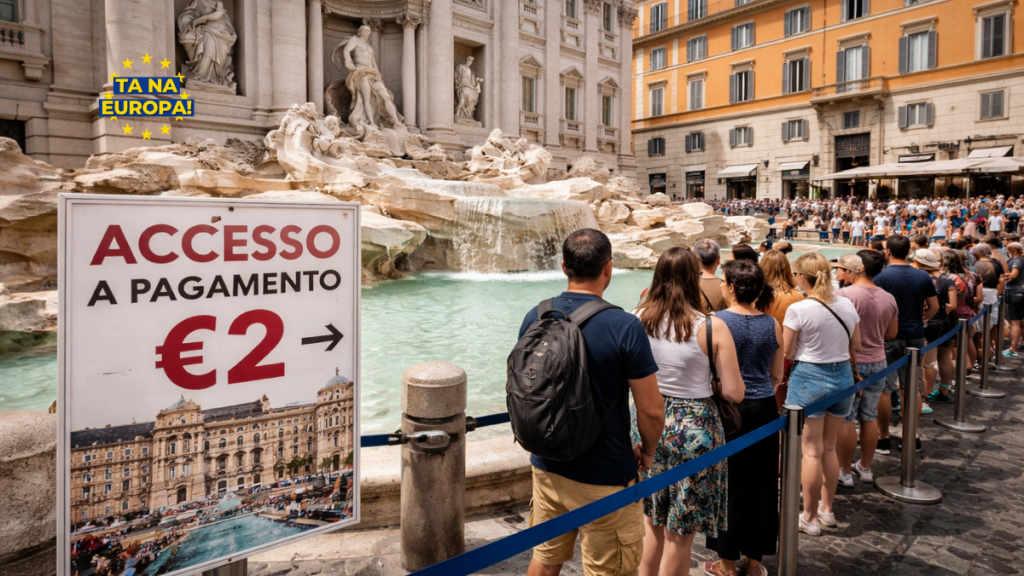
Rome introduced a 2 euro ticket for visitors who want close access to the Trevi Fountain basin on 2 February 2026. What looks like a small fee is part of a bigger change in how European cities manage tourism, public space, and cultural heritage. In this article, I explain what is happening, who is affected, how it impacts travel plans, and what this means for the future of tourism in Europe. I live in Ireland but I am originally from Sao Paulo. I am not a native English speaker, and I prefer to explain things in a simple and direct way. When I saw this news, I realized it is not just about 2 euro. It is about rules, costs, crowd control, and how cities are adapting to mass tourism. If you are planning to visit Italy, or if you are thinking about living or studying in Europe, this change matters more than it seems at first glance. Why Rome Introduced the 2 Euro Access Fee Rome receives millions of visitors every year. The Trevi Fountain is one of the most famous landmarks in the city. The tradition of throwing a coin into the fountain is known all over the world. Many people believe that if you throw a coin, you will return to Rome one day. Because of this tradition, the area is always crowded. The city government introduced a controlled access system to reduce overcrowding at the lower platform, the area closest to the water. The main square remains free. Anyone can still see the fountain without paying. However, if you want to go down to the basin level and toss a coin from the traditional spot, you need to buy a ticket during regulated hours, which currently run from 11:30 to 22:00 on Monday and Friday, and from 09:00 to 22:00 on the other days of the week. This decision is not only about money. It is about safety, preservation, and organization. When too many people gather in a small space, there is risk of accidents, damage to historical structures, and stress for local residents. European cities are under pressure to balance tourism income with quality of life. Who Is Affected and What Changes for Visitors The new rule mainly affects non residents who want close access to the fountain during controlled hours. The fee is 2 euro per person. Children under six and specific groups such as people with disabilities may be exempt according to municipal rules. If you only want to take photos from the square, you do not need to pay. The monument remains visible and accessible from public space. The ticket is specifically for the lower access area. This creates two types of experiences: At first, 2 euro seems insignificant. But think about families of four or five people. Think about travelers who visit multiple attractions in the same day. Small fees add up quickly. When you combine museum tickets, transport, food, and accommodation, every extra cost influences your travel budget. If you are researching travel costs in Europe, you may also want to read our detailed breakdown of living and visiting expenses in https://tanaeuropa.com/cost-of-living-in-europe/ where we compare daily expenses and hidden costs that many tourists forget to calculate. The Economic Logic Behind the Decision Cities like Rome invest heavily in cleaning, restoration, and security around historical sites. The Trevi Fountain is not only a tourist attraction. It is a heritage monument that requires constant maintenance. Every year, thousands of coins are collected from the water. That money is traditionally used for charitable and public purposes. However, managing crowds also requires staff, barriers, ticket systems, and monitoring. From an economic perspective, a 2 euro controlled entry can: When we talk about tourism in Europe, we often focus on beauty and history. But there is always an economic system behind it. Heritage sites are assets. They need funding. They need structure. If you are interested in how European tourism models affect local economies, we have explored similar dynamics in https://tanaeuropa.com/how-tourism-impacts-european-cities/ where we analyze revenue, taxes, and infrastructure pressure in major capitals. Overtourism in Europe and Why This Is Not an Isolated Case Rome is not alone. Venice has already tested visitor control systems. Other cities are studying tourist taxes, day visitor charges, and time slot bookings. Overtourism became a major discussion topic after travel rebounded strongly in recent years. Social media increases exposure. Cheap flights connect cities quickly. Remote workers travel longer and stay in central areas. All of this changes the dynamic of historic centers. The Trevi Fountain rule is part of a broader European pattern: For adults planning to move or spend long periods in Europe, these changes matter. Regulations can influence where you choose to live, how much you spend, and how easy it is to enjoy public spaces. You can read our practical visa guide at https://tanaeuropa.com/europe-visa-guide/ to understand how different European countries structure entry and residency rules. What This Means for Your Travel Budget in 2026 Let us think practically. If you visit Rome for three days, you will likely pay for: Now add small controlled access fees. Two euro here. Three euro there. Tourist tax per night. Transportation surcharges. It is not dramatic, but it changes your total cost. When planning travel in Europe, especially during high season, you must build a realistic budget. Many travelers underestimate daily expenses. They see flight prices and hotel deals but forget micro costs. Controlled entry systems like this make budgeting more precise and less spontaneous. If you are comparing travel costs across countries, we also analyzed salary levels and purchasing power in https://tanaeuropa.com/average-salary-in-europe-2026/ which helps you understand how locals experience these costs compared to visitors. Preservation Versus Accessibility – A Fair Trade Off Some people argue that cultural heritage should always remain free. Others say that controlled fees are necessary to preserve monuments. Is 2 euro a barrier? For most international travelers, probably not. But the principle matters. When a public space becomes partially regulated, it changes the feeling of
Is Switzerland’s 10 Million Cap Worth the Impact?
Switzerland will vote in June 2026 on a proposal to limit its population to 10 million people. At first glance, it may look like just a number written on paper. But behind this vote there are economic risks, migration rules, international agreements and real consequences that can affect workers, businesses and even other European countries. This is not just a local debate. It is a decision that can shape the direction of one of Europe’s strongest economies. Switzerland is known for stability, high salaries, strong infrastructure and a high quality of life. Many people around the world see it as a model country. So why would a country like this want to limit its own growth? What are the real fears behind this proposal? And what could actually change if this measure is approved by voters? Let’s slow down and understand the full picture step by step. Why Switzerland Is Voting on a Population Limit Now The proposal was launched by the Swiss People’s Party and gathered enough signatures to trigger a national referendum under Switzerland’s direct democracy system. The referendum is scheduled for June 14, 2026, according to official Swiss federal communications and major European media outlets. The mechanism is clear. If the population reaches 9.5 million, the federal government would be required to take action to slow growth. If it reaches 10 million, stronger measures could follow, including the renegotiation of international agreements that contribute to population increase, and only if negotiations fail could cancellation become a last resort measure. Switzerland currently has around 9.1 million residents. Almost 30 percent of them were born abroad, one of the highest shares in Europe. Over the last decades, migration has played a major role in the country’s economic expansion. Supporters of the cap argue that this growth is no longer sustainable. They mention housing shortages in major cities like Zurich and Geneva. They point to crowded trains during peak hours. They talk about environmental pressure and infrastructure limits. According to them, if nothing changes, the system may become overloaded in the long term. https://tanaeuropa.com/custo-de-vida-na-europa-o-que-esperar-entre-diferentes-paises/ Critics respond with a different argument. They say Switzerland’s prosperity is directly connected to openness and labor mobility. They believe that limiting population growth through strict migration control could harm the economy more than protect it. What Changes If the Population Cap Is Approved If voters approve the measure, Switzerland would need to adopt stricter migration policies to ensure the limit is respected. https://tanaeuropa.com/trabalhar-na-europa-como-estrangeiro-regras-vistos-e-oportunidades/ This could mean: Switzerland is not a member of the European Union, but it maintains bilateral agreements with the EU. One of the most important is the free movement of people agreement, which allows EU citizens to live and work in Switzerland with fewer restrictions compared to other non EU nationals. If the population cap forces Switzerland to limit EU migration, the country may have to renegotiate parts of this agreement, and only if negotiations fail could cancellation become a last resort measure. For companies in sectors like healthcare, engineering, construction and finance, foreign professionals are essential. If hiring becomes more complicated, businesses may face delays in projects, increased wage pressure and rising operational costs. When costs rise, they usually affect consumers and taxpayers as well. https://tanaeuropa.com/como-estrangeiros-sao-tributados-na-europa-regras-renda-e-obrigacoes/ Who Is Most Affected by This Proposal Foreign workers are clearly among the most affected groups. Switzerland depends heavily on skilled professionals from neighboring countries such as Germany, France and Italy. Many doctors in Swiss hospitals were trained abroad. Many engineers in major infrastructure projects are foreign nationals. The financial and technology sectors also rely on international talent. If migration flows are reduced significantly, companies may struggle to fill open positions. Labor shortages can lead to slower economic growth. For businesses, this can mean higher recruitment costs and possible relocation of operations. For the government, slower growth can translate into lower tax revenue. For local residents, the situation is complex. Some may experience less pressure on housing markets if demand slows down. Rental prices might stabilize in certain regions. However, if economic growth slows, job opportunities and wage growth could also be affected. Economic Impact and the Bigger European Context Switzerland has one of the highest GDP per capita levels in Europe. It is deeply integrated into European markets despite not being an EU member. The country exports pharmaceuticals, machinery, financial services and luxury goods. Its companies operate across borders. If agreements with the EU are affected, trade relations could become more complex. Investors prefer stability. When constitutional changes create uncertainty about future labor access and market agreements, investment decisions may slow down. There is also a demographic factor. Like many European countries, Switzerland faces an aging population. Life expectancy is high and birth rates are relatively low. A strong workforce is necessary to support retirees and public systems. If migration slows significantly, the working age population may not grow fast enough to balance demographic aging. This is why many economists argue that controlled migration is connected to long term fiscal sustainability. What Polls Say About the Referendum Recent opinion polls suggest that Swiss voters are divided. Support for the proposal has been reported close to 48 percent, with a significant portion of voters still undecided. This makes the final result uncertain. Switzerland has a history of close referendums. In 2014, a similar initiative related to immigration passed with a narrow margin, leading to negotiations with the European Union. This precedent adds tension to the 2026 vote. Business associations and many federal representatives have expressed concerns about the potential economic damage if the cap is approved. Supporters frame the proposal as a matter of sovereignty and democratic control. What This Means for Expats and Future Migrants If you are considering moving to Switzerland for work, this referendum is important. https://tanaeuropa.com/morar-na-europa-custos-documentos-e-o-que-realmente-muda/ A population cap could mean: Switzerland remains attractive because of high wages and strong public services. However, migration policies may become more selective. For European citizens benefiting from free movement rules, the referendum could introduce uncertainty regarding mobility and employment rights. https://tanaeuropa.com/tipos-de-visto-para-morar-na-irlanda-qual-escolher-em-cada-situacao/ Possible Future
The Safest Countries in Europe for Legal Stability

Moving to Europe is not only about getting a visa approved. It is about understanding if the country you choose will still offer the same rules, rights and protections five or ten years from now. In this article, I analyze which European countries offer stronger long term legal stability for foreigners, based on rule predictability, migration consistency, recent legislative updates and institutional strength. If you are planning your life, your family or your investments in Europe, this is what really matters. If you are still comparing entry routes, you may also want to read Working in Europe as a Foreigner: Rules, Visas and Opportunities, which explains the structural foundations before long term planning begins. Why Legal Stability Matters More Than a Simple Visa Many people search for how to get a visa. That is important, but it is only the first step. Migration rules can change. Governments can tighten requirements, increase income thresholds, adjust naturalization timelines or modify residency pathways due to political or economic pressure. If you plan to stay long term, instability creates risk. Risk affects: Families especially must evaluate how policy evolution impacts dependents. If you are moving with children or a partner, this detailed comparison may also help: Moving to Europe Alone vs With Family: Costs, Visas and What Changes. When I moved to Europe from São Paulo, I quickly understood that approval today does not guarantee security tomorrow. That is why legal stability is more strategic than just entry approval. What Defines Legal Stability in Immigration? Legal stability is not a marketing term. It can be evaluated using institutional and legal indicators that have been consistent over the past decade. Consistency of Immigration Policy Over 10 Years Countries that frequently reform migration laws without transition periods create uncertainty. Stable systems normally provide: Germany and Ireland, for example, typically introduce reforms through structured legislative processes rather than sudden administrative decrees. However, both countries have implemented recent changes that show that stability does not mean absence of reform. In late 2025, Ireland adjusted elements of its immigration and citizenship framework, including stricter conditions related to long term residence and family reunification. Germany also revised aspects of its citizenship acceleration policies in 2025, demonstrating that even highly institutionalized systems evolve according to political cycles. The key difference is that these reforms were debated publicly and implemented through legal channels. Judicial Protection and Rule of Law Strength Strong court systems protect residents when administrative decisions are unfair. Countries that consistently rank high in rule of law indicators tend to provide stronger legal recourse against arbitrary decisions. Northern and Western European countries traditionally score higher in global rule of law indexes. This means government decisions can be legally challenged and administrative errors can be reviewed in independent courts. If you plan to invest, buy property or build a company, this layer of protection becomes essential. Understanding financial infrastructure is also critical, and this guide may support that analysis: Opening a Bank Account in Europe: What Foreigners Need to Know. Path to Permanent Residency and Citizenship A stable country offers clear timelines and documented criteria for long term residence and nationality. For those evaluating nationality strategies, citizenship frameworks differ significantly. A deeper analysis is available here: Italian Citizenship 2025: What Changes and What You Need to Know. When eligibility rules are clearly published and administratively consistent, long term planning becomes realistic. Top European Countries for Long Term Legal Predictability Now let us analyze countries that combine economic strength, institutional stability, documented reform processes and migration clarity. Germany – Structured and Institutionalized Germany has one of the most structured immigration systems in Europe. Although rules are detailed and sometimes complex, they are codified and transparent. Legislative changes are typically introduced through parliamentary debate and accompanied by official guidance. Recent updates in skilled migration and citizenship rules illustrate that reform happens, but within a defined legal framework. Key strengths: For professionals comparing relocation destinations, cost structures also influence long term stability. You may compare broader living expenses here: Discover the 10 Cheapest Countries to Live in Europe. Ireland – Organized but Sensitive to Political Pressure Ireland has become attractive for skilled workers and international students. The country operates under common law with judicial oversight and written administrative guidance. However, in 2025, the government introduced tighter controls in certain immigration areas, including adjustments affecting citizenship timelines and family related criteria. These changes were processed through legislative channels, which preserves institutional credibility, but they show that Ireland can adjust policy when demographic and housing pressures increase. This does not eliminate stability. It means that long term planners must monitor policy evolution regularly rather than assuming permanent conditions. Portugal – Legally Structured with Policy Shifts Portugal historically offered accessible residence programs, especially linked to investment and remote work. However, changes implemented after 2023 significantly altered residence by property investment schemes. The legal framework remains clear and constitutional protections remain strong. The main risk factor is political influence over specific programs rather than institutional weakness. Investors should differentiate between structural stability and program specific volatility. The Netherlands – Administrative Transparency and EU Alignment The Dutch system is known for administrative clarity. Residence rights are clearly categorized and digital systems are highly organized. Reforms occur, but generally include transition rules and detailed implementation guidelines. For corporate professionals, researchers and skilled workers, long term predictability is solid, particularly because the Netherlands aligns closely with EU regulatory standards. Countries With Higher Regulatory Volatility Some European countries experience faster political shifts that can influence migration programs. While still democratic and protected by EU law, the frequency of program adjustments may be higher in certain Southern or Eastern regions. Volatility does not equal insecurity, but it increases planning complexity for those seeking 5 to 10 year horizons. How EU Membership Influences Legal Security European Union membership adds a legal layer that restricts extreme national decisions. EU directives and court decisions influence national migration frameworks. However, third country immigration policy remains largely national competence. Stability varies even within the EU. Countries with
Europe for High Earners: Where Taxes Hurt Less Today

In this article, I analyze how different European tax systems affect high-income professionals, remote executives and entrepreneurs, and why some countries can offer more real financial advantage than others when income grows. For many people, Europe is about lifestyle, safety and culture. But when income reaches a higher level, taxes start to matter much more. The question is no longer only where to live well. It becomes where you can keep more of what you earn, without losing access to strong public services and long-term stability. That is where strategic tax positioning inside Europe becomes relevant. As someone from São Paulo living in Ireland and writing in simple English, I try to look at this topic in a practical way. Not as a basic tax guide, but as a comparison of real models. Because when income increases, small percentage differences can mean thousands of euros every year. The European Tax Landscape: What Changes for High Earners Europe is not a single tax system. Each country defines its own income tax rates, social contributions and wealth rules. For high earners, these differences are not marginal. They are structural. In general, European countries apply progressive taxation. This means the more you earn, the higher your marginal rate. In countries like Germany and France, top marginal income tax rates can go above 45 percent. When social contributions are included, the effective burden can approach or exceed 50 percent in some cases. But this is not the full story. Some countries apply special regimes for foreign professionals, executives or remote workers. Portugal had its Non-Habitual Resident regime, which was closed to new applicants and replaced with transitional and more restricted incentive structures. Italy offers flat tax incentives for new residents with high global income. Greece and Spain have specific programs for inbound talent. The Netherlands applies the 30 percent ruling for skilled migrants, although transitional adjustments and future reductions to the percentage have already been legislated, making long-term projections essential. These regimes are not basic tax tricks. They are policy tools designed to attract capital and talent. If you already read our analysis about remote work trends in Europe, you know that mobility is now a strategic decision. For high earners, this mobility can also mean tax optimization. You can also explore https://tanaeuropa.com/descubra-os-10-paises-mais-baratos-para-morar-na-europa-em-2024-custos-de-aluguel-e-salarios/ to compare how cost of living interacts with tax pressure. Progressive vs Flat Systems: Where the Impact Is Stronger To understand where taxes hurt less, we need to look at models. There are three broad approaches in Europe: Countries like Denmark and Belgium are known for high marginal rates. The argument is simple: high taxes finance universal healthcare, education, social security and infrastructure. For someone earning 80,000 euros per year, this might feel heavy but manageable. For someone earning 250,000 or more, the impact is significant. In contrast, countries like Bulgaria apply flat income tax around 10 percent. That is dramatically lower. But public services and economic environment are different. The question becomes: is the lower tax enough to compensate for weaker institutional benefits? For executives and entrepreneurs, the decision is not only about percentages. It is about the full ecosystem. Who Is Really Affected: Executives, Remote Workers, Founders High-income professionals are not all the same. A corporate executive on payroll faces different rules than a digital entrepreneur with global clients. Corporate executives usually pay standard income tax and social contributions. Their room for planning is limited, unless the country offers expat regimes. Remote workers and consultants may structure income through companies. In this case, corporate tax rates also matter. Ireland, for example, maintains a 12.5 percent corporate tax rate for most trading income, while larger multinational groups may fall under a 15 percent effective rate framework aligned with international minimum tax rules. This is one reason why many businesses choose to incorporate there. If you are building a company or offering services across borders, it is useful to compare this with our article about studying and working in Europe. Career decisions and tax positioning often connect over time. Another useful comparison is https://tanaeuropa.com/as-melhores-cidades-da-europa-para-estudar-e-trabalhar-em-2025-vao-te-surpreender/ which helps connect salary potential with taxation impact. Entrepreneurs also need to consider dividend taxation. In some countries, corporate tax is low but dividends are taxed heavily. In others, combined corporate and dividend burden remains competitive. Strategic Tax Positioning: Legal, Transparent and Planned When we talk about strategic tax positioning, we are not talking about hiding income. We are talking about choosing residency and structure in a legal way. Key elements to compare include: France applies a real estate wealth tax focused on property assets, while Spain maintains wealth taxation mechanisms under specific thresholds and regional rules. Switzerland applies cantonal variation, which can be attractive in some regions. Italy offers a substitute flat tax regime for new residents with foreign income. As of 2026, the annual substitute amount was increased compared to the original structure, and applicants must carefully review updated eligibility and transition rules before planning relocation. This is not for everyone. But for someone earning several hundred thousand euros per year, these differences change long-term wealth accumulation. It is important to also evaluate compliance costs. High earners often need tax advisors, accounting firms and legal support. The complexity itself creates demand for professional services. Benefits Matter More Than You Think Some people focus only on tax rates. But benefits also matter. In Northern Europe, high taxes finance strong public healthcare and education. For families, this can reduce private expenses significantly. In countries with lower tax but weaker public systems, you may pay less tax but spend more on private insurance, international schools and other services. So the real comparison is net disposable income after all costs. For example: The difference is not only what the state takes. It is what you still need to pay privately. Remote Work and Tax Residency: The Hidden Risk Remote work created flexibility, but also new risks. Many professionals assume they can live in one country and pay tax in another. In practice, tax residency rules are strict. Most
Studying in Smaller European Countries Pays Off

Studying in Europe is often linked to big names like the UK, Germany or France. But many students ignore smaller countries that offer strong universities, lower costs and real opportunities after graduation. In this article, I explore why Estonia, Slovenia, Malta, Lithuania and Latvia can be smart choices if you are planning to study abroad and want better value for your money. If you are also comparing general living expenses across the continent, you may want to check this detailed breakdown of affordable destinations in Europe: https://tanaeuropa.com/descubra-os-10-paises-mais-baratos-para-morar-na-europa-em-2024-custos-de-aluguel-e-salarios/ Why Smaller European Countries Are Gaining Attention When people search for study abroad options, they usually focus on large economies. The problem is simple: higher competition, higher tuition fees and rising living costs. In countries like the United Kingdom, tuition alone can go above 15,000 euros per year for international students, depending on the university and the program. But what happens if you look beyond the obvious? Countries like Estonia and Lithuania have invested heavily in digital infrastructure and modern universities. Slovenia and Latvia offer respected public institutions with competitive tuition structures. Malta, despite being small, has strong English-speaking programs and a growing private education sector. The question is not whether these countries are good. The real question is why so many students still ignore them. If you want to understand how student visa rules differ across Europe, this guide can help you compare procedures and documentation requirements: https://tanaeuropa.com/como-funciona-o-visto-de-estudante-na-europa-regras-e-dicas/ What Makes These Countries Different From UK or Germany The biggest difference is cost structure and market pressure. In Germany, public universities may charge low or no tuition for certain groups, but living costs in cities like Berlin or Munich are high and continue to rise. In the UK, both tuition and housing are expensive. France also has increasing living expenses in major cities. In smaller countries, the balance is different. For example, in Estonia, non EU tuition fees in public universities often range from around 3,000 euros to above 6,000 euros per year depending on the program. In Lithuania and Latvia, bachelor and master programs can start below 3,000 euros in some fields but may also reach higher values in areas like medicine or dentistry. Slovenia offers public education with varied tuition depending on degree level and faculty. Malta’s private colleges may cost more in some cases, but living expenses are often still below those of major UK cities. If you are comparing total annual cost, not just tuition, the numbers become more realistic and more interesting. For a broader comparison between education costs and average salaries across Europe, you can explore this analysis: https://tanaeuropa.com/comparativo-taxa-de-educacao-superior-e-salario-medio-na-europa/ Tuition Fees: What Nobody Explains Clearly Many students only look at tuition. That is a mistake. The real cost of studying abroad includes: In countries like Latvia and Lithuania, tuition for business or IT programs can fall within the 2,500 to 6,000 euros range, depending on the institution. In Estonia, many programs are positioned between mid and upper four digit annual fees. Slovenia and Malta also present wide ranges depending on course and degree level. Now compare that with UK private tuition, which can easily go above 15,000 euros per year and may reach significantly higher amounts for certain courses. Even if you add living costs, smaller countries can remain financially competitive overall. To understand student living expenses in more detail, this cost of living guide for European cities provides additional context: https://tanaeuropa.com/guia-de-custos-de-vida-em-cidades-europeias-para-estudantes/ This cost advantage increases your chances of staying longer without financial stress. And that matters a lot for international students who depend on careful budget planning. Health Insurance and Visa Rules: What Actually Applies Another hidden factor is regulation. In many smaller European countries, student residence processes are structured and transparent, but they are not necessarily simpler. Each country has its own requirements, proof of funds and insurance rules. In Estonia, international students can work during their studies without a strict hourly limit, as long as work does not interfere with academic progress. In Latvia, students typically face limits during the academic term, often around 20 hours per week, with more flexibility during holidays. Slovenia allows student work under specific frameworks linked to student status. Malta permits part time work during studies under defined conditions. Health insurance is mandatory across Europe. Baltic countries and Slovenia usually require either local public insurance registration or private coverage that meets national standards. Malta also requires valid insurance, and many institutions guide students through this process. Lower population size does not automatically mean faster processing times. Timelines depend on nationality, demand and documentation quality. Employment Opportunities After Graduation Studying is not just about the degree. It is about what comes next. Estonia is known for its technology driven environment and digital economy. Lithuania has a growing fintech and shared services sector. Latvia continues to develop in logistics and IT services. Slovenia has a stable economy inside the European Union framework. Malta has strong sectors in tourism, financial services and gaming. Post study residence options exist in different formats depending on the country. In many cases, graduates may apply to change their residence status if they secure a job offer that meets national salary or qualification requirements. Because these markets are smaller, job opportunities are also smaller in absolute numbers. Competition may be lower in some niches, but it can also be intense in limited sectors. This is a trade off that students must consider carefully. If your goal is to remain in Europe after graduation, this overview of employment pathways can give you more strategic insight: https://tanaeuropa.com/emprego-apos-estudos-na-europa-melhores-paises-para-trabalhar/ So the real question becomes strategic: would you rather compete in a very large and saturated capital, or explore a smaller but potentially less crowded professional ecosystem? Cost of Living: The Hidden Multiplier Living costs directly affect financial stability. In cities like Tallinn, Riga, Vilnius or Ljubljana, rent for a student room is often lower than in Dublin, London or Paris, although prices can vary significantly depending on location and housing type. Malta can be more expensive in tourist areas, but
Banking Red Flags in Europe: Risks for Foreigners Today
If you are moving to Europe or have recently arrived, banking can look simple at first. Open an account, receive your salary, pay rent, and move on. But what many new residents do not realize is that European banks operate under very strict compliance and reporting systems. Accounts can be frozen, transactions can be blocked, and funds can be questioned. This article explains the real risks, what changes for foreigners, and what nobody clearly tells you at the beginning. If you are still at the planning stage, you may also want to understand how banking works from the beginning in Europe: Opening a Bank Account in Europe: What Foreigners Need to Know. Why European Banks Are Stricter Than You Think European financial institutions operate under strong anti money laundering rules, tax transparency laws, and cross border reporting systems. This means that banks are not only protecting themselves. They are protecting the financial system. For new residents, especially non EU citizens, this creates a higher level of scrutiny. Banks are required to: It sounds technical, but in practice it can directly affect your daily life. Many people believe that if the money is legal, there is nothing to worry about. That is not always how it works in reality. Your financial structure must also match your real cost of living. If you are unsure about average expenses across countries, this comparison can help you understand expected income and spending levels: How Much It Costs to Live in Europe: Main Expenses by Country. Frozen Accounts: What Triggers Them and Why It Happens One of the most serious red flags in Europe is a frozen bank account. A frozen account means you cannot access your money. You cannot transfer funds. Sometimes you cannot even withdraw cash. Common Triggers for Account Freezes Banks may freeze accounts due to: For example, if you move to Ireland or Germany and suddenly receive a large transfer from outside the EU, the bank may ask for documentation. If you cannot provide clear proof quickly, the account may be restricted. This is not personal. It is compliance. If you are moving based on salary expectations, understanding wage levels across countries can reduce inconsistencies between declared income and banking activity. See: Discover the 10 Most Affordable Countries to Live in Europe. How Long Can a Freeze Last? There is no fixed timeline. It can take: During this time, rent, bills, and daily expenses continue. This is why understanding the risks before it happens is essential. Compliance Checks: The Silent Monitoring System Many foreigners underestimate compliance checks. Banks continuously monitor accounts using automated systems. These systems flag patterns, not intentions. What Is Considered Unusual Activity? Examples include: If you are working remotely or across borders, you may also want to understand which countries offer better financial and tax balance: Best European Countries for Remote Work and Digital Nomads. The key issue is consistency. If your bank sees income patterns that do not match your declared activity, questions will follow. And sometimes, transactions may be restricted while clarification is requested. Proof of Funds: More Than Just a Bank Statement Many new residents believe that showing a bank balance is enough. In Europe, proof of funds often requires documentation that explains where the money came from. Situations Where Proof Is Required You may need to prove source of funds when: Proof can include: Without these documents, transactions may be delayed or denied. If you are still planning relocation, understanding legal entry rules can help align income and financial declarations properly: Rules for Living in Europe: How It Works for Foreigners. Tax Reporting Traps: What Foreigners Often Miss Europe has strong tax reporting systems. There are automatic exchange agreements between countries. Information does not stay local. Many newcomers think they are taxed only in one country. But sometimes, you may be subject to reporting in more than one jurisdiction. If you: you may trigger reporting obligations. Failure to declare properly can result in: Professional advice is often necessary when dealing with cross border tax structures. Fintech vs Traditional Banks: Is One Safer? Many foreigners choose digital institutions because they are easier to open. But easier does not mean less regulated. Fintech companies in Europe are also subject to strict compliance rules. In some situations, digital institutions may apply automated monitoring systems that temporarily restrict transactions while reviews are conducted. This does not mean they are stricter by rule, but their systems can react quickly when patterns are flagged. Before choosing a provider, consider: Understanding the structure helps reduce risk. Remittances: Sending Money Abroad Without Problems Sending money home is common for new residents. But frequent remittances may raise questions. Especially when: Banks may interpret this as structured activity under compliance monitoring rules. Even if your intention is simple family support, the system evaluates patterns. Keeping documentation helps: Transparency protects you. What Nobody Clearly Tells You Before You Move When people move to Europe, they focus on rent, visa, salary, and job market. Very few talk about financial system risk. European banks prioritize compliance and regulatory obligations over convenience. If there is doubt or missing documentation, transactions may be restricted while clarification is requested. For new residents, the best strategy is prevention. How to Protect Yourself as a New Resident Silence can escalate a small review into a full restriction. The Economic Logic Behind These Rules Financial transparency in Europe is linked to anti money laundering policies, sanctions enforcement, tax fairness, and overall financial stability. This is not only about individuals. It is about the system. For foreigners, understanding this bigger picture changes how you manage your finances. It is not about fear. It is about awareness. Future Outlook: Will Banking Become Even Stricter? The trend suggests yes. Digital monitoring tools are becoming more advanced. Artificial intelligence is increasingly used to detect suspicious patterns. Cross border data sharing continues to expand. This means more transparency, faster detection, and stricter enforcement. Financial literacy is no longer optional. It is essential. Conclusion of Ta Na Europa!
Private Health Insurance in Europe Gaps and Risks Today

In many European countries, public healthcare is structured, regulated, and funded through taxes or mandatory contributions. It works well in emergency situations and remains one of the strongest pillars of European social systems. However, for many expats already living in Europe, daily reality can feel more complex. Waiting times in specific sectors, partial coverage in certain services, and language barriers can create practical limitations. This article explores where the public system may not be enough, what actually changes in practice, and why private health insurance is increasingly seen as a strategic complement across Europe. I live in Europe and I am not a native English speaker. I see how the system works in real life, not only in official reports. Public healthcare is valuable and essential. But access does not always mean speed or flexibility. And when your income, your residence status, and your family stability depend on your health, those details matter. If you already live in Europe and rely only on the public system, this analysis may help you understand risks and opportunities that are rarely explained in depth. If you want to understand how healthcare connects with cost of living and relocation planning, you can also explore https://tanaeuropa.com/descubra-os-10-paises-mais-baratos-para-morar-na-europa-em-2024-custos-de-aluguel-e-salarios/ and https://tanaeuropa.com/sistema-de-saude-publico-e-privado-na-europa-o-que-estrangeiros-precisam-saber/, which expand the financial and structural perspective for expats. How Public Healthcare Is Structured Across Europe Public healthcare systems in Europe are mainly funded by taxes or mandatory social contributions. Each country has its own structure, but the general model is similar: residents contribute through employment or taxation and gain access to essential medical services. In Ireland, eligibility may depend on income level and residency status. In Germany, statutory health insurance is mandatory for most employees, with income-based contributions. In France, social security contributions fund a broad public reimbursement system. Spain and Portugal also provide public hospital access after proper registration. These systems are strong in emergency care. If you have a serious accident, you will receive treatment. However, outside emergencies, prioritization rules apply. Urgent cases are treated first. Non-urgent procedures, specialist consultations, and elective surgeries may involve waiting periods depending on region and demand. It is important to clarify that waiting times vary significantly by country and even by city. In some regions of Germany and parts of France, access to specialists can be relatively fast. In other systems under higher pressure, delays may be longer. The European landscape is not uniform. Waiting Times: A Structural Challenge in Some Systems Waiting time remains one of the most discussed structural challenges in certain European public healthcare systems. In some countries and regions, specialist appointments may take weeks or months. Elective surgeries can be postponed depending on hospital capacity. Diagnostic exams such as MRI or CT scans may face delays when demand exceeds available infrastructure. However, it would not be accurate to state that all European countries face the same level of delay. Germany, for example, often shows shorter waiting times for many procedures compared to more strained systems. Ireland and the United Kingdom have historically faced more public discussion regarding waiting lists, although reforms and capacity programs have been implemented to reduce delays. For someone employed full-time, even moderate delays can create indirect financial pressure. Time away from work, reduced productivity, and uncertainty may translate into economic impact. Private insurance can reduce waiting periods in many cases by granting access to private hospitals or faster specialist scheduling. For expats without extended family support nearby, this difference may affect not only comfort but stability. Coverage Gaps: Where Public Care May Be Limited Public systems focus primarily on essential and medically necessary care. Nevertheless, several areas may involve partial reimbursement or limited availability depending on country: Dental coverage is one of the most common gaps. In many European countries, routine dental care is only partially reimbursed or not included in full public coverage. Mental health services are available in public systems, but access speed can vary by region. In some areas, waiting periods for non-urgent psychological support may be longer than desired. This does not mean services are absent, but capacity can be limited. Without complementary private insurance, out-of-pocket costs for private consultations may range widely depending on country. In Western Europe, a private specialist consultation may cost between approximately 80 and 300 euros. Advanced imaging tests may range from a few hundred euros upward, depending on complexity and location. Costs vary significantly by country, so any evaluation must be contextualized. Spain, for example, may present lower average private insurance premiums compared to some Northern European markets. Germany and France operate under different reimbursement logics. Therefore, comparisons must be country-specific. If you want to compare broader financial structures across countries, you may also find relevant analysis in https://tanaeuropa.com/impostos-na-europa-comparacao-entre-paises/ and https://tanaeuropa.com/quanto-se-ganha-na-europa-salarios-medios-por-pais/, which complement the economic dimension of healthcare decisions. Language Barriers and Administrative Complexity For expats, communication is a practical factor. In many public hospitals across Europe, professionals may speak English, especially in major cities. However, this is not guaranteed in all regions. Administrative procedures, medical documentation, and follow-up instructions are often issued in the local language. Explaining symptoms in a second language can increase stress and the possibility of misunderstanding. This is not necessarily a systemic flaw, but a practical challenge for foreign residents. Private hospitals and clinics in metropolitan areas frequently offer multilingual services. Some private plans emphasize access to English-speaking professionals. For expats who prioritize clarity in communication, this may represent added value. Public vs Private: Practical Differences in Access and Flexibility Private health insurance is often perceived as a premium or luxury product. In reality, for many expats it functions as a complement to the public system. With private insurance, you may gain: In several countries, residents combine public and private systems. They continue contributing to the public structure while using private coverage for specific services. This hybrid model is common in Ireland, France, Portugal, and other parts of Europe. Germany offers a more structured distinction between statutory and private insurance depending on income level. In France, complementary insurance is frequently used to cover co-payments
Sending Money Within Europe vs Outside Europe: Costs and Best Practices

Moving money sounds simple, but the rules, costs, and risks change a lot depending on where the money is going. Sending money inside Europe is very different from sending money to countries outside Europe, and many people only realize this after losing money on fees, bad exchange rates, or delays. This article explains what really changes, who is affected, and what usually works best in practice. I live in Europe and write from personal experience, not as a bank expert or native English speaker. The goal here is clarity. Simple words, real comparisons, and practical decisions that matter in daily life. Understanding the Basics of Money Transfers in Europe Europe has a unique financial structure that makes transfers between European countries easier and cheaper than many people expect. This is not accidental. It is the result of shared systems, common rules, and strong regulation. What Makes Intra-Europe Transfers Different Most European countries use the SEPA system. SEPA allows transfers between bank accounts in different countries as if they were domestic payments. In practice, this means low or zero fees and fast processing. If you send money from Ireland to Germany, Spain, or France using a SEPA transfer, the experience is often similar to sending money within the same country. This is a big advantage for anyone living, working, or studying in Europe. Who Benefits Most From SEPA Transfers For this group, understanding SEPA is essential. Many still use international transfers without knowing a cheaper option exists. Costs of Sending Money Inside Europe In most cases, SEPA transfers are free or cost very little. Traditional banks may charge small fixed fees, but digital banks often offer them for free. The main cost inside Europe is usually not the transfer itself, but currency conversion when the countries use different currencies. Currency Conversion Inside Europe Even inside Europe, not all countries use the euro. When money moves between different currencies, banks apply exchange rates, and this is where hidden costs appear. Traditional banks often add a margin to the exchange rate. This margin is not always visible, but it can be expensive over time. Fintech platforms became popular mainly because they reduced this hidden cost. Sending Money Outside Europe: What Changes Completely Once money leaves Europe, the rules change. Transfers become slower, more expensive, and less predictable. Why International Transfers Cost More Transfers outside Europe usually go through multiple intermediary banks. Each intermediary can charge a fee. These fees are often not known in advance. In addition, exchange rates become less favorable, especially when banks convert money multiple times. Common Problems With Global Transfers These problems affect both individuals and businesses. Small amounts suffer the most, because fixed fees represent a larger percentage of the transfer. Comparing Wise, Revolut, and Traditional Banks Choosing the right service depends on where the money goes and how often you send it. Wise: Transparency and Real Exchange Rates Wise is designed for international transfers. It uses real exchange rates and shows fees clearly before you send money. For transfers outside Europe, Wise often costs less than traditional banks. It is also popular for people paid in one currency and spending in another. Wise is often compared in articles like the banking guides already published on tanaeuropa.com, especially for people opening their first European bank account. Revolut: Strong Inside Europe, Mixed Outside Revolut works very well for transfers inside Europe and for everyday spending. For international transfers, it can still be competitive, but costs may depend on your plan. For people living in Europe, Revolut often complements a traditional bank account rather than replacing it fully. Traditional Banks: Stability With Higher Costs Traditional banks offer security and strong regulation. However, they are usually the most expensive option for transfers outside Europe. They may still make sense for very large amounts or when legal documentation is required, but for daily transfers, they are often not the best choice. Real Cost Comparison: Europe vs Non-Europe Transfers Sending 1,000 euros inside Europe using SEPA may cost nothing or just a few euros. Sending the same amount to a non-European country may cost: The final cost can be surprisingly high. Who Is Most Affected by These Costs For this group, choosing the wrong method repeatedly can cost thousands over time. Best Practices for Sending Money Inside Europe Best Practices for Sending Money Outside Europe Legal and Compliance Considerations Large transfers may trigger checks, especially outside Europe. This is normal and part of anti-money rules. Future Trends in Cross-Border Transfers Europe continues to push for faster and cheaper payments. Instant SEPA transfers are now a regulatory standard across the euro area, not just an expansion trend. Globally, fintech competition is slowly reducing costs, but differences between regions remain large. Conclusion of Ta Na Europa! Sending money inside Europe is usually simple, fast, and cheap if you use the right tools. Sending money outside Europe is more complex and requires attention to fees, exchange rates, and timing. Understanding these differences protects your money and gives you more control over your financial life. New EU rules make instant euro payments faster and safer – https://finance.ec.europa.eu/news/new-eu-rules-make-instant-euro-payments-faster-and-safer-2025-10-10_en 5 cross-border payment trends set to mature in 2026 – https://wise.com/gb/blog/cross-border-payments-trends-2026 Payments, transfers and cheques in the EU – https://europa.eu/youreurope/citizens/consumers/financial-products-and-services/payments-transfers-cheques/index_en.htm
How Foreigners Are Taxed in Europe: Residency, Worldwide Income Rules

Living or investing in Europe often comes with a surprise that many people only discover after receiving their first tax letter: taxes here are not based only on where you earn money, but also on where you live. Many people only start to understand this difference after researching broader cost, salary, and lifestyle comparisons across Europe, such as those discussed here: https://tanaeuropa.com/descubra-os-10-paises-mais-baratos-para-morar-na-europa-em-2024-custos-de-aluguel-e-salarios/. For foreigners, this can mean reporting income from different countries, even if the money never touches a European bank account. This article explains how taxation works for foreigners across Europe, what tax residency really means, and the obligations that many people underestimate. Understanding Tax Residency in Europe and Why It Matters Tax residency is the foundation of how you are taxed in Europe. It does not depend on your passport. It depends on where your life is centered. In most European countries, you become a tax resident if you: Once you are considered a tax resident, your tax obligations usually expand far beyond local income. This is where many foreigners get caught off guard. What Worldwide Income Really Means for Foreigners Worldwide income means exactly what it sounds like. If you are a tax resident in a European country, you are usually required to declare income earned anywhere in the world. This can include: Many people assume that if the money stays abroad, it does not matter. That assumption is one of the most common and costly mistakes. Country Examples: How Rules Differ Across Europe While the concept of worldwide income is common across Europe, the details vary by country. IrelandIreland taxes residents on worldwide income, but it also applies the remittance basis for certain non-domiciled individuals. This can reduce tax exposure in specific situations, especially for newcomers. Misunderstanding this rule is common among expats moving to Ireland for work. PortugalPortugal has long attracted foreigners due to special tax regimes. However, the original Non-Habitual Resident regime is now closed to new applicants and has been replaced by more limited incentive-based tax frameworks. Even with these changes, tax residency still brings worldwide income into scope. Many retirees and remote workers underestimate how reporting rules apply to pensions and investments abroad. GermanyGermany applies strict worldwide taxation once residency is established. Bank accounts, foreign income, and even small side activities must be declared. Penalties for mistakes can be significant. SpainSpain combines worldwide taxation with strong reporting obligations. Foreign asset declarations are a known pain point for new residents and often require professional support. Double Taxation Agreements and Why They Do Not Eliminate Taxes Many people believe that double taxation treaties mean they will not pay tax twice. This is only partially true. These agreements usually: They do not mean you can avoid reporting income. In most cases, you still must declare everything and then apply the treaty rules. Common Mistakes Foreigners Make With Taxes in Europe Across Europe, the same errors appear again and again: These mistakes often lead to fines, stress, and unexpected bills. Taxes, Salaries, and Real Net Income Before choosing a country, many foreigners look only at gross salary figures. A more realistic comparison between countries requires understanding local taxes, social contributions, and everyday expenses, a topic also explored in this related article: https://tanaeuropa.com/como-funciona-o-sistema-de-impostos-na-europa-para-estrangeiros** Gross salary numbers in Europe can look attractive, but taxes change the picture quickly. Income tax, social contributions, and local charges vary widely. Understanding your real net income is essential before relocating or investing. This becomes even more important for those planning to study or retrain in Europe while working part time or remotely, as explained in: https://tanaeuropa.com/estudar-na-europa-custos-regras-e-o-que-muda-para-estrangeiros This is especially important for people comparing countries or planning long-term moves. Future Trends: More Transparency, More Reporting This broader trend also connects with long term planning decisions, such as choosing where to settle permanently or build a career in Europe, topics frequently discussed in comparative guides like: https://tanaeuropa.com/vale-a-pena-morar-na-europa-vantagens-desafios-e-realidade** Europe is moving toward stronger tax transparency. Automatic exchange of financial information between many countries, especially across Europe and major financial centres, is now standard This means foreign income is increasingly visible to tax authorities. For foreigners, this trend makes proper planning more important than ever. Hoping to stay under the radar is no longer a realistic strategy. Who Should Seek Professional Help If you are: Professional tax advice is not optional. It is a form of financial protection. This is especially true for people combining work, study, and residence across different European countries, a situation increasingly common among foreigners living in Europe. Sources and references: Income taxes abroad – European Union guidance – https://europa.eu/youreurope/citizens/work/taxes/income-taxes-abroad/index_en.htm Tax residence rules in Ireland – Irish Revenue – https://www.revenue.ie/en/jobs-and-pensions/tax-residence/resident-for-tax-purposes.aspx Worldwide taxation of residents in Germany – Federal overview – https://www.bundesfinanzministerium.de/Content/EN/Standardartikel/Topics/Taxation/Articles/tax-residence.html ** Taxes in Europe are not simple, especially for foreigners. Tax residency and worldwide income rules affect more people than most expect. Understanding these rules early can save money, time, and serious legal trouble later. Planning correctly is not about avoiding taxes, but about paying the right amount, in the right place, at the right time.
Public vs Private Healthcare in Europe: What Foreigners Should Know

Living in Europe often comes with the expectation of strong healthcare systems.But when you look closer, public and private healthcare work very differently depending on where you live, your legal status, and your long-term plans.This article explains how healthcare really works across Europe, who qualifies for public care, when private insurance makes sense, and what foreigners should understand before making decisions that affect both health and money. Foreigners planning a move often compare healthcare quality alongside other practical factors such as cost of living and salaries, a topic frequently explored when analysing life across different European countries. Understanding Public Healthcare Systems Across Europe Most European countries operate public healthcare systems designed to offer universal or near-universal access to essential medical services.These systems are usually funded through taxes or mandatory social contributions and aim to ensure that residents can access healthcare without facing high direct costs at the moment of care. However, universal does not always mean identical access in every country.Coverage rules, waiting times, co-payments, and eligibility conditions vary widely across the European Union. In general, public healthcare systems across Europe follow two main models.Some countries rely on tax-funded national health services, while others use social insurance systems managed through multiple public or semi-public funds.Both models aim to guarantee access, but the experience for patients can feel very different depending on where they live. Understanding how these systems work is especially important for people relocating for work and evaluating long-term quality of life in Europe. https://tanaeuropa.com/is-europe-a-good-place-to-live-pros-cons-and-real-expectations Who Qualifies for Public Healthcare Access to public healthcare in Europe is usually linked to legal residence, employment, or formal registration with local authorities.EU citizens moving within the EU often rely on coordination rules that allow temporary or transitional coverage, but long-term residence usually requires registration in the host country’s system. For non-EU nationals, access is typically conditional.In many countries, you only qualify for public healthcare after starting work, paying social contributions, or obtaining a residence permit that includes healthcare rights.Until then, private health insurance is often required. This distinction is critical.Many foreigners assume that simply living in Europe guarantees public healthcare access, which is not always true. People still deciding where to settle often compare healthcare rules together with immigration and residency conditions. https://tanaeuropa.com/vale-a-pena-morar-na-europa-analise-realista-para-estrangeiros What Public Healthcare Usually Covers Public healthcare in Europe generally includes access to general practitioners, hospital care, emergency treatment, maternity services, and partially subsidised medications.That said, many systems include co-payments for prescriptions, specialist visits, or non-urgent services. Public healthcare is designed to provide safety and essential care, not necessarily speed or flexibility.This becomes more visible when demand is high and resources are limited. Healthcare access often plays a major role when comparing monthly expenses across Europe. https://tanaeuropa.com/custo-de-vida-na-europa-em-2025-paises-mais-caros-e-mais-baratos How Private Healthcare Works in Europe Private healthcare exists alongside public systems in almost every European country.It does not replace public healthcare, but it often complements it. Private healthcare typically requires either private insurance or direct payment.Costs vary significantly by country, age, coverage level, and medical history. In today’s European market, basic private health insurance for adults commonly starts around €50 per month and can easily reach €100 or more depending on coverage and country.Plans offering broader access, shorter waiting times, or additional services usually cost more. For many foreigners, healthcare costs are analysed together with broader financial planning. https://tanaeuropa.com/estudar-na-europa-o-que-ninguem-te-conta-sobre-custos-e-regras When Private Insurance Is Worth It Private healthcare becomes particularly attractive in situations where public systems struggle with waiting lists.In many European countries, non-urgent specialist appointments and elective procedures can take weeks or even months through public care. Private insurance often provides faster access, greater choice of doctors, and private facilities.For foreigners, this can also mean easier communication, especially when looking for providers who speak English. Another key factor is immigration.Many European countries require proof of private health insurance as part of visa or residence applications, especially for students, retirees, and non-working residents. Education-related moves frequently require extra planning around insurance and documentation. https://tanaeuropa.com/descubra-os-10-paises-mais-baratos-para-morar-na-europa-em-2024-custos-de-aluguel-e-salarios/ Who Is Most Affected by the Public vs Private Divide Foreign workers usually gain access to public healthcare once they are legally employed and registered in the system.Before that point, private insurance often fills the gap. Students are another group heavily affected.Short-term study programs may rely on coverage from the home country, but long-term students are often required to purchase private insurance or register locally. Tourists and short-term visitors should not assume public healthcare access beyond emergency or medically necessary treatment.Private coverage or travel insurance remains essential for planned care. Costs, Waiting Times, and Real-Life Comparisons Public healthcare across Europe is generally affordable, but affordability often comes at the cost of time.Waiting lists are a reality in many countries, especially for specialists and non-urgent procedures. Private healthcare shifts this balance.Patients usually pay more but gain faster access and more control over their care. For many foreigners, the decision is not about choosing one system over the other, but about combining both strategically. Healthcare choices are often connected to decisions about work opportunities and long-term stability. https://tanaeuropa.com/melhores-paises-da-europa-para-morar-e-trabalhar-em-2025 Public vs Private: Practical Examples In several European countries, residents rely on public healthcare for emergencies and routine care, while using private services for diagnostics, specialists, or elective treatments.This hybrid approach allows people to benefit from the strengths of both systems. Private insurance is not always necessary, but for those who value speed, predictability, and flexibility, it often provides peace of mind. Risks and Misconceptions for Expats One common misconception is that public healthcare is completely free for everyone.In reality, access depends on legal status, registration, and contribution history. Another risk is underestimating waiting times.What seems acceptable on paper can become frustrating in practice, especially when dealing with ongoing health issues. Ignoring insurance requirements during immigration processes can also lead to serious problems, including visa refusals or legal complications. Choosing the Right Healthcare Option in Europe When deciding between public and private healthcare, foreigners should consider their visa status, employment situation, health needs, and financial priorities.There is no universal answer. For some, public healthcare alone is sufficient.For others, private insurance adds
Svalbard: The Only Place in Europe Where Anyone Can Live and Work Without a Visa

Svalbard is often mentioned as a unique place on the map of Europe. It is remote, cold, and very different from what most people imagine when they think about moving abroad. Still, this Norwegian archipelago has one rule that makes it stand out from every other place in the world. Anyone, from any country, can live and work there without a visa. This article explains what that really means, what changes in practice, who is affected, and what nobody tells you before you think about packing your bags. Understanding Svalbard’s Unique Legal Status Svalbard belongs to Norway, but it does not follow the same rules as mainland Norway. This difference comes from the Svalbard Treaty, signed in 1920 and still valid today. Under this treaty, citizens of all signatory countries have equal rights to live, work, and conduct business on the islands. This is why Svalbard is often described as a place where immigration rules do not apply in the traditional sense, even though basic local regulations and financial requirements still exist. There is no residence permit, no work visa, and no nationality restriction. On paper, this sounds like full freedom of movement. However, legal freedom does not mean practical simplicity. Svalbard operates under its own system, and daily life there is shaped by limits that do not exist in most European cities. Why No Visa Is Required to Live or Work in Svalbard The absence of visa requirements is not a modern political decision. It is a direct result of international law. Norway is responsible for administration, but it cannot apply standard immigration controls on the islands. This means: For people frustrated with visas, renewals, and long immigration processes in Europe, this rule alone sounds almost unreal. What Changes Compared to Mainland Norway Even though Svalbard is Norwegian territory, it is not part of the Schengen Area. This creates an important practical detail. To reach Svalbard, most travelers must pass through mainland Norway. If you normally need a Schengen visa to enter Norway, you still need one just to travel to Svalbard. The visa-free rule applies only once you are there. This distinction often causes confusion online and is rarely explained clearly in short social media posts. Who Is Really Affected by This Rule In theory, everyone is affected equally. In reality, the impact depends on your passport, your income level, and your ability to support yourself. Svalbard does not offer a broad social welfare system open to everyone. If you lose your job or cannot support yourself financially or secure housing, the local authorities may ask you to leave. There is no government support to fall back on. This is very different from what people expect when they think about Norway. On the islands, personal responsibility is not optional. Jobs, Salaries, and the Reality of Work in Svalbard Employment opportunities are limited. The economy is small and focused on specific sectors: Most jobs are seasonal. Salaries can be high compared to other European regions, but the cost of living is also high. Food, transport, and basic goods are expensive due to logistics and climate. Unlike mainland Norway, there is no large job market where you can easily change careers or find backup employment. Housing: The Biggest Challenge Nobody Talks About Finding a place to live is often harder than finding a job. Housing is limited, and most properties are owned by employers or large organizations. Private rentals are rare, and prices are high. Many jobs include accommodation as part of the contract. Without this, settling in Svalbard becomes extremely difficult. This is a key difference from other European destinations discussed on Ta Na Europa, such as working in mainland Norway or other Nordic countries. Cost of Living and Daily Expenses Life in Svalbard is expensive, even by Norwegian standards. Almost everything is imported. Basic expenses include: Taxes are lower than in mainland Norway, which helps balance some of these costs. Still, living there requires careful financial planning. Climate, Isolation, and Mental Health Considerations The Arctic climate is not just cold. It affects daily routines, social life, and mental well-being. Long periods of darkness in winter and constant daylight in summer can be difficult to handle. Social circles are small, and isolation is common. For people used to large cities or strong community networks, this adjustment can be harder than any visa process. Is Svalbard a Real Alternative to Immigration in Europe Svalbard is not a shortcut to Europe. Living there does not lead to Norwegian residency, citizenship, or EU rights. Time spent on the islands does not count toward permanent residence in Norway. This is a crucial detail often ignored in viral posts. For long-term immigration plans, Svalbard is a dead end. For short-term experience, work, or adventure, it can be a unique opportunity. Risks and Opportunities You Need to Understand Opportunities: Risks: Understanding this balance is essential before making any decision. Conclusion from Ta Na Europa! Svalbard is often described as a place of total freedom, but the truth is more complex. The lack of visa requirements removes one barrier, but many others remain. Cost, isolation, climate, and legal limitations make it suitable for very few profiles. For those who understand the risks and have financial stability, it can be a unique life experience. For anyone looking for a stable immigration path in Europe, Svalbard is not the answer. This is one of those cases where knowing the full picture matters more than the headline. Future Scenarios and What Could Change Over Time Although Svalbard’s legal framework has remained stable for decades, life on the islands is not frozen in time. Economic activity, climate conditions, and geopolitical interests in the Arctic are changing slowly but steadily. These factors may influence daily life even if the core principles of the Svalbard Treaty remain untouched. Tourism has grown in recent years, bringing more short-term workers and seasonal contracts. Research activities linked to climate change, Arctic biodiversity, and satellite infrastructure are also expanding. This creates opportunities, but mostly for
Spain Job Seeker Visa 2026: Impact, Rules, Risks and Real Opportunities

Spain has officially reinforced the Job Seeker residence pathway, allowing qualified non EU citizens to live legally in the country while looking for work or preparing a professional project, under specific legal conditions. This change has attracted strong attention across Europe and beyond, especially from people who want a legal pathway to enter the Spanish job market without a work contract in hand. This article explains what really changes, who is affected, the real costs involved, the limits nobody talks about, and whether this visa is worth it in practice. The topic goes far beyond a simple residence permit and has direct impact on work, income, taxes and long term plans in Spain. Context: Why Spain Expanded the Job Seeker Visa Spain has faced a structural labor shortage for years. An ageing population, low birth rates and a mismatch between local skills and market demand pushed the government to rethink immigration rules. At the same time, Spain competes with countries like Portugal, Germany and Ireland for international workers. Offering a legal way to stay in the country while searching for a job became a strategic move. This visa was strengthened after the immigration reform approved under Real Decreto 629 2022, and its application gained more visibility in 2025 and 2026 due to labor demand recovery after economic slowdown. What Is the Spain Job Seeker Visa and What Changes in 2026 The Job Seeker pathway allows qualified foreigners to reside legally in Spain while looking for employment or preparing a professional activity, under different legal formats depending on the applicant profile. Unlike tourist status, this visa gives legal residence and the possibility to convert to a work and residence permit without leaving Spain. Duration and Legal Status The authorized stay depends on the legal route. For former international students who completed higher education in Spain, the residence for job search or business creation can reach up to 24 months and is not renewable. For applicants applying from abroad through a consular job seeking visa, the stay usually reaches up to 12 months and is also not renewable. During this time, the holder is legally resident but not authorized to work until conversion. Conversion to Work and Residence Permit Once a valid job offer is secured, the visa can be converted to a residence and work permit from inside Spain. This avoids the need to return to the country of origin. This is a key difference compared to many other European immigration systems. Who Is Really Eligible for This Visa Not everyone qualifies, even though social media often suggests that this option is open to anyone. Applicants usually need to meet strict conditions. In most cases, this residence authorization is designed for people who have completed higher education in Spain and previously held a student status. In other cases, consular applications focus on highly qualified profiles. Common requirements include: Spain places strong focus on employability. Profiles linked to technology, construction, hospitality, logistics, agriculture and healthcare have higher chances. A broader overview of how different European countries approach work opportunities and legal pathways can be found at https://lp.tanaeuropa.com/vai-viajar-para-a-europa/ and https://tanaeuropa.com/working-in-europe-as-a-foreigner-rules-visas-and-opportunities/. The Role of the SEPE and Shortage Occupations The SEPE publishes a periodically updated catalogue of occupations with hiring difficulties. These lists guide immigration authorities and employers. If your profession appears on this catalogue, the chances of converting the residence authorization into a work permit may increase, depending on regional labor needs and employer demand. This connects directly with broader labor discussions already covered in articles about working legally in Europe and job demand across EU countries, available on tanaeuropa.com. Readers who want a wider view of legal work options across the continent can also explore https://tanaeuropa.com/vai-viajar-para-a-europa/ and https://tanaeuropa.com/descubra-os-10-paises-mais-baratos-para-morar-na-europa-em-2024-custos-de-aluguel-e-salarios/ to compare rules, costs and salaries in different countries. Costs Nobody Explains Clearly Many posts talk about opportunity but ignore financial reality. Living in Spain without income for several months requires planning. Main costs include: Cities like Madrid and Barcelona are far more expensive than smaller regions. Choosing the wrong city can quickly drain savings. Cost comparisons between European countries and cities are explored in detail at https://tanaeuropa.com/descubra-os-10-paises-mais-baratos-para-morar-na-europa-em-2024-custos-de-aluguel-e-salarios/. Is It Easy to Find a Job While on This Visa This depends heavily on language skills, professional experience and location. Spain still prioritizes Spanish language proficiency. Even in international companies, basic Spanish is often required. This is a major difference compared to Ireland or the Netherlands, where English alone may be enough. Comparison With Other European Options Compared to Portugal, Spain offers a clearer internal conversion path. Readers comparing destinations for study, work and long term plans across Europe may also find useful insights at https://tanaeuropa.com/as-melhores-cidades-da-europa-para-estudar-e-trabalhar-em-2025-vao-te-surpreender/. Compared to Germany, the Spanish system is simpler but often offers lower salaries. Compared to Ireland, Spain has lower living costs but fewer English only roles. Each option has trade offs already explored in guides about moving to Europe and choosing the best country to work, also available on tanaeuropa.com. A broader comparison of living costs, income and quality of life across Europe can be found at https://tanaeuropa.com/descubra-os-10-paises-mais-baratos-para-morar-na-europa-em-2024-custos-de-aluguel-e-salarios/ and https://tanaeuropa.com/vai-viajar-para-a-europa/. Risks and Common Mistakes The main risk is underestimating time without income. Another frequent issue is arriving without realistic job prospects or without language preparation. Some applicants assume the visa guarantees a job. It does not. It only gives legal time and presence to compete. Tax and Legal Consequences After Conversion Once converted to a work permit, the holder becomes tax resident in Spain if living more than 183 days per year. This affects: Planning this transition is essential to avoid surprises. A structured overview of legal, financial and practical preparation for Europe is available at https://lp.tanaeuropa.com/guia-ta-na-europa/. Long Term Scenarios After the Job Seeker Visa If converted successfully, the visa can lead to long term residence and eventually permanent residency. If no job is found, the applicant must leave Spain at the end of the authorized period. There is no automatic extension beyond legal limits. Is the Spain Job Seeker Visa Worth It For qualified professionals with savings,
Dual Tax Residency in Europe Hidden Tax Trap

Living and working across borders in Europe sounds exciting. Better salaries, flexible lifestyle, remote work freedom, and the idea that you can choose where to live based on quality of life instead of only job location. But there is a technical problem that very few people talk about until it becomes expensive: dual tax residency. This article explains what dual tax residency really means, why it happens more often than people think, who is most exposed, what the financial impact can be, how double tax treaties actually work in practice, and how to reduce the risk before tax authorities contact you. If you earn in one country and live in another, or if you move during the year, this is not optional reading. I live in Ireland, I am originally from São Paulo, and I write in simple English because I prefer clarity over complex words. Many people like me move countries searching for opportunity. But opportunity without tax planning can turn into a compliance headache. Why Dual Tax Residency Is More Common Than You Think Many people believe that tax residency is simple. They think if they live somewhere, they pay tax there. Or if their employer deducts tax automatically, everything is solved. It is not that simple. Each European country has its own rules to define tax residency. These rules usually include: For example, Ireland applies the 183 day rule in a single tax year, and also the 280 day rule across two consecutive years. Under Irish rules, you are not considered tax resident if you spend 30 days or less in the State in a tax year, and the 280 day test applies only when you spend more than 30 days in each of the relevant years. Spain considers you resident if you stay more than 183 days or if your main economic interests are there. Germany evaluates habitual abode and personal connections. France also analyzes professional activity and family base. If you want a broader, practical view of how foreigners are taxed across Europe, these related reads help before you plan any move: https://tanaeuropa.com/como-estrangeiros-sao-tributados-na-europa-regras-renda-e-obrigacoes/ https://tanaeuropa.com/como-funcionam-os-impostos-na-europa-para-residentes-estrangeiros-impactos-regras-e-o-que-muda/ The key point is this: rules are similar but not identical. If you meet residency conditions in two countries during the same tax year, both countries may legally consider you tax resident. That means both can claim tax on your worldwide income, not only local income. This situation is more common with: Cost of living and salary comparisons are important, but net income after tax is what really matters when planning relocation. These comparisons can help you think in a more realistic way: https://tanaeuropa.com/custo-de-vida-na-europa-o-que-esperar-entre-diferentes-paises/ https://tanaeuropa.com/descubra-os-10-paises-mais-baratos-para-morar-na-europa-em-2024-custos-de-aluguel-e-salarios/ What Actually Triggers Dual Residency in Practice The most common trigger is a mid year move. Imagine you live in Portugal until June and move to Ireland in July for a new job. Portugal may argue that you were resident because you spent more than half the year there. Ireland may also treat you as resident if you cross 183 days within its tax rules and demonstrate an intention to remain. Now both countries say you are resident. Another trigger is keeping a permanent home in your previous country. If you move but your spouse or children remain in your home country, tax authorities may argue that your center of vital interests never moved. Center of vital interests is one of the most subjective concepts in international tax law. It includes where your family lives, where your bank accounts are, where your investments are located, where your business is managed, and where you participate socially. Remote work increases the complexity. If you are physically in Spain but employed by a company in the United Kingdom, you may create tax exposure in Spain because you perform the work there. The United Kingdom is no longer part of the European Union, so social security coordination follows separate agreements rather than the standard EU framework. If your plan involves remote work across borders, this article can help readers compare destinations with real life tradeoffs: https://tanaeuropa.com/melhores-paises-da-europa-para-trabalho-remoto-e-nomades-digitais/ Visa status does not automatically define tax residency. Immigration law and tax law are separate systems. You can legally reside in one country but be tax resident in another. How Double Taxation Treaties Really Work in Real Life Most European countries have Double Taxation Agreements based on OECD standards. Many people assume these treaties automatically prevent double taxation. They help, but they do not eliminate risk or complexity. Treaties include tie breaker rules to decide which country has primary taxing rights when dual residency exists. These rules generally follow this order: The challenge is interpretation. Where is your real economic center? Where do you spend most of your time? Where is your income generated? Where are your long term assets? If both countries interpret facts differently, you may need to file returns in both countries and request foreign tax credits. This process can take months or even years, especially if documentation is incomplete. During that period, cash flow problems may appear because tax payments are not always synchronized. You may pay tax in one country and wait to claim credit in another. Timing differences create financial pressure. In complex cases, a mutual agreement procedure between tax authorities may be required. This is a formal administrative process and not something resolved informally. Hidden Compliance Risks That Few People Discuss There are technical layers beyond income tax that many remote workers ignore. Social Security Contributions and Cross Border Work Within the European Union, Regulation 883 2004 coordinates social security systems. The general principle is that a person should be subject to the legislation of only one Member State at a time. In cross border work situations, documentation may be required to confirm which country has competence. The exact requirements depend on the structure of the work, the percentage of activity performed in each country, and whether the countries involved are within the EU framework or covered by separate bilateral agreements. Social contributions can represent a significant percentage of income. Ignoring this part can be as
Residency vs Citizenship in Europe: What Really Matters in 2026

Living in Europe is a goal for many people around the world, but there is still a lot of confusion about one key question: what is the real difference between legal residency and citizenship, and which one truly matters for your future? This article explains the practical, legal, and financial differences between residency and citizenship across Europe, focusing on what actually impacts your life. For readers comparing destinations, costs and long-term planning across countries, this overview connects directly with broader topics such as living expenses, mobility and lifestyle decisions discussed on https://tanaeuropa.com/descubra-os-10-paises-mais-baratos-para-morar-na-europa-em-2024-custos-de-aluguel-e-salarios/. Understanding Legal Residency in Europe Legal residency gives a foreign national the right to live in a European country for a defined period of time. Residency is always linked to conditions. These conditions depend on the country, your visa type, and your personal situation. Most European countries offer several types of residency permits. In practice, the type of permit you hold is closely linked to your visa category, something explored in more detail in guides such as https://en.tanaeuropa.com/types-of-visas-to-live-in-ireland-which-one-to-choose-in-each-situation. The most common are work-based residency, study-based residency, family reunification, and long-term residency. Residency allows you to live legally in a country, rent a home, access basic services, and in most cases work or study. However, residency does not make you a national of that country. Types of Residency Permits Across Europe Temporary residency is usually the first step. It is issued for one to two years and must be renewed. Many people remain on temporary permits for several years before qualifying for permanent residency. Permanent residency usually becomes available after five years of legal stay. This timeline is common across many EU countries, but national rules can vary, as shown in country-specific examples like Portugal, explained in https://en.tanaeuropa.com/how-legal-residency-works-in-portugal-for-foreigners. It gives stronger protection and fewer renewal requirements, but it still comes with limits. What Residency Allows You to Do With residency, you can: What residency does not give you is full political rights or guaranteed mobility across Europe. The Limits of Residency That Few People Talk About Residency is conditional. If you lose your job, stop studying, or break immigration rules, your residency can be revoked. Long absences from the country can also cancel your status. Another important limitation is travel. Residency usually allows short stays within the Schengen Area for travel purposes, but it does not grant the legal right to live or work in another European country. This is a key misunderstanding for many newcomers. What Citizenship in Europe Really Means Citizenship is full legal membership in a country. Once you become a citizen, your rights are permanent and unconditional. Citizenship gives you a national passport, political rights, and long-term legal security that residency never fully provides. Rights Granted by European Citizenship Citizenship allows you to: Most importantly, citizenship of one European Union country gives you the right to live and work in all EU countries and, through EEA agreements, in most EEA states. This level of mobility becomes especially relevant for people considering strategic citizenship options, such as those analysing recent changes covered in https://tanaeuropa.com/italian-citizenship-in-2026-impacts-risks-and-why-timing-matters/. Citizenship and Freedom of Movement This is where citizenship becomes a game changer. An EU passport allows relocation across Europe without visas, permits, or sponsorships. For people planning long-term mobility, this freedom has strong economic value. Residency vs Citizenship: Key Legal Differences The main legal differences come down to security, rights, and mobility. Residency depends on ongoing compliance. Citizenship does not. Residency limits where you can live and work. Citizenship removes those limits. Residency can expire. Citizenship is for life. Timelines to Citizenship Across Europe Most European countries require between five and ten years of legal residency before citizenship is possible. Some countries offer faster paths through marriage or ancestry. Others have stricter language, tax, and integration requirements. Southern European countries tend to have longer timelines, while Northern Europe often focuses more on language and income stability. **Costs and Financial Factors When evaluating long-term plans in Europe, many people also look at education as a legal and financial pathway, particularly in countries like Ireland. Understanding study-related expenses and legal status can be helpful, as detailed in https://tanaeuropa.com/how-much-does-it-cost-to-study-in-ireland-real-fees-and-living-costs.** Residency comes with recurring costs. These include renewals, visa fees, private insurance, and legal services. Citizenship usually involves a one-time application fee, language exams, and administrative costs. Over time, citizenship often becomes cheaper than maintaining residency. From a financial planning perspective, citizenship reduces long-term legal risk. Taxes and Legal Obligations Both residents and citizens are usually taxed based on residence, not nationality. However, citizenship can simplify long-term tax planning for people moving between countries. Understanding tax residency rules is essential before making any decision. Who Should Focus on Residency Only Residency may be enough if you: In these cases, citizenship may not be necessary. Who Should Aim for Citizenship Citizenship makes sense if you: This is especially relevant for people working in international roles. Common Myths About Residency and Citizenship Many people believe residency automatically leads to citizenship. This is not true. Citizenship is never automatic. Another myth is that permanent residency equals citizenship. It does not. Understanding these differences early can save years of frustration. Future Trends in European Immigration Many European countries are tightening rules for residency renewals while maintaining structured paths to citizenship. Language requirements, tax compliance, and integration are becoming more important everywhere. Legal planning is more valuable today than ever before. Conclusion of Ta Na Europa! Residency and citizenship serve very different purposes in Europe. Residency is a legal permission. Citizenship is a legal foundation. For short-term plans, residency may be enough. For long-term security, mobility, and financial stability, citizenship offers far greater value. Understanding this difference early allows you to make smarter decisions and avoid costly mistakes. European Union citizenship explained – https://en.wikipedia.org/wiki/European_Union_citizenship Residence rights for EU citizens and non-EU nationals in the EU – https://europa.eu/youreurope/citizens/residence/residence-rights/index_en.htm Naturalisation and citizenship in an EU country – https://europa.eu/youreurope/citizens/residence/residence-rights/naturalisation/index_en.htm
Sending Money Within Europe vs Outside Europe: Costs and Best Practices

Moving money across borders is now part of daily life for people living, working, or investing in Europe. Salaries paid in one country, families in another, online services based elsewhere. What looks simple at first can hide fees, bad exchange rates, and delays that affect your budget more than you expect. This article explains what really changes when you send money inside Europe compared to transfers to countries outside the continent, and why choosing the right method matters. The Context: Why Cross-Border Transfers Matter More Than Ever Europe has one of the most integrated financial systems in the world, but that does not mean all transfers work the same way. Sending money from Ireland to Germany is very different from sending money from Ireland to Brazil, the United States, or Asia. Rules, costs, speed, and transparency change depending on where the money goes. For people who live in Europe but keep financial ties abroad, understanding these differences is not optional. Over time, small fees and poor exchange rates can add up to thousands of euros lost. What Changes When You Send Money Inside Europe Transfers within Europe, especially inside the Eurozone, benefit from a shared regulatory framework. The main reason is SEPA, the Single Euro Payments Area. SEPA Transfers Explained SEPA allows bank transfers in euros between participating European countries under the same conditions as domestic transfers. In practice, this means: Today, most SEPA transfers inside the euro area are processed as instant payments, reaching the recipient in seconds, 24 hours a day, seven days a week. Standard SEPA transfers that are not instant usually arrive within one business day. Costs Inside Europe: Why They Are Usually Low Because banks must treat SEPA transfers like local ones, costs are regulated and limited. Many European banks offer SEPA transfers with no direct fee as part of basic or digital accounts, although this depends on the bank and the account plan. Even when a fee exists, it is usually fixed and small. Digital banks and fintech platforms often make this cheaper or simpler, which explains their popularity among people who move money frequently between European countries, but conditions and limits vary by plan. Speed and Reliability Within Europe Speed is one of the strongest advantages of intra-European transfers. Delays are rare, and tracking is simple. This reliability supports workers paid from abroad, students, and freelancers operating across borders. For readers interested in how European banking works in practice, this overview connects well with existing explanations on bank accounts and payments available on tanaeuropa.com. Sending Money Outside Europe: Where the Real Differences Begin Once money leaves Europe, the system changes completely. Transfers now depend on international banking networks, correspondent banks, and currency exchange markets. International Transfers and the SWIFT Network Most global bank transfers use the SWIFT system. SWIFT itself does not move money but sends instructions between banks. Each step can involve fees and delays. A transfer from Europe to a non-European country may pass through two or three intermediary banks before reaching the final destination. Each intermediary can charge a fee. Hidden Costs: Exchange Rates and Intermediary Fees The biggest cost difference often comes from exchange rates. Traditional banks usually apply a margin to the real market rate. This margin is not always visible, but it reduces the amount received. In addition, intermediary fees may be deducted from the transferred amount without warning. This makes it hard to know in advance how much the recipient will actually get. Transfer Times Outside Europe While SEPA transfers are fast, international transfers can take several days. Delays are common during weekends, holidays, or when compliance checks are triggered. For people sending money regularly outside Europe, this uncertainty can affect planning and cash flow. Fintech Solutions: Why Wise and Revolut Changed the Market Digital financial platforms grew fast because they solved many of these problems. Their main advantage is transparency. Why Wise Works Well for Global Transfers Wise uses real market exchange rates and charges a clear upfront service fee, which is usually calculated as a percentage of the transferred amount and varies by currency route. Instead of moving money through multiple banks, it relies on local accounts in different countries. This reduces costs and speeds up transfers. For people sending money from Europe to countries outside the continent, this approach often results in lower total costs compared to traditional banks. Revolut and Intra-Europe Transfers Revolut combines SEPA transfers with competitive exchange rates for supported currencies, but exchange limits, weekend markups, or plan-based conditions may apply depending on usage. Inside Europe, it functions almost like a local bank. Outside Europe, it still benefits from better exchange rate handling than many traditional banks. Both options align well with readers already familiar with digital banking trends discussed in other financial guides on tanaeuropa.com. Traditional Banks vs Fintech: A Practical Comparison The choice between banks and fintech platforms depends on the destination and frequency of transfers. Inside Europe Outside Europe Understanding this difference helps avoid unnecessary losses. Who Is Most Affected by Transfer Costs Transfer costs impact some groups more than others, especially when combined with visa rules and education plans in Europe. Readers who are also considering studying abroad often compare these financial decisions with guides like https://tanaeuropa.com/quanto-custa-estudar-na-irlanda-valores-reais-de-cursos-e-custo-de-vida/. Transfer costs impact some groups more than others: For these profiles, optimizing transfer methods is not a minor detail. It directly affects monthly budgets. Regulation, Safety, and Consumer Protection European financial regulation offers strong protection for intra-European transfers, especially for people planning long-term residence or citizenship paths in Europe. This topic often connects with broader discussions such as https://tanaeuropa.com/tipos-de-visto-para-morar-na-europa-qual-escolher-em-cada-situacao/ and https://tanaeuropa.com/cidadania-italiana-em-2026-impactos-riscos-e-por-que-o-tempo-e-importante/. European financial regulation offers strong protection for intra-European transfers Outside Europe, protections depend on the destination country and the service used. Fintech companies operating in Europe are regulated, but the level of protection may differ once funds leave the European system. Understanding this risk is essential. Future Trends: What to Expect in the Coming Years Cross-border payments are evolving. Faster payment systems, stronger regulation, and increased competition
How Foreigners Are Taxed in Europe: Residency, Income, and Obligations

Living, working, or investing in Europe often feels simpler than it really is when taxes enter the picture. Many foreigners only realize this after receiving an unexpected letter from a tax authority or facing a bill they did not plan for. This article explains how taxation works for foreigners across Europe, focusing on tax residency, worldwide income, and the obligations that often surprise newcomers. Understanding Tax Residency in Europe Tax residency is the starting point for almost every tax obligation in Europe. It determines where you pay taxes and on which income. While rules vary by country, most European states follow similar principles. For readers still organizing their legal status before thinking about taxes, this broader context helps frame the discussion:https://tanaeuropa.com/working-in-europe-as-a-foreigner-rules-visas-and-opportunities/ What Usually Makes You a Tax Resident In most European countries, you become a tax resident if: Even if you believe you are only staying temporarily, crossing the 183 day threshold can trigger full tax residency. Why Residency Matters So Much Once considered a tax resident, you are usually taxed on your worldwide income. This means income earned outside Europe may also fall under European tax rules. This means income earned outside Europe may also fall under European tax rules. Worldwide Income Explained Worldwide income includes all earnings, regardless of where they are generated. This is one of the biggest misunderstandings among foreigners. People planning long stays often underestimate how taxes connect with visas, residency rights, and long term plans:https://tanaeuropa.com/types-of-visas-to-live-in-ireland-which-one-to-choose-in-each-situation/ Common Types of Worldwide Income Many people assume that if money is earned or paid abroad, it is invisible to European tax systems. That assumption is wrong. Double Taxation and Why It Still Causes Problems Most European countries have double taxation agreements with dozens of other nations. These treaties aim to prevent the same income from being taxed twice. However, treaties do not mean zero tax. They usually define: Failing to declare income, even if taxed elsewhere, is one of the most common mistakes foreigners make. Country Examples: How Rules Differ Across Europe While principles are similar, the impact varies depending on where you live. Ireland Ireland applies tax residency based on days spent in the country and has detailed rules on domicile. Non domiciled residents may access specific reliefs, but only if income is structured correctly. This often affects expats working with foreign employers or holding assets abroad. For a broader legal and work context, see this related guide on working legally in Europe: Portugal Portugal became popular due to special regimes offered to newcomers. However, rules have tightened over time, and not all income benefits equally. Foreign pensions, remote work income, and investments may face different treatment depending on timing and structure. Germany Germany applies strict residency and reporting rules. Even short stays combined with economic ties can create tax exposure. Reporting obligations are detailed, and penalties for mistakes can be high. Spain and France Both countries aggressively enforce residency rules. Property ownership, family presence, and habitual living patterns often matter more than days alone. Common Tax Obligations Foreigners Overlook Many issues arise not from tax rates, but from compliance failures. Annual Tax Returns Not every resident in Europe is automatically required to file a full annual tax return. In several countries, individuals with only one local employment and correct tax withholding may not need to submit a return. However, the situation changes when income is more complex. Residents with foreign income, freelance work, investments, or cross-border earnings are usually required to file annual returns, even if some tax was already withheld. Reporting Foreign Assets Some countries require disclosure of: Failure to report can lead to penalties, even if no tax is due. Social Contributions and Local Charges Taxes are not limited to income tax. Social security, health contributions, and local levies often apply once residency is established. Remote Work and Freelancing Risks Remote work creates hidden tax risks. Many foreigners believe working online avoids local taxation. In reality, tax authorities focus on where the work is physically performed. If you live in Europe and work remotely, income is usually taxable locally, regardless of where the employer is based. Cost of living, education, and career choices often interact directly with tax exposure:https://tanaeuropa.com/how-much-does-it-cost-to-study-in-ireland-real-fees-and-living-costs/ Investments, Dividends, and Capital Gains Investment income is another area full of surprises. Capital Gains Rules Selling shares, crypto assets, or property can trigger capital gains tax in your country of residence. Rates and exemptions vary widely across Europe. Dividends and Interest Foreign dividends may be taxed locally, with partial relief if tax was already withheld abroad. For readers planning long term stays, this guide on visas and legal status may help frame financial planning: Planning Mistakes That Cost the Most Some errors repeatedly appear among expats and investors. For readers comparing destinations across Europe, cost and income differences also influence tax planning:https://tanaeuropa.com/descubra-os-10-paises-mais-baratos-para-morar-na-europa-em-2024-custos-de-aluguel-e-salarios/ These mistakes often result in fines, back taxes, and stress that could have been avoided. Is Professional Advice Worth It For many foreigners, professional tax advice pays for itself. European tax systems are detailed, and mistakes compound over time. Advisors help with: This is especially relevant for those studying or transitioning careers in Europe. Related education cost insights are available here: Future Trends in European Taxation European tax authorities increasingly share data across borders. Banking transparency and digital reporting make undeclared income easier to detect. For foreigners, this means rules are becoming stricter, not looser. Planning early is no longer optional. Readers interested in broader European mobility and financial planning may also find this relevant:https://tanaeuropa.com/italian-citizenship-in-2026-impacts-risks-and-why-timing-matters/ Conclusion from Ta Na Europa! Being taxed in Europe as a foreigner is not just about rates. It is about residency, worldwide income, and understanding obligations before problems appear. Those who plan early, declare correctly, and understand local rules avoid most issues. Those who ignore them often learn the hard way. European Commission explains income tax rules across EU countries – https://europa.eu/youreurope/citizens/work/taxes/income-taxes-abroad/index_en.htm Irish Revenue guidance on tax residency and worldwide income – https://www.revenue.ie/en/jobs-and-pensions/tax-residence/resident-for-tax-purposes.aspx OECD overview on double taxation treaties and cross-border income – https://www.oecd.org/tax/treaties/ https://tanaeuropa.com/working-in-europe-as-a-foreigner-rules-visas-and-opportunities https://tanaeuropa.com/types-of-visas-to-live-in-ireland-which-one-to-choose-in-each-situation
Studying in Northern vs Southern Europe: Costs, Lifestyle, and Opportunities
Studying in Europe is not a single experience. The continent offers very different realities depending on where you choose to live and study. Northern Europe and Southern Europe attract international students for very different reasons, and the choice between them can change your costs, lifestyle, and future opportunities. This article explains what really changes when you compare Northern and Southern Europe as a student, focusing on costs, lifestyle, and future opportunities without oversimplifying the reality. We look at tuition fees, cost of living, quality of life, work options, and what happens after graduation. The goal is simple: help you understand where your money goes and what you get in return. Understanding the Difference Between Northern and Southern Europe Europe is often seen as one education market, but that is not how it works in practice. Each region has its own economic model, social structure, and approach to higher education. Northern Europe usually refers to countries like Sweden, Denmark, Finland, Norway, Iceland, the Netherlands, and sometimes Germany and Ireland. These countries are known for strong public systems, high salaries, and higher living costs. Southern Europe usually includes Spain, Portugal, Italy, Greece, and parts of Southern France. These countries are popular for lifestyle, climate, and lower daily expenses, but salaries and post-study opportunities can be more limited. Understanding this regional gap is the first step before comparing numbers. Tuition Fees in Northern Europe: What Students Really Pay In Northern Europe, tuition fees depend heavily on your nationality. EU and EEA students often study for free or pay very low fees at public universities. Non-EU students usually face higher tuition costs. Countries like Sweden, Denmark, Finland, and the Netherlands charge non-EU students annual fees that often range from 8,000 to 20,000 euros. Programs in technology, engineering, and business are usually more expensive. Ireland and the Netherlands are slightly different cases. Ireland has higher tuition fees even for EU students, while the Netherlands offers many English-taught programs with mid-range fees. The key point is that Northern Europe treats education as a long-term investment. High fees are often linked to strong infrastructure, modern campuses, and close links with the job market. Tuition Fees in Southern Europe: Lower Entry Cost, Different Structure Southern European countries are known for lower tuition fees, especially at public universities. Spain, Portugal, and Italy often charge between 2,000 and 6,000 euros per year, even for non-EU students, depending on the program and institution. Some regions apply income-based systems, meaning fees depend on family income rather than nationality. This can be attractive for students with limited budgets. However, many programs are still taught in the local language. English-taught degrees exist but are fewer compared to Northern Europe. This can affect both academic choice and future employability. Lower tuition does not mean lower quality, but it does change the overall value equation when combined with work options and salaries. Cost of Living in Northern Europe: High Expenses, High Standards For a deeper comparison of real costs faced by international students, readers can also explore this related analysis on living expenses across Europe. Living costs in Northern Europe are among the highest in the world. Rent, food, transport, and services are expensive, especially in capital cities. Monthly student budgets in cities like Stockholm, Copenhagen, or Helsinki often range from 900 to 1,400 euros. Housing is usually the biggest challenge, both in price and availability. That said, public services are strong. Transport works well, cities are safe, and student support systems are efficient. Many students also work part-time, with wages that help balance expenses. Higher costs come with higher predictability. Bills, contracts, and rules are usually clear and well enforced. Cost of Living in Southern Europe: Affordable but Uneven If you are considering specific destinations and real student budgets, this article expands on how costs change depending on the country and city. Southern Europe is more affordable for daily life. Rent, food, and social activities cost less, especially outside major tourist cities. Students in Spain, Portugal, or Italy often live on 800 to 1,200 euros per month, depending on the city and housing situation. Shared housing is common, and eating out is more accessible. However, lower costs can come with trade-offs. Public transport may be less reliable, bureaucracy can be slower, and student housing systems are less organized. Affordability is a strong advantage, but students must be ready for more informal systems. Lifestyle and Quality of Life: Structure vs Flexibility Lifestyle is where the regional contrast becomes very clear. Northern Europe offers structure, planning, and balance. Time management, punctuality, and personal space are valued. Southern Europe offers social life, flexibility, and a slower pace. Community, family, and outdoor life play a bigger role in daily routines. Neither is better by default. Some students feel more productive in structured environments. Others thrive where social interaction and flexibility are part of life. Your personal profile matters more than rankings or marketing slogans. Working While Studying: Rules and Real Opportunities Students who plan to work during their studies often underestimate how different the rules and wages can be across Europe. This guide explains real conditions, especially in popular destinations like Ireland. Most European countries allow students to work part-time, but the real opportunity depends on wages and job availability. In Northern Europe, part-time wages are high. Even limited working hours can cover a large part of living costs. Jobs in services, logistics, and tech support are common. In Southern Europe, student jobs exist but pay less. Many students rely more on savings or family support. Informal work is more common but carries risks. For students who need to work to survive, Northern Europe usually offers better conditions. Post-Study Opportunities: Where Education Turns Into Career Post-study options are a decisive factor for many international students. This related article explores how education connects to real career opportunities in Europe. One of the biggest differences appears after graduation. Northern Europe invests heavily in retaining international talent. Countries like Ireland, the Netherlands, and Sweden offer post-study work options that allow graduates
New €2 Access Fee at Trevi Fountain: What Changes for Tourists

The city of Rome introduced a new €2 access fee for visitors who want to get close to the Trevi Fountain, officially in force since 2 February 2026. At first glance, the price looks small, almost symbolic. But behind this decision, there are important changes that affect tourism, costs, visitor behavior, and even how historic sites across Europe may be managed in the future. This article explains what really changed, who is affected, and what this means for anyone planning a trip to Italy. Why Rome Changed the Rules at the Trevi Fountain The Trevi Fountain is one of the most visited landmarks in Europe. Every year, millions of tourists pass through the small square, often creating heavy crowding, safety issues, and damage risks to the monument itself. Local authorities have been under pressure for years to find a balance between free access and preservation. The €2 fee is part of a wider strategy to control overcrowding in Rome’s historic center. Instead of closing the site or limiting visitors completely, the city chose a middle solution. Visitors can still see the fountain for free from the square, but closer access to the basin area is now regulated during specific hours. This approach allows the city to protect the monument while keeping tourism active. It also creates a new source of funding that can be reinvested in maintenance, security, and crowd management. What Exactly the €2 Fee Covers The new fee does not apply to the entire square. It is limited to a controlled area close to the fountain, where most people traditionally stop to take photos and throw coins into the water. With the ticket, visitors can: Without the ticket, visitors can still: This distinction is important because many people believe the fountain itself is now fully paid, which is not true. How Access Control Works During the Day The controlled access applies during peak hours, generally from 9:00 to 22:00, with slight variations depending on the day of the week. After 22:00, barriers are removed and access becomes free again for everyone. This system encourages visitors to plan their visit better. Early mornings and late evenings are now more attractive for people who prefer free access and a calmer experience. During busy hours, the ticket helps reduce pressure on the site. For Rome, this also makes visitor flow more predictable, improving safety and organization in one of the city’s busiest spots. Who Is Affected by the New Rule The €2 fee mainly affects tourists and short-term visitors. Residents of Rome are generally exempt, as are children under a certain age and visitors with specific accessibility needs. For travelers, the cost itself is low, but it adds to a growing list of small expenses that now appear in many European destinations. When combined with city taxes, museum fees, and transport costs, these changes can affect travel budgets. Visitors who plan carefully can avoid the fee by choosing off-peak hours, while those who value comfort and close access may consider it a fair price. The Economic Impact Behind a Small Fee Even a small charge can generate significant revenue when applied to millions of visitors. Current estimates point to annual revenue between €6 and €7 million. Rome collects large amounts of coins from the fountain every year, but the new ticket creates a more structured income stream. This money can be used for: From an economic point of view, the fee supports long-term sustainability without relying only on public budgets. Coin Throwing Tradition and What Changed in Practice The tradition of throwing a coin into the Trevi Fountain is still alive. The belief that a coin guarantees a return to Rome remains part of the experience. What changed is the way people access this ritual. Visitors now need to decide if they want to pay for closer access or adapt their visit time. Some tourists try to throw coins from outside the barriers, but authorities are monitoring this behavior. Over time, visitors may adjust naturally, choosing quieter hours or accepting the small cost as part of the experience. Comparing Rome With Other European Cities Rome is not alone in introducing new visitor rules. Similar changes are already affecting people who plan to live, study, or work in Europe, a topic explored in depth at https://tanaeuropa.com/as-melhores-cidades-da-europa-para-estudar-e-trabalhar-em-2025-vao-te-surpreender/. Other European destinations have already taken similar steps. Venice applies entry controls on peak days.The Pantheon introduced paid access years ago.Major museums across Europe increased ticket prices to manage demand. Compared to these cases, Rome’s €2 fee remains relatively low. However, it signals a clear shift in how cities manage iconic public spaces. What Tourists Need to Consider When Planning a Visit When planning a trip to Rome, travelers should now consider: For budget travelers, choosing free access hours may be the best option. For those focused on comfort, photos, and experience, the fee may be worth it. This decision is no longer automatic. Visitors must actively choose how and when to experience one of Rome’s most famous landmarks. Readers who want to understand how travel costs and tourism rules vary across Europe can also explore related content on Ta Na Europa, such as https://tanaeuropa.com/descubra-os-10-paises-mais-baratos-para-morar-na-europa-em-2024-custos-de-aluguel-e-salarios/ and https://tanaeuropa.com/como-funciona-o-custo-de-vida-na-europa-em-2026/. Costs, Tourism Pressure, and Long-Term Risks The biggest risk is not the €2 fee itself, but how similar measures may spread. If more landmarks introduce access fees, travel costs could rise slowly but consistently. On the other hand, without regulation, many historic sites face serious damage. The Trevi Fountain decision shows a controlled approach instead of drastic restrictions. Cities across Europe are watching closely to see if this model works. How This Affects Travelers Living or Staying in Europe For people living in Europe or traveling frequently, these changes are part of a broader reality. Those considering a long-term move often face similar adjustments in daily life, as discussed in https://en.tanaeuropa.com/is-europe-a-good-place-to-live-pros-cons-and-real-expectations/. Tourism rules are becoming more structured, data-driven, and focused on sustainability. Readers interested in understanding broader travel realities in Europe can explore related content published on Ta
Residency vs Citizenship in Europe: What’s the Difference and What Matters Most
In Europe, the words residency and citizenship are often used as if they mean the same thing.They do not.Understanding the difference between the two can change your plans, your costs, and even your long term future on the continent.This article explains, in simple terms, how residency and citizenship work across Europe, what really changes between them, and which one makes sense depending on your goals. What Residency and Citizenship Really Mean in Europe Residency is a legal permission to live in a country for a defined period of time.Citizenship is a permanent legal bond between you and a country.One gives you the right to stay.The other gives you the right to belong. Across Europe, these two statuses come with very different rights, limits, and timelines.Confusing them is one of the most common mistakes made by people planning to move to Europe. Legal Residency in Europe Explained Legal residency allows a non citizen to live in a European country under specific conditions.These conditions vary by country, but the structure is similar across Europe. Readers who want to understand how legal residence works in practice in different countries can explore this detailed guide:https://tanaeuropa.com/como-funciona-a-residencia-legal-em-portugal-para-estrangeiros/ Legal residency allows a non citizen to live in a European country under specific conditions.These conditions vary by country, but the structure is similar across Europe. Residency is usually linked to: A residency permit is always conditional.It depends on rules, renewals, and compliance with local laws. Types of Residency Permits in Europe Most European countries offer several residency categories.The names change, but the logic stays the same. Temporary Residency This is the most common starting point.It usually lasts from one to three years.It can often be renewed if conditions are met. Temporary residency may limit: Permanent Residency Permanent residency comes after several years of legal stay.In most European countries, this happens after five years. Permanent residents usually gain: However, permanent residency is still not citizenship.You can still lose it if you leave the country for too long or break key rules. Citizenship in Europe Explained Citizenship gives you full legal membership in a country.It is not temporary.It does not depend on a job or visa. Once you are a citizen, you gain rights that residency never offers. Rights That Come With European Citizenship Citizenship of a European Union country usually includes: For many people, this freedom is the final goal. How Long Does It Take to Go From Residency to Citizenship This is where expectations often break.Citizenship is not fast in Europe. In most countries, the timeline looks like this: Some countries require language exams.Others require integration tests.Many require proof of income and clean legal records. Countries like Ireland, Spain, France, and Germany broadly follow this pattern, while others, such as Portugal, are moving toward longer timelines and stricter requirements. https://tanaeuropa.com/types-of-visas-to-live-in-europe Residency vs Citizenship: What Changes in Real Life On paper, the difference looks simple.In daily life, it is not. Work and Career Impact With residency, your job often controls your status.Losing a job may mean losing your right to stay. With citizenship, your career choices are free.You can change jobs, countries, or industries without immigration risk. For people focused on employment-based migration, this overview of visa options is useful:https://tanaeuropa.com/tipos-de-visto-para-morar-na-irlanda-qual-escolher-em-cada-situacao/ With residency, your job often controls your status.Losing a job may mean losing your right to stay. With citizenship, your career choices are free.You can change jobs, countries, or industries without immigration risk. This difference matters a lot for salaries, career growth, and long term stability. Mobility Across Europe Residency usually limits you to one country.Citizenship opens the entire European Union. For people who plan to move between countries, citizenship is a game changer. If mobility and long term relocation are priorities, this broader comparison may help:https://tanaeuropa.com/melhores-paises-da-europa-para-morar-como-estrangeiro-impactos-riscos-e-oportunidades-reais/ Residency usually limits you to one country.Citizenship opens the entire European Union. For people who plan to move between countries, citizenship is a game changer. Access to Public Services and Benefits Residents may have partial access to healthcare, education, or social support.Citizens usually have full access. Rules vary by country, but citizenship always brings stronger protection. Costs Involved: Residency vs Citizenship Residency often looks cheaper at first.But over time, it adds up. Costs may include: Citizenship has higher upfront requirements but fewer long term costs.Once approved, there are no renewals. To better understand cost of living differences across Europe, this article provides helpful context:https://tanaeuropa.com/descubra-os-10-paises-mais-baratos-para-morar-na-europa-em-2024-custos-de-aluguel-e-salarios/ Residency often looks cheaper at first.But over time, it adds up. Costs may include: Citizenship has higher upfront requirements but fewer long term costs.Once approved, there are no renewals. Common Myths About Residency and Citizenship Many people believe that living in Europe for a few years automatically leads to citizenship.That is not true. Others believe permanent residency is almost the same as citizenship.It is not. Permanent residents can still lose their status.Citizens have a much more stable status, but in rare cases citizenship can still be revoked if it was obtained through fraud, false information, or very serious legal violations. Who Should Focus on Residency and Who Should Aim for Citizenship Residency makes sense if: Citizenship makes sense if: Each path has risks and opportunities.Understanding them early avoids costly mistakes. https://tanaeuropa.com/how-legal-residency-works-in-europe Future Trends in European Immigration Rules European countries are becoming stricter, not looser.Residency rules are changing more often.Citizenship rules are also being reviewed and adjusted in several countries. This trend increases the value of proper planning.Waiting too long can mean tougher requirements later. Those considering education as a migration pathway may also find this guide relevant:https://tanaeuropa.com/estudar-na-europa-custos-requisitos-e-melhores-destinos-explicados/ European countries are becoming stricter, not looser.Residency rules are changing more often.Citizenship rules remain demanding, but they are also changing in several European countries. This trend increases the value of proper planning.Waiting too long can mean tougher requirements later. Conclusion do Ta Na Europa! Residency and citizenship are not just legal terms.They shape your freedom, security, and future in Europe. Residency is a starting point.Citizenship is a destination. Knowing the difference helps you choose the right path, avoid surprises, and make better long term decisions. References Citizenship and naturalisation rules
Moving to Europe Alone vs With Family: Costs, Visas, and What Changes

Moving to Europe is a big decision, but the way you move changes everything.Going alone or moving with family creates very different costs, legal steps, and daily realities.This article explains what really changes, what most people only discover after arriving, and how these choices affect visas, money, and long term plans. Understanding the Context: Why This Choice Matters More Than People Think Many people focus only on the destination country.They compare salaries, weather, or quality of life.What they often ignore is that moving alone or with family completely changes the immigration process. From visa types to required income levels, from housing rules to health insurance, Europe treats single applicants and families very differently.This is not a small detail.It can define whether your move is smooth or extremely stressful. For a broader overview of how immigration rules vary across Europe, this background helps frame expectations:https://tanaeuropa.com/trabalhar-na-europa-regras-vistos-e-o-que-ninguem-te-conta/ Moving to Europe Alone: Lower Entry Barriers, More Flexibility For most European countries, moving alone is legally and financially simpler.This applies to students, workers, freelancers, and even some residence permit holders. When you apply alone, governments usually require: This is one reason why so many people choose to arrive first and bring family later. Visa Options When You Move Alone If you are moving alone, Europe offers more accessible visa paths.These include work permits, student visas, job seeker visas, and some residence options for self employed professionals. In many countries, a single applicant only needs to prove personal income or savings.There is no obligation to cover dependents.This reduces rejection risk significantly. Countries like Ireland, Germany, Portugal, Spain, and the Netherlands all apply this logic, even though the exact numbers change. Costs of Moving Alone: What You Actually Pay Moving alone does not mean cheap, but it is more predictable.You usually deal with: Rent is often the biggest cost.As a single person, you can share housing, rent a studio, or start with temporary accommodation.This flexibility disappears when family is involved. To understand how housing, rent, and daily expenses change across countries, it helps to compare real examples:https://tanaeuropa.com/descubra-os-10-paises-mais-baratos-para-morar-na-europa-em-2024-custos-de-aluguel-e-salarios/ For a detailed breakdown of living expenses in different countries, it is important to research updated cost of living data for each destination before moving. Moving to Europe With Family: Higher Stability, Higher Barriers Moving with family changes the entire immigration equation.European systems are designed to protect dependents, but that protection comes with strict rules. Governments want proof that you can support your family without public assistance.This affects visas, housing, and long term residency plans. Family Visas and Legal Requirements Family reunification or family visas usually require: These requirements apply across Europe, even if the names and processes differ. In many countries, applying for family residence immediately is possible only if income, housing, and legal status are already approved, which makes the process harder for most newcomers. Costs That Multiply When Family Is Involved Costs do not double.They often triple or more. Housing is the biggest factor.A room is no longer acceptable.You need a full apartment that meets size rules. Other costs include: If you are planning to bring children, education becomes a central issue.Public schools may be free, but language support, childcare, and integration services add hidden costs. Before deciding, it is important to understand how education systems differ across Europe:https://tanaeuropa.com/estudar-na-europa-custos-regras-e-o-que-muda-para-estrangeiros/ A deeper look at education systems across Europe is essential when planning a move with children, especially regarding language support and integration. Who Is Affected the Most by This Choice This decision affects different profiles in different ways. Young professionals often benefit from moving alone first.Families with small children face higher pressure but gain stability faster once settled.Couples without children sit somewhere in the middle. If your income is close to the minimum visa threshold, moving alone may be the only viable option at first. Taxes, Benefits, and Social Systems Europe offers strong social systems, but access depends on your legal status. Moving with family may allow access to child benefits, healthcare coverage, and tax adjustments.However, these benefits usually come after residency is secured. Until then, you carry full financial responsibility.This is why many people underestimate the first year. Understanding how tax systems work for newcomers helps avoid surprises:https://tanaeuropa.com/como-funciona-o-sistema-de-impostos-na-europa-para-estrangeiros/ For a practical understanding of how taxes work for newcomers, learning the basics of local tax systems before arrival is critical. What Nobody Tells You About Timing Timing matters more than the country itself. Arriving alone allows you to test the job market, understand the system, and stabilize income.After that, family reunification becomes safer. Arriving together can work, but only if finances and documentation are solid from day one. Rushing this step is one of the most common reasons for visa refusals and forced returns. Future Scenarios: What Changes After You Arrive Once established, both paths can lead to permanent residence and citizenship.The difference is the stress level during the first years. Moving alone offers flexibility and lower risk.Moving with family offers emotional stability but requires strong preparation. There is no right answer.There is only the answer that fits your current reality. Long term planning often depends on understanding residency, stability, and future rights:https://tanaeuropa.com/morar-na-europa-o-que-muda-apos-os-primeiros-anos/ Conclusion of Ta Na Europe! Moving to Europe alone or with family is not just a personal choice.It is a legal, financial, and strategic decision. Understanding how visas, costs, and rules change helps you avoid mistakes that are expensive and hard to fix. Planning first is always cheaper than correcting later. For readers who want to explore related topics and better understand life, costs, and planning across Europe, these articles can help deepen the research throughout the site: https://tanaeuropa.com/descubra-os-10-paises-mais-baratos-para-morar-na-europa-em-2024-custos-de-aluguel-e-salarios/ https://tanaeuropa.com/como-funciona-o-sistema-de-impostos-na-europa-para-estrangeiros https://tanaeuropa.com/estudar-na-europa-custos-regras-e-o-que-muda-para-estrangeiros Sources and references Family reunification for non-EU nationals in Europe – https://home-affairs.ec.europa.eu/policies/migration-and-asylum/legal-migration-and-resettlement/family-reunification-non-eu-nationals_en Joining family in Ireland as a non-EEA national – https://www.irishimmigration.ie/coming-to-join-family-in-ireland/joining-a-non-eea-non-swiss-national/ Family reunification income requirements in Germany – https://migrando.de/en/blog/family/familienzusammenfuehrung-gehalt/
Is Europe a Good Place to Live? Pros, Cons, and Real Expectations
Living in Europe is a common goal for many people around the world. The idea often comes with images of safety, stable salaries, public healthcare, and a better work life balance. But beyond the dream, there are real rules, costs, and daily challenges that many people only discover after moving. This article explains what really changes when you choose Europe as a place to live, who is affected, and what you should expect before making this decision. The real context behind living in Europe today Europe is not one single reality. Each country has its own laws, salaries, taxes, languages, and immigration rules. Still, there are common patterns across the continent that help explain why Europe attracts so many people every year. In recent years, Europe has faced higher living costs, housing shortages in big cities, and stricter immigration controls. At the same time, many countries still offer strong public services, legal protection for workers, and clear long term residency paths. These two sides exist together, and understanding both is essential. For many newcomers, the first months are exciting. Later, questions appear. Is the salary enough after taxes. Is the weather hard to handle. Is integration easier than expected. These are not small details. They define daily life. Why Europe attracts so many people in the first place Europe continues to attract workers, students, families, and retirees for practical reasons, not just lifestyle dreams. Strong worker protection and labor rules In most European countries, labor laws are strict. Paid holidays, sick leave, parental leave, and limits on working hours are part of the law, not a benefit offered by companies. For example, working more than forty hours per week is less common in many countries, although the legal reference limit in the European Union is an average of up to forty eight hours per week, including overtime. Paid annual leave of at least four weeks per year is guaranteed by law across the European Union, with five weeks being common practice in many countries. This creates a sense of stability that many people value after coming from countries with weak labor protection. This legal structure directly affects quality of life and mental health, even when salaries are not the highest in the world. Public healthcare and social systems Healthcare is one of the main reasons people choose Europe. Most countries offer public healthcare funded by taxes. Access is usually guaranteed after legal residency. It is important to understand that public healthcare does not mean instant service. Waiting lists exist, and private health insurance is often used as a complement. Still, the fear of unaffordable medical bills is much lower than in many other regions. For readers interested in how healthcare systems work for foreigners, this topic connects directly with practical guides already available on tanaeuropa.com, such as https://tanaeuropa.com/como-funciona-o-sistema-de-saude-na-europa-para-estrangeiros/. Education, mobility, and long term planning Europe offers access to public universities, vocational training, and international programs. Tuition fees are often lower than in the United States or Australia, especially for residents. Another strong point is mobility. Living legally in one European country can open doors to others in the future, especially inside the European Union. This long term flexibility is rarely discussed but has real value. The real cost of living no one explains clearly Cost of living is where expectations often break. Many people see salaries in euros and assume comfort. What matters is what remains after taxes and fixed expenses. Housing costs and availability Housing is the biggest challenge across Europe. In cities like Dublin, Amsterdam, Lisbon, Berlin, and Paris, rent can consume more than forty percent of income. Short supply, strong demand, and strict rental rules make it hard to find affordable housing quickly. This affects newcomers more than locals. Understanding rent systems, deposits, and legal protections is essential. Detailed housing guides on tanaeuropa.com explain these rules in practical terms and help avoid common mistakes, including https://tanaeuropa.com/descubra-os-10-paises-mais-baratos-para-morar-na-europa-em-2024-custos-de-aluguel-e-salarios/. Taxes reduce gross salaries significantly European salaries are usually discussed in gross numbers. After income tax and social contributions, net income is much lower. This surprises many people who compare Europe with countries where taxes are lower but services are private. The key question is not how much you earn, but what that income covers. Healthcare, transport, education, and safety are part of the calculation. Daily expenses and lifestyle adjustments Groceries, transport, and utilities vary widely by country. Southern Europe is generally cheaper than Northern Europe, but salaries also follow that pattern. Eating out frequently, owning a car, or traveling often can quickly increase monthly costs. Europe rewards simple routines more than luxury habits. Immigration rules and who is really affected Immigration is one of the most misunderstood topics about living in Europe. Visas are country specific, not Europe wide There is no single European visa. Each country defines its own immigration rules. Work permits, student visas, and family reunification follow national laws. Many people arrive legally and later struggle to extend their status because they did not understand long term requirements. Readers who want to explore visa options in different countries can find detailed breakdowns on tanaeuropa.com that explain paths, timelines, and common risks, such as https://tanaeuropa.com/tipos-de-visto-para-morar-na-europa-qual-escolher-em-cada-situacao/. Permanent residency and citizenship take time Permanent residency usually requires five years of legal stay. Citizenship often requires more time, language exams, and integration tests. Europe rewards patience and compliance. Shortcuts rarely work and often lead to legal problems. The emotional side of living in Europe This part is rarely discussed honestly. Loneliness and integration challenges Making friends in Europe can take time. Social circles are often formed early in life. Language barriers increase this distance. Many newcomers feel isolated in the first year. This does not mean Europe is cold. It means relationships grow slowly. Learning the local language, even at a basic level, changes everything. Weather and cultural shock Weather affects mood more than expected. Long winters, short days, and rain are real factors in Northern Europe. Cultural differences also matter. Direct communication styles, respect for rules, and personal space
Moving to Europe: Costs, Documents, and What Really Changes

Moving to Europe is a major life decision. It is not only about changing countries, but about changing how you work, spend money, plan your future, and deal with rules on a daily basis. This article explains the real costs, the documents you need, and what actually changes when you decide to build a life in Europe. This guide is written for people who want clarity before making a move. It focuses on planning, practical decisions, and long-term impact, not on promises or shortcuts. Why Moving to Europe Is Not Just About Buying a Ticket Many people believe that moving to Europe is simple. You buy a ticket, arrive, and everything works out. In reality, Europe is complex. Each country has its own system, costs, taxes, and legal requirements. The most important question is not if you can move, but if you can stay legally and financially after the first months. Planning is what separates those who stay from those who return. Europe does not work as one single country. Rules that apply in Ireland may be very different from those in Germany, Spain, or the Netherlands. Understanding this difference is essential before choosing a destination. Europe Is a Group of Countries, Not One System Even inside the European Union, immigration rules vary for non-European citizens. Work permits, student permissions, and residency conditions depend on the country you choose. Before moving, you must understand: Ignoring these points often leads to legal problems or financial pressure later. How Much It Really Costs to Live in Europe Cost of living is one of the biggest shocks for newcomers. Many people only calculate rent, but daily life involves much more. Living costs include housing, transportation, food, healthcare, taxes, and emergency expenses. A broader comparison between countries helps put these costs into perspective, especially for people still deciding where to live. https://tanaeuropa.com/descubra-os-10-paises-mais-baratos-para-morar-na-europa-em-2024-custos-de-aluguel-e-salarios/ Countries with higher salaries often have higher costs, while cheaper countries may offer lower income opportunities. A realistic budget should ideally cover several months without relying on immediate income. Housing Is Usually the Highest Expense Rent is the biggest monthly cost in most European cities. In capitals and very competitive urban areas, housing can consume a large part of your income, especially for newcomers or lower salaries. Common challenges include limited availability, high deposits, shared housing, and temporary accommodation during the first months. Many people start in shared apartments before finding stability. Daily Expenses That Are Often Forgotten Besides rent, many newcomers forget to calculate recurring costs such as transportation passes, electricity, heating, internet, phone plans, and local fees. Healthcare expenses and mandatory insurance are also part of daily life. These costs may look small individually, but together they significantly affect your budget. Documents You Need Before and After Arrival In Europe, documents are essential for everything. Without proper paperwork, you cannot work, rent legally, open a bank account, or access public services. Common required documents include a valid passport, residency permission, proof of address, health insurance, tax identification number, and a local bank account. Each country has strict deadlines and renewal rules. Missing a deadline can cause serious problems. Understanding Visas and Residency Permits There is no universal European visa. Each country defines its own categories. The most common legal pathways include student permissions, work permits, family reunification, and residency based on citizenship or long-term residence. Choosing the correct option depends on your profile and long-term goals. https://en.tanaeuropa.com/types-of-visas-to-live-in-ireland-which-one-to-choose-in-each-situation/ Choosing the wrong visa can limit your ability to work or stay long term, so understanding the conditions before applying is critical. Why Health Insurance Is Mandatory in Europe Health insurance is a legal requirement in many European countries and for many residence permits, even where public healthcare exists. In many cases, private insurance is mandatory during the initial period of residence. Without it, visa renewals may be denied and healthcare access becomes limited or expensive. This requirement is often underestimated by newcomers. Working in Europe: Salaries, Taxes, and Reality European salaries are usually presented as gross income. Taxes and social contributions are deducted automatically, reducing take-home pay. Understanding how taxation works is essential to avoid surprises. Taxes, deductions, and net income vary widely across Europe and directly affect your real quality of life after relocation. https://tanaeuropa.com/como-funciona-o-sistema-de-impostos-na-europa-e-o-que-muda-para-estrangeiros/ Income tax, social security, and pension contributions vary by country and income level. A higher salary does not always mean more purchasing power. Is Your Profession Valued in Europe Some professions are in higher demand across Europe, such as healthcare, engineering, technology, logistics, construction, and hospitality. Office-based roles often require local language skills, while technical and manual roles may offer faster entry into the job market in many countries, with some exceptions in international hubs. Recognition of qualifications may be required, depending on the profession and country. Planning Your Move Step by Step Moving without a clear plan increases stress and costs. A structured plan includes choosing a country based on goals, defining a legal pathway, preparing a financial buffer, and setting realistic expectations. Good planning reduces mistakes and increases long-term stability. Learning from real migration paths and common errors can save time, money, and stress during the first year. https://tanaeuropa.com/erros-comuns-de-quem-decide-morar-na-europa-e-como-evitar/ Why Many People Leave Europe After the First Year The most common reasons for returning are financial pressure, legal difficulties, loneliness, and unrealistic expectations. Europe offers opportunities, but adaptation takes time. Those who succeed usually prepare better and understand that the first year is a transition period. Is Moving to Europe Worth It in the Long Term For many people, Europe offers safety, public services, work-life balance, and quality of life. However, these benefits come with rules, taxes, and responsibilities. The biggest change is not financial, but mental. Adapting to a new system requires patience and discipline. What Nobody Tells You About Life in Europe Life may feel slow at first. Language barriers, cultural differences, and bureaucracy can be frustrating. Over time, stability replaces urgency. People who stay long term usually say that planning and persistence made the difference. Ta Na Europa! Moving to
Opening a Bank Account in Europe: What Foreigners Need to Know

Moving to Europe comes with many small but critical steps, and opening a bank account is one of the first. It sounds simple, but for foreigners, the process often feels slow, confusing, and full of hidden rules. This article explains how banking really works across Europe, what changes from country to country, and what most people only discover after arriving. Why opening a bank account is harder than it looks For locals, opening a bank account is routine. For foreigners, banks apply extra checks due to European financial regulations. These rules aim to prevent fraud and financial misuse, but they also create real barriers for people who are new to the region. Banks must confirm who you are, where you live, and why you need an account. If any document is missing or unclear, the process can stop immediately. This is one of the main reasons why many newcomers feel stuck during their first weeks in Europe. Another issue is that rules are not the same everywhere. Even inside the European Union, each country applies banking laws differently. What works in Ireland may fail in Germany. What is accepted in Spain may be rejected in France. Who is affected by these banking rules Foreigners of all profiles face these challenges, not only tourists or short-term visitors. People moving for work, study, family reunification, or long-term residence are all impacted. This affects: In many cases, you need a bank account before you can get paid, rent a home, or even register with local authorities. This creates a circular problem where you need an address to open an account, but you need an account to secure housing. What documents banks usually ask for Most European banks request similar documents, but the strictness varies. Proof of identity A valid passport is mandatory. Some banks accept national ID cards for EU citizens, but passports are safer for foreigners. Proof of address This is the most difficult requirement. Banks often ask for a utility bill, rental contract, or official government letter. Temporary accommodation, hotels, or Airbnb bookings are often rejected. Proof of legal stay Depending on the country, banks may ask for a visa, residence permit, or registration certificate. This is especially common in countries with strict immigration controls. Proof of income or purpose Some banks ask why you need the account. Employment contracts, university letters, or business registration documents can help. How banking rules differ across Europe Europe is not a single banking system. Each country applies European directives in its own way. Northern and Western Europe Countries like Ireland, Germany, and the Netherlands are known for strict compliance. Banks often follow internal policies that go beyond legal requirements. This leads to longer waiting times and more document requests. In Ireland, for example, newcomers often struggle during their first weeks. Many need guidance on visas and residency rules, which are explained in detail in related articles on tanaeuropa.com about legal stay and work permissions, such as https://tanaeuropa.com/tipos-de-vistos-para-morar-na-europa-qual-escolher-em-cada-situacao/. Southern Europe Countries such as Spain, Italy, and Portugal tend to be more flexible, especially for EU citizens. However, non-European residents may still face delays and additional checks. Some banks allow account opening with a temporary address, but this is not guaranteed and depends on the branch. Eastern Europe In some Eastern European countries, banking can be faster, but English support may be limited. This creates another type of barrier for foreigners who do not speak the local language. Traditional banks versus digital banks One of the biggest changes in recent years is the rise of digital banks and fintech companies. Traditional banks Traditional banks offer stability, full services, and local credibility. They are often required for salaries, mortgages, and government payments. However, they usually require in-person appointments and strict documentation. Digital banks and fintechs Digital banks operate online and often allow foreigners to open accounts with fewer documents. This is why many newcomers start with a digital account while waiting to meet the requirements of a traditional bank. These services are popular among people who arrive before securing permanent housing or a long-term visa. Costs and hidden fees you should expect Banking in Europe is not always free. Monthly maintenance fees, card fees, and transaction charges are common. Some banks offer free accounts, but only under specific conditions, such as minimum income or regular deposits. Foreign currency transfers can also be expensive, especially for people paid from outside Europe. Understanding these costs is essential to avoid surprises, especially for students and workers managing tight budgets. Articles on tanaeuropa.com about cost of living and salaries across Europe provide useful comparisons that help with financial planning, such as https://tanaeuropa.com/descubra-os-10-paises-mais-baratos-para-morar-na-europa-em-2024-custos-de-aluguel-e-salarios/ and https://tanaeuropa.com/quanto-custa-morar-na-europa-entenda-os-principais-gastos-em-diferentes-paises/. What changes when your visa or status changes Many foreigners do not realize that banks may review your account when your visa expires or changes. In some countries, banks freeze or limit accounts if residency documents are no longer valid. This is why it is important to update your bank as soon as your status changes. Ignoring this can lead to blocked cards, rejected payments, or account closure. Future trends and what to expect next European banking is moving toward stricter digital checks and data sharing between institutions. This may improve security but can also increase complexity for foreigners. At the same time, competition between banks and fintechs is growing. This pressure may lead to simpler onboarding processes and better services for international residents. The balance between regulation and accessibility will define how easy banking becomes for foreigners in the coming years. Common mistakes foreigners make Many people assume that one bank rejection means failure everywhere. In reality, rules vary by branch and institution. Others wait too long to open an account and delay their ability to work or rent. Planning ahead, understanding requirements, and using temporary solutions can save time and stress. Conclusion do Ta Na Europa! Opening a bank account in Europe is not impossible, but it requires patience and preparation. Understanding the rules, knowing what documents matter, and choosing the right type of
Best Countries in Europe for Remote Workers and Digital Nomads

Remote work is no longer a trend. It has become a real option for people who want freedom, better quality of life, and income in stronger currencies. Across Europe, several countries are actively attracting remote workers and digital nomads, offering legal pathways, solid infrastructure, and a lifestyle that many professionals are looking for today. This article explains what is changing, who is affected, and why some European countries stand out more than others. The topic is not just about travel. It involves visas, taxes, cost of living, salaries, and long-term planning. If you work online or plan to do so, understanding these differences can save money, avoid legal problems, and help you choose the right country from the start. Why Europe Has Become a Hub for Remote Workers Europe combines strong internet infrastructure, legal stability, and access to multiple countries within short distances. For remote workers, this means working for clients or companies abroad while living in places with good healthcare, public transport, and safety. Another key factor is regulation. Many European governments have realized that remote workers bring money without competing directly with local jobs. As a result, new visa categories and tax rules have been created, making Europe more open to this profile. What Makes a Country Attractive for Digital Nomads Choosing a country is not only about weather or culture. Practical elements matter more in the long term. Countries that balance these points tend to attract more remote professionals and international talent. Portugal: Flexibility and Lifestyle Balance Portugal has become one of the most talked-about destinations for remote workers in Europe. Many people who consider the country also want to understand how legal stay actually works in practice, and articles like https://tanaeuropa.com/como-funciona-a-residencia-legal-em-portugal-para-estrangeiros/ help clarify this process before making a decision. The country offers a good balance between cost of living and quality of life, especially outside Lisbon and Porto. The government has created specific residence options for remote professionals, and English is widely spoken. For many people, Portugal is also a gateway to long-term European residence. If you want a deeper view on how legal stay works there, this guide on legal residency in Portugal for foreigners on tanaeuropa.com helps clarify the process. From a financial point of view, Portugal can still be competitive, but tax planning is essential. Rules have changed in recent years, and what worked before may no longer apply. Spain: Strong Infrastructure and Large Cities Spain offers modern cities, excellent transport, and a strong international community. For many remote professionals comparing destinations, broader cost comparisons across Europe also matter, and resources such as https://tanaeuropa.com/descubra-os-10-paises-mais-baratos-para-morar-na-europa-em-2024-custos-de-aluguel-e-salarios/ provide useful context. Remote workers are attracted to cities like Barcelona, Madrid, and Valencia, but smaller cities are also gaining attention. The digital nomad visa introduced clear rules for non-European professionals who earn income abroad. This brought more legal certainty, especially for those who want to stay longer than a tourist visa allows. Costs vary a lot depending on the region. While big cities can be expensive, many areas still offer affordable rent and daily expenses compared to northern Europe. Estonia: Digital First by Design Estonia stands out for one reason: it was built with digital services in mind. From online government systems to company registration, everything is designed to be simple and remote. The country offers a digital nomad visa that focuses on professionals working for foreign employers or clients. For people in tech, consulting, or online services, Estonia offers clarity and efficiency. Taxes can be straightforward, but understanding residency rules is crucial. Estonia works best for those who value structure and digital processes over lifestyle factors like climate. Germany: High Income Potential with Higher Costs Germany is not usually the first choice for digital nomads, but it attracts remote workers who want access to Europe’s largest economy. Cities like Berlin and Munich have strong startup ecosystems and coworking spaces. Many professionals who work remotely also compare freelance income with local employment or study-based pathways in Europe, which is why articles such as https://tanaeuropa.com/quanto-custa-estudar-na-irlanda-valores-reais-e-custo-de-vida/ often appear in the same research phase. Income potential is high, but so are living costs and bureaucracy. Germany works better for professionals who already earn well and want long-term stability. Planning around health insurance and taxes is essential from day one. Ireland: English-Speaking and Business Friendly Ireland is a strategic option for remote workers who want an English-speaking environment inside the European Union. Understanding the differences between residence permits and work permissions is essential, and guides like https://tanaeuropa.com/tipos-de-vistos-para-morar-na-irlanda-qual-escolher-em-cada-situacao/ are commonly used as a reference. The country is home to many global tech companies and offers strong digital infrastructure. Living costs are high, especially in Dublin, but salaries and business opportunities tend to match this reality. Many remote professionals combine freelance work with local contracts. If you want to understand more about visa types and legal stay, this overview of visas to live in Ireland on tanaeuropa.com gives a clear starting point. Croatia: Emerging and Cost-Effective Croatia has positioned itself as an emerging destination for digital nomads. The country introduced a specific residence option for remote workers, making legal stay easier. Living costs are lower than in Western Europe, and the quality of life is attractive, especially along the coast. Internet quality is solid, and coworking spaces are growing. Croatia is often chosen by people who want a quieter lifestyle without leaving Europe. France: Culture, Structure, and Opportunities France attracts remote workers who value culture, public services, and long-term residence options. While not always labeled as a digital nomad destination, the country allows remote work under specific residence categories. Costs vary widely. Paris is expensive, but smaller cities offer better balance. France is better suited for those planning medium to long-term stays rather than short experiments. Taxes, Costs, and What Nobody Tells You Many people focus only on visas, but taxes and social contributions often define the real cost of living. Failing to plan can turn a good opportunity into a financial problem. Before choosing a country, it is essential to understand how
Working in Europe as a Foreigner: Rules, Visas, and Opportunities

Working in Europe is a real goal for millions of foreigners every year. This article explains how work visas function across Europe, who can legally work, what rules apply, and where real opportunities exist. The focus is practical, direct, and based on how things work in real life, not promises. Europe is not one single system. Each country controls its own immigration rules, work permits, salaries, and taxes. Many foreigners only realize this after arriving, which often leads to frustration and unexpected costs. For readers comparing destinations, it may help to also explore broader cost and lifestyle differences across the continent, as discussed in https://tanaeuropa.com/descubra-os-10-paises-mais-baratos-para-morar-na-europa-em-2024-custos-de-aluguel-e-salarios/. At the same time, the European Union creates shared frameworks that affect many countries. Understanding this balance is the first step to avoid mistakes. Many people search online thinking Europe has one visa or one rule. That is not true. Some countries are open and flexible. Others are strict and slow. Some allow foreigners to switch visas inside the country. Others require leaving and applying again. These differences change everything. This guide looks at the full picture: rules, visas, costs, salaries, risks, and real opportunities. Understanding How Work Rights Function Across Europe Europe is divided into three main legal areas when it comes to work rights. If you are an EU or EEA citizen, you can work freely in EU and EEA countries, as well as Switzerland, under freedom of movement rules. If you are not, you need a legal basis such as a work permit, residence visa, or family-based permission. Non-Europeans must always check national rules. There is no universal European work visa. Every country decides who it allows to work, under which conditions, and for how long. This is where many people fail. They assume one approval works everywhere. It does not. Who Is Considered a Foreigner for Work Purposes A foreign worker is anyone who does not hold citizenship of the country where they want to work. In many cases, even long-term residents still need work authorization tied to their status. Some residence permits allow work automatically. Others restrict it by hours, sector, or employer. Student visas, for example, often limit weekly working hours. Before accepting any job, the visa conditions must be checked carefully. Working outside permitted rules can affect future renewals or permanent residence. Main Work Visa Types in Europe Although names differ, most European countries use similar categories. Employer-Sponsored Work Visas This is the most common route. A company sponsors the foreign worker. The employer usually proves that the position cannot be filled locally. Salary thresholds often apply. Countries like Germany, Ireland, the Netherlands, and Sweden rely heavily on this model. EU Blue Card System The EU Blue Card targets highly skilled workers. It exists in most EU countries, but not in Ireland and Denmark, which use their own national systems. Salary thresholds and rules vary by country. It usually requires: The Blue Card can offer faster access to permanent residence, but it is not automatic or simple. Seasonal and Temporary Work Visas Agriculture, tourism, and hospitality often use short-term permits. These visas are limited in time and rarely lead to long-term residence. Some countries are also testing more flexible options for job search and transition to work, such as the new routes discussed for Spain in https://tanaeuropa.com/espanha-lanca-novo-visto-para-quem-quer-buscar-emprego-legalmente-no-pais/. They are common in Spain, Italy, Portugal, and parts of Eastern Europe. Self-Employment and Freelancer Visas Some countries allow foreigners to work as self-employed professionals. Requirements include business plans, proof of income, and financial reserves. This route exists in countries like Portugal, Spain, and Germany, but approval is strict. Which Countries Offer More Opportunities Openness varies a lot. Northern and Western Europe often focus on skilled labor shortages. Technology, healthcare, engineering, and construction are key sectors. For readers interested in how one country is opening doors to foreign professionals, there is a full analysis of the German case in https://tanaeuropa.com/alemanha-precisa-de-288-mil-imigrantes-por-ano-para-manter-economia-estavel/. Southern Europe offers more flexible options for services, tourism, and self-employment, but salaries tend to be lower. Eastern Europe has growing demand but often offers lower wages and fewer long-term options. Choosing a country should be a strategic decision, not an emotional one. Factors such as visa flexibility, average salaries, and long-term residence options vary widely, and a deeper comparison can be found in https://tanaeuropa.com/como-funciona-a-residencia-legal-em-portugal-para-estrangeiros/. Salaries and Cost of Living: The Real Balance High salaries do not always mean better quality of life. Countries like Switzerland, Ireland, and Norway pay well, but living costs are high. Rent, transport, and taxes reduce net income significantly. Other countries pay less but offer more affordable housing and daily expenses. Understanding net salary after tax is more important than gross income. Many newcomers focus only on headline salaries and overlook deductions, housing shortages, and local taxes, topics also explored in https://tanaeuropa.com/quanto-custa-estudar-na-irlanda-valores-reais-de-cursos-e-custo-de-vida/. Taxes and Social Contributions All workers in Europe pay taxes. Rates vary by country, income level, and family status. Social contributions usually cover: Failing to understand tax obligations can cause legal and financial issues. Can You Change Visas Inside Europe Some countries allow status changes without leaving. Others require applying from abroad. This rule affects students, job seekers, and temporary workers the most. Ignoring this detail can result in forced exit or visa refusal. Risks and Common Mistakes The most common errors include: These mistakes can block future applications across Europe. Future Trends and What to Expect Europe faces labor shortages due to aging populations. This increases demand for foreign workers. At the same time, controls are becoming stricter. Digital systems, salary checks, and employer audits are expanding. Opportunities exist, but preparation is essential. Is Working in Europe Worth It For many, yes. But it depends on expectations, planning, and legal compliance. Europe rewards skilled, prepared, and compliant workers. It penalizes shortcuts. Understanding the rules before moving is the difference between success and frustration. Conclusion of Ta Na Europa! Working in Europe as a foreigner is possible, but never automatic. Each country has its own rules, costs, and opportunities. The best results come
How Taxes Work in Europe for Foreign Residents: Impact, Rules, and What Changes

When people think about living in Europe, taxes are often one of the last things they truly understand. This article explains how taxation works for foreign residents across Europe, what really changes when you move, who is affected, and what many people only discover after arriving. The focus is practical, clear, and based on how Europe actually applies tax rules today. The European tax context: why this topic matters more than ever Europe is not a single tax system. Each country sets its own rules, rates, and obligations. Still, there are shared principles across the European Union and associated countries that affect foreign residents in similar ways. With more people relocating for work, study, or lifestyle reasons, understanding taxation has become a key factor in deciding whether living in Europe is really worth it. Recent discussions across European institutions and national governments have focused on tax transparency, cross border income, and residency rules. This has a direct impact on foreign residents, especially those earning income from more than one country. Many people move first and learn about taxes later. That is where problems often start. Who is considered a tax resident in Europe Tax residency is the foundation of everything. It defines where you pay taxes and on which income. In most European countries, you become a tax resident if you: This means you can be a tax resident even without permanent residency or citizenship. Visa status and tax residency are related, but they are not the same thing. This distinction surprises many newcomers. For a deeper explanation of how legal residency works in Europe, this article helps clarify the difference between visas and residency rules: Worldwide income: what most foreigners do not expect Once you become a tax resident in a European country, you are often taxed on your worldwide income. This usually includes local salary, foreign income, freelance or remote work, investments, and rental income. However, the way this rule is applied is not identical across Europe. In countries like Germany, France, and Spain, tax residents are generally taxed on their worldwide income as a standard rule. Ireland works slightly differently. Tax residents who are also domiciled in Ireland are taxed on their worldwide income. Foreign residents who are tax resident but non-domiciled may be taxed on a remittance basis for some foreign income, meaning only the income brought into Ireland is taxed locally. This distinction is important and often overlooked by newcomers. While Europe broadly follows the worldwide income principle, local rules and concepts such as domicile can significantly change the final tax outcome. Some countries also offer special tax regimes for newcomers, but these are usually temporary and conditional. Double taxation agreements: protection, not exemption Europe has an extensive network of double taxation agreements. These treaties exist to prevent the same income from being taxed twice. However, they do not mean you pay no tax. They define: Many foreign residents underestimate reporting duties. Even if no extra tax is due, declarations are often mandatory. How income tax works across European countries Income tax in Europe is usually progressive. The more you earn, the higher the rate. Typical features include: For example, in Ireland, income tax works alongside USC and social contributions. In other countries, social charges are embedded directly into income tax. If you want to understand how costs and income interact when living abroad, this related guide gives useful context: Social security and mandatory contributions Taxes are only part of the picture. Social security contributions are often just as important. These contributions usually cover: Foreign residents are often required to contribute from day one, even if they do not plan to stay long term. In some cases, bilateral agreements allow previous contributions to be counted, but this depends on the country of origin. Self employed and remote workers: higher risk, higher responsibility Europe has become a hub for remote workers and freelancers. This group faces more complex tax obligations. Common challenges include: Some countries actively attract digital professionals, but compliance is still strict. Mistakes often lead to penalties rather than warnings. Visa rules also affect tax exposure. This overview helps understand which visa types exist and what they allow: Special tax regimes for foreigners: opportunity or trap Several European countries offer special tax regimes for newcomers. These are often marketed as major advantages. Examples include: While attractive, these regimes come with strict conditions. Missing deadlines or changing income sources can cancel the benefits entirely. Long term planning is essential. Property, investments, and hidden tax exposure Buying property or investing in Europe triggers additional tax layers. Foreign residents may face: Rules vary widely. What is tax free in one country may be heavily taxed in another. This is especially relevant for people planning to stay long term or retire in Europe. What changes when you move between European countries Moving from one European country to another does not reset your tax history. Exit taxes, reporting obligations, and overlapping residency periods can apply. Timing matters more than most people realize. This is common among people who first arrive on student or temporary work visas and later relocate within Europe. Future trends: more control, more data sharing European tax authorities are increasing cooperation and data exchange. Banking information, employment records, and cross border income are more visible than ever. For foreign residents, this means: Taxes are no longer something you fix later. In Europe, they are part of the relocation decision itself. Is living in Europe still worth it after taxes This depends on personal goals. While taxes in Europe are often higher than in other regions, they fund public services that reduce private costs. Healthcare, education, transport, and social protection change the real cost of living equation. Understanding taxes helps you see the full picture, not just the headline rates. Conclusão do Ta Na Europa! Taxes are one of the most misunderstood parts of living in Europe as a foreign resident. They are complex, country specific, and closely linked to residency rules. Understanding how they work
Studying in Europe: Costs, Requirements, and Best Destinations Explained

Studying in Europe is often seen as a smart move for those who want quality education, international experience, and better career options. But behind the idea, there are real costs, clear rules, and important differences between countries that many people only discover later. This article explains what really matters before choosing Europe as a study destination. Why Studying in Europe Attracts So Many International Students Europe brings together strong universities, globally recognized diplomas, and a lifestyle that mixes history with modern life. Many countries offer programs taught in English, even where English is not the local language. This opens doors for students from all over the world. Another factor is mobility. A student in Europe is not limited to one country. Many readers also compare destinations before choosing, especially when costs vary a lot across regions. https://tanaeuropa.com/descubra-os-10-paises-mais-baratos-para-morar-na-europa-em-2024-custos-de-aluguel-e-salarios/ Trains, low cost flights, and open borders in many regions make it easy to travel, work part time, and build international connections. This is attractive, but it also changes how costs and rules apply. The Real Cost of Studying in Europe Costs are one of the most searched topics, and for good reason. Europe is not cheap, but it is also not the same everywhere. Understanding the numbers early avoids frustration later. Tuition Fees: Public vs Private Institutions Public universities in countries like Germany often charge very low tuition fees, mainly through small semester contributions. In Austria and Norway, rules depend on nationality, and students from outside the EU or EEA are usually required to pay regulated tuition fees. However, this does not mean studying there is free. Living costs, insurance, and proof of funds are still required. Private colleges and universities, common in countries like Ireland, Spain, and the Netherlands, usually charge higher fees. These institutions often focus on practical courses and flexible entry requirements, which can be attractive for adult students. Tuition can range from a few hundred euros per year in some public systems to more than 15,000 euros per year in private colleges. The course level also matters. Bachelor degrees, master programs, and short professional courses follow different pricing logic. Living Costs: What Nobody Tells You Early Living costs often matter more than tuition. This is especially true in countries where housing is the main challenge for students, such as Ireland. https://tanaeuropa.com/how-much-does-it-cost-to-study-in-ireland-real-fees-and-living-costs/ Rent, food, transport, and health insurance quickly become the biggest expense. Northern and Western Europe tend to be more expensive. Cities like Dublin, Amsterdam, and Copenhagen require careful budgeting. Southern and Eastern Europe usually offer lower rent and daily expenses, which can balance higher tuition fees in some cases. Monthly living costs can vary from around 700 euros in smaller cities to more than 1,500 euros in major capitals. Lifestyle choices make a big difference. Sharing accommodation, cooking at home, and using public transport reduce pressure on the budget. Student Visa Requirements Across Europe Visa rules are not unified across Europe. Each country sets its own requirements, even inside the European Union. This is where many students make mistakes. Proof of Funds and Financial Guarantees Most European countries require proof that the student can support themselves. This usually means showing a minimum amount of money per year, separate from tuition. The required amount varies. Some countries ask for proof covering the full academic year, while others calculate monthly minimums. This money often must be available in advance, not earned later. Work Rights While Studying Many European countries allow students to work part time. This helps with experience and daily expenses, but it should never be the main financial plan. Limits usually range between 10 and 20 hours per week during term time. Full time work is often allowed during holidays. These rules are strict, and breaking them can affect visa renewal. If this topic is relevant to you, it is important to understand how work limits differ by country and how this can affect both your budget and your long term plans. Best Destinations to Study in Europe and Why They Stand Out Choosing a country is not only about rankings. Lifestyle, access to jobs, and long term plans also matter when comparing cities across Europe. https://tanaeuropa.com/as-melhores-cidades-da-europa-para-estudar-e-trabalhar-em-2025-vao-te-surpreender/ Costs, language, work options, and post study opportunities matter just as much. Germany: Low Tuition and Strong Reputation Germany is known for technical and engineering programs, strong public universities, and very low tuition fees. Many programs are available in English, especially at master level. The challenge is bureaucracy and language outside the classroom. While studying is affordable, adapting to daily life may require basic German skills. Ireland: English Speaking and Career Focused Ireland attracts students who want to study in English and work in international companies. Visa rules and study pathways play a major role in this decision. https://tanaeuropa.com/irlanda-libera-novo-visto-para-estudantes-de-ingles-que-vao-entrar-na-faculdade-em-2025/ The country has a strong link between education and the job market, especially in technology and business. Costs are higher, particularly housing. Still, Ireland offers clear post study work pathways, which makes the investment attractive for many students planning to stay longer. For a deeper look at costs and visa rules, related articles on tanaeuropa.com explain how studying in Ireland works in practice. Spain and Portugal: Lifestyle and Lower Living Costs Southern Europe combines affordable living with a relaxed lifestyle. Tuition fees are usually moderate, and daily expenses are lower than in northern countries. The main limitation is language. While English taught programs exist, they are fewer. For students open to learning a new language, these countries offer good value. Eastern Europe: Value for Money and Growing Demand Countries like Poland, Hungary, and the Czech Republic have gained attention for offering English taught degrees at lower tuition costs. Living expenses are generally affordable, and admission requirements may be more flexible. Recognition of degrees should always be checked carefully, especially for regulated professions. Hidden Requirements That Can Affect Your Plan Beyond tuition and visas, there are details that often appear late in the process. Health insurance is mandatory almost everywhere. Some countries accept private insurance, while others require enrollment in national
How Healthcare Works in Europe for Residents and Expats: Risks and Opportunities

Healthcare is one of the first topics people search for when they plan to live, work, or stay long term in Europe. The continent is known for strong public systems, but what many people do not realize is that healthcare in Europe is not one single model, and access depends heavily on country, residency status, and contribution rules. Each country follows its own structure, rules, and costs, and this directly affects residents, expats, and long-term visitors. Understanding how healthcare works in Europe is not just about access to doctors or hospitals. Many of the same factors that affect healthcare access are also linked to residency status, cost of living, and long-term planning when moving abroad, as discussed in https://tanaeuropa.com/descubra-os-10-paises-mais-baratos-para-morar-na-europa-em-2024-custos-de-aluguel-e-salarios/. It affects monthly budgets, visa requirements, taxes, and even job decisions. This article explains how European healthcare systems really work, what changes from country to country, who is affected, and what risks and opportunities exist for residents and expats. Context: Why Healthcare in Europe Is Often Seen as a Global Reference Europe has built its reputation on strong social protection systems, and healthcare is one of the pillars of this model. Many European countries invest a high percentage of their GDP in public health, ensuring broad access to medical services, preventive care, and emergency treatment. However, this reputation often hides important details. Access, quality, waiting times, and costs can vary significantly depending on the country, your residency status, and whether you rely on public or private services. For expats, these differences can create confusion and unexpected expenses. Healthcare systems in Europe usually fall into three main categories, a structure that remains valid today across most European countries. Each one has strengths, limits, and rules that directly affect daily life. Public Healthcare Systems: How They Work in Practice Public healthcare systems in Europe are mainly funded through taxes or social insurance contributions. Countries like the United Kingdom, Ireland, Spain, Italy, and the Nordic nations rely heavily on public models that aim to offer universal coverage. In most cases, residents who pay taxes or social contributions gain access to public healthcare. This includes doctor visits, hospital care, and emergency treatment. The cost at the point of use is often low or zero, which is one of the biggest advantages of these systems. That said, public healthcare is not always fast. Waiting times for non-urgent procedures can be long, especially in countries with high demand and limited staff. For expats used to private systems, this can be one of the biggest adjustments. Who Is Covered by Public Healthcare Coverage usually depends on legal residency and registration within the national system. This connection between legal status and access to public services is similar to how residency rules work in several European countries, as explained in https://tanaeuropa.com/como-funciona-a-residencia-legal-em-portugal-para-estrangeiros/. Workers, students, and long-term residents are often eligible, but tourists and short-term visitors are not. For expats, this means that access is not automatic. Registration steps, proof of address, tax numbers, or employment contracts are often required. Missing one step can delay access to care. Private Healthcare: When and Why People Use It Private healthcare plays a strong complementary role across Europe. Even in countries with robust public systems, private clinics and hospitals are widely used. Many residents and expats choose private healthcare to avoid waiting times, access specialists faster, or receive care in English. This is especially common in large cities and countries with high numbers of international residents. Private healthcare can be paid directly or through private health insurance. Costs vary widely depending on the country, the provider, and the type of coverage. Private Health Insurance and Its Role Private insurance is a major market in Europe, especially among expats. In some countries, private insurance is mandatory for visa or residency approval. In others, it is optional but strongly recommended. Insurance plans differ in coverage levels, including outpatient care, hospitalization, dental services, and mental health support. Premium plans often attract higher advertising value due to their cost and long-term commitment. Hybrid Healthcare Models: A Mix of Public and Private Several European countries operate hybrid systems that combine public coverage with private options. Germany, France, the Netherlands, and Switzerland are well-known examples. In these systems, residents usually contribute through mandatory health insurance, either public or private, depending on income level or employment status. This creates a structured but flexible model. For expats, hybrid systems can offer faster access and higher quality care, but they also come with higher monthly costs and more complex rules. Costs: What Residents and Expats Really Pay Healthcare in Europe is often described as free, but this is not entirely accurate. The real cost is usually paid through taxes, social contributions, or insurance premiums. Monthly costs can include: The total cost depends on income, country of residence, and healthcare choices. For expats, private insurance can range from moderate to very expensive, especially for comprehensive coverage. Healthcare and Visas: What Changes for Expats Healthcare coverage is closely linked to visa and residency rules across Europe. Recent policy discussions around migration and access to public services highlight how changes in residency frameworks can affect daily life, as seen in https://tanaeuropa.com/espanha-anuncia-regularizacao-extraordinaria-para-migrantes-em-2026/. Many countries require proof of health insurance before approving residence permits. Students, digital nomads, retirees, and non-EU citizens are often required to show private insurance that meets specific standards. Public healthcare access may only become available after full registration or employment. Failing to meet healthcare requirements can result in visa refusal or renewal issues, making this a critical topic for anyone planning a move. Quality of Care: What to Expect Across Europe Healthcare quality in Europe is generally high, with strong regulation and professional standards. However, patient experience can vary. Public systems excel in emergency care and chronic disease management, while private systems often provide better comfort, faster service, and more personalized attention. Language can also be a factor. In major cities, English-speaking doctors are common. In smaller towns, communication may be more challenging. Risks and Hidden Challenges No One Talks About Despite its strengths,
Best European Countries to Live in as a Foreigner: Impacts, Risks and Real Opportunities

Living in Europe as a foreigner is no longer just a dream driven by culture or travel. For many adults, it is a calculated life decision involving work opportunities, income stability, healthcare, safety, legal status, and long-term quality of life. This text explores which European countries stand out today, what really changes from one country to another, and who is most affected by these differences. Europe is not one single experience. Rules, costs, salaries, and even daily life can change completely when you cross a border. That is why choosing where to live matters more than ever, especially for foreigners who need visas, banking access, healthcare, and clear legal paths. Why Europe Attracts Foreigners and What Nobody Tells You Europe continues to attract foreigners because it offers stability, public services, and legal structures that work. But what many people only discover after moving is that the experience varies sharply depending on the country and your profile. Some countries are friendly to skilled workers but expensive to live in. Others are affordable but limit career growth. Some offer fast residency but low salaries. Others pay well but demand high taxes and strict compliance. Understanding these trade-offs early saves time, money, and frustration. Economic Stability and Cost of Living Across Europe When comparing European countries, the first factor most people look at is money. Not only salaries, but also how far that salary goes. Western and Northern Europe usually offer higher wages, but daily expenses can be heavy. Rent, transport, and childcare often take a large part of income. Southern and Eastern Europe tend to be cheaper, but salaries are also lower. Countries like Ireland, Germany, and the Netherlands combine strong job markets with high living costs. Portugal, Spain, and parts of Eastern Europe offer lower costs, but income opportunities depend heavily on sector and language skills. For a deeper cost comparison, many readers also check detailed guides on living costs across Europe published on tanaeuropa.com, such as https://tanaeuropa.com/descubra-os-10-paises-mais-baratos-para-morar-na-europa-em-2024-custos-de-aluguel-e-salarios/ and https://tanaeuropa.com/salarios-na-europa-quanto-ganha-um-trabalhador-em-diferentes-paises. Healthcare Systems and Access for Foreign Residents Healthcare is one of the strongest reasons foreigners choose Europe. Most countries offer public healthcare systems that are accessible once you are legally resident. However, access is not always immediate. In many countries, private health insurance is required at the beginning. Waiting times, coverage, and quality can vary. Countries like France, Germany, and Spain are known for strong public healthcare. Ireland offers a mixed system that works well, but often requires private coverage to avoid long waits. Understanding how healthcare works before moving is essential, especially for families or people with ongoing medical needs. Residency, Visas and Legal Pathways For non-European citizens, visas and residency rules are decisive. Some countries offer clear pathways from temporary visas to permanent residency. Others are more restrictive. Ireland stands out for English-speaking foreigners, especially in tech, healthcare, and engineering. Germany offers structured routes for skilled workers. Portugal and Spain are known for flexible residency options, especially for remote workers and investors. If you want to understand how visas differ by country, it is useful to read in-depth visa and residency articles available on tanaeuropa.com, including https://tanaeuropa.com/como-funciona-a-cidadania-europeia-e-quais-sao-os-principais-beneficios and https://tanaeuropa.com/as-melhores-cidades-da-europa-para-estudar-e-trabalhar-em-2025-vao-te-surpreender/. Taxes, Social Contributions and What You Really Take Home High salaries do not always mean high savings. Taxes and social contributions play a huge role. Northern Europe generally has higher taxes combined with strong public services. Southern Europe is not uniform: some countries have high tax burdens similar to Northern Europe, while others offer lower rates but fewer public benefits. Some countries offer tax incentives for newcomers, while others treat residents and foreigners the same from day one. Knowing your net income is more important than comparing gross salaries. Many foreigners underestimate this and feel the impact only after settling. Best Countries by Profile: Who Fits Where There is no single best country for everyone. The right choice depends on your goals. For career growth and high salaries, countries like Germany, Ireland, and the Netherlands are strong options. For quality of life and lower stress, Portugal, Spain, and parts of Italy attract many foreigners. For families, countries with strong public education and healthcare systems stand out, such as France and the Nordic countries. For those starting over, affordability and flexible residency rules matter more than top salaries. Hidden Costs and Daily Life Challenges Many guides focus only on visas and salaries, but daily life brings hidden costs. Language barriers, bureaucracy, housing shortages, and cultural differences affect adaptation. Some countries are efficient but strict. Others are flexible but slow. Renting can be difficult in cities with housing crises, and this affects newcomers first. These practical aspects often define whether a move feels successful or stressful. Housing availability, in particular, has become a key factor in recent years, as explained in https://tanaeuropa.com/crise-imobiliaria-em-portugal-como-isso-afeta-imigrantes-e-alugueis. Future Trends: What Is Changing in Europe Europe is adjusting immigration policies due to labor shortages, aging populations, and economic pressure. Skilled workers are increasingly welcomed, while low-skilled immigration faces more limits. Remote work visas are expanding, but rules are tightening. Housing policies are becoming stricter in major cities. Taxes and social systems are under constant debate. Understanding these trends helps foreigners choose countries with long-term stability rather than short-term appeal. Is Living in Europe Still Worth It for Foreigners For many, yes. Europe still offers safety, structure, and opportunities that are hard to find elsewhere. But the experience depends heavily on preparation and realistic expectations. Choosing the right country is not about rankings. It is about fit. Income, lifestyle, legal security, and personal goals must align. That is why informed decisions matter more than ever. Conclusion of Ta Na Europa! Living in Europe as a foreigner can be rewarding, but it is not automatic. Each country offers different risks and opportunities. The best choice is the one that matches your profile, not the one that looks best on paper. Research, planning, and understanding real-life impacts are what turn a move into a success. Europe remains open, but only to those who arrive prepared. Sources and references: Cost of
Cost of Living in Europe: What to Expect Across Different Countries

Living in Europe sounds attractive to many people, but the real question is simple: how much does it actually cost. This article explains what to expect when it comes to daily expenses across different European countries, why costs change so much from one place to another, and what really impacts your budget when living, studying, or working in Europe. Europe is not one single reality. Prices, salaries, taxes, housing, and basic services can be completely different depending on the country and even the city. Understanding these differences helps avoid bad surprises and allows better planning. Understanding the Cost of Living in Europe When people talk about the cost of living in Europe, they often imagine one average number. That does not exist. Europe is made of very different economies, cultures, and income levels. Some countries have high salaries and high costs. Others have lower wages but more affordable daily expenses. The balance between income and expenses is what really matters. What Is Included in the Cost of Living The cost of living usually includes: Each of these items behaves differently across Europe, and housing is almost always the biggest factor. Housing Costs Across Europe: The Main Difference Housing is the number one reason why living costs vary so much between European countries. Many readers also compare housing prices across countries before choosing where to live. This overview helps put rental costs and salaries side by side in a European context: https://tanaeuropa.com/descubra-os-10-paises-mais-baratos-para-morar-na-europa-em-2024-custos-de-aluguel-e-salarios/ Housing is the number one reason why living costs vary so much between European countries. For readers who want a deeper look at how housing and education costs interact in real life, this article on studying and living expenses in Ireland helps put numbers into context: https://tanaeuropa.com/how-much-does-it-cost-to-study-in-ireland-real-fees-and-living-costs/ Housing is the number one reason why living costs vary so much between European countries. In cities like Dublin, Paris, Amsterdam, Zurich, or Copenhagen, rent can easily take more than 40 percent of a monthly income. In smaller cities or in Eastern and Southern Europe, housing can be much more affordable. Countries with strong job markets and limited housing supply usually have higher rent. This is very visible in places like Ireland and the Netherlands. Western Europe: High Costs, Strong Salaries Western Europe includes countries like Ireland, Germany, France, the Netherlands, Belgium, Austria, and Luxembourg. When comparing higher salaries with higher expenses, many people start by understanding how education and professional paths affect long-term costs, especially in countries like Ireland: https://tanaeuropa.com/how-much-does-it-cost-to-study-in-ireland-real-fees-and-living-costs/ Western Europe includes countries like Ireland, Germany, France, the Netherlands, Belgium, Austria, and Luxembourg. These countries usually offer: At the same time, they also have higher living costs, especially for housing and childcare. Ireland and the Netherlands Ireland and the Netherlands are often compared because both attract international workers and companies. Rent is high, especially in major cities. Groceries and transportation are also above the European average. However, salaries in sectors like technology, engineering, and healthcare tend to compensate for these costs. Taxes are higher, but public services and social protection are strong. For many people, the quality of life balances the expenses. Germany and France Germany and France offer a different balance. Rent can still be high in cities like Berlin, Munich, or Paris, but public transport is usually cheaper and more efficient. Healthcare systems are well established, reducing private costs. Taxes are high, but services like education and healthcare reduce out-of-pocket expenses. Southern Europe: Lower Costs, Lower Salaries Southern Europe includes countries like Portugal, Spain, Italy, and Greece. Lower living costs often go hand in hand with different residency rules. Portugal is frequently compared with other Southern European countries in this context: https://tanaeuropa.com/how-legal-residency-works-in-portugal-for-foreigners/ Southern Europe includes countries like Portugal, Spain, Italy, and Greece. Many people comparing costs also look at legal residency options in lower-cost countries. Portugal is often part of this discussion, and this overview explains how residency works for foreigners: https://tanaeuropa.com/how-legal-residency-works-in-portugal-for-foreigners/ Southern Europe includes countries like Portugal, Spain, Italy, and Greece. Living costs are generally lower, especially outside major cities. Food, public transport, and leisure tend to be cheaper compared to Western Europe. However, salaries are also lower, and job opportunities may be more limited depending on the sector. Portugal and Spain Portugal and Spain are popular with people looking for a more affordable lifestyle. Rent is lower than in Northern Europe, although prices have increased in cities like Lisbon, Porto, Madrid, and Barcelona. Food and basic services remain relatively affordable. For people earning foreign income or working remotely, the cost of living can be very attractive. Italy and Greece Italy and Greece offer similar patterns. Big cities and tourist areas are more expensive, while smaller towns are much cheaper. Public healthcare reduces medical costs, but salaries tend to be lower compared to Northern Europe. Eastern Europe: The Most Affordable Region Eastern Europe includes countries like Poland, Hungary, Romania, Bulgaria, and parts of the Balkans. People researching lower-cost regions often expand their comparison to other European destinations with different economic profiles: https://tanaeuropa.com/italian-citizenship-in-2026-impacts-risks-and-why-timing-matters/ Eastern Europe includes countries like Poland, Hungary, Romania, Bulgaria, and parts of the Balkans. Living costs are significantly lower. Rent, food, and transportation can cost a fraction of what you would pay in Western Europe. Salaries are also lower, but the gap between income and expenses can still allow a comfortable life, especially for locals or remote workers earning foreign salaries. Hidden Costs People Often Ignore Many people calculate rent and food but forget other important expenses. Taxes and Social Contributions Taxes vary a lot across Europe. Some countries have progressive systems with high deductions, while others offer simpler structures. Understanding net salary after tax is crucial when comparing countries. Health Insurance and Healthcare Even in countries with public healthcare, there may be mandatory health insurance contributions or waiting periods. Private health insurance can become an extra cost, especially for newcomers. Transportation and Mobility Owning a car in Europe can be expensive due to fuel prices, insurance, taxes, and parking. Public transport is often cheaper and more efficient, but monthly passes still impact the
Geneva Minimum Wage in 2025: Impact, Costs, and Who Is Affected

Geneva has one of the highest minimum wages in the world, and in 2025 this reality became even clearer. The city established a minimum hourly wage of CHF 24.48, a number that calls attention not only because of its value, but because of what it represents in a place known for high salaries and very high costs. This article explains what changed, why this decision matters, who benefits from it, and what people considering living and working in Geneva really need to understand before making any move. Context: Why Geneva Has One of the Highest Minimum Wages Geneva is not just another European city. It is a global financial center, home to international organizations, banks, and multinational companies. Salaries have always been higher than the European average, but so is the cost of living. Over the years, the gap between income and expenses became a real concern, especially for workers in services, retail, hospitality, and cleaning. To address this, the canton of Geneva approved a minimum wage through a popular vote. This is important. The decision did not come from a political decree alone, but directly from residents. The main goal was simple: guarantee a basic standard of living that reflects local prices and reduces income inequality. How the 2025 Minimum Wage Works in Practice In 2025, the minimum wage in Geneva was set at CHF 24.48 per hour. For a standard 45-hour workweek, this represents around CHF 4,773 per month before taxes. On paper, this number looks impressive, especially when converted to other currencies. However, Switzerland does not have a national minimum wage. Each canton can decide its own rules. Geneva chose one of the highest levels because its cost structure is also among the highest in Europe. Automatic Adjustments and Inflation Protection One key detail that many people miss is that Geneva’s minimum wage is indexed to the local consumer price index. This means it is adjusted automatically to follow inflation. When prices go up, wages are updated to protect purchasing power. This mechanism is rare in many countries and gives workers more stability. It avoids long periods where wages stay frozen while rent, food, and services become more expensive. Comparison With Other Swiss Cantons Geneva is not alone in setting minimum wages, but it is clearly at the top. Other cantons with minimum wage rules include: These regions have lower hourly rates, reflecting lower costs of living. This comparison shows an important point: salaries in Switzerland are deeply connected to local economic reality. There is no single standard that fits the whole country. High Salary Does Not Mean Cheap Life This is where expectations often clash with reality. A salary of nearly CHF 4,800 per month sounds like financial comfort, but Geneva is one of the most expensive cities in the world. Rent is usually the biggest challenge. A small one-bedroom apartment can easily cost CHF 1,500 to CHF 2,000 per month, sometimes more. Shared housing is common, even among full-time workers. Readers interested in broader comparisons across Europe may also want to explore this overview of countries with lower living costs: https://tanaeuropa.com/descubra-os-10-paises-mais-baratos-para-morar-na-europa-em-2024-custos-de-aluguel-e-salarios/ Food is another major expense. Groceries are expensive, and eating out regularly is not realistic for someone earning the minimum wage. Health insurance is mandatory and paid privately, adding several hundred francs per month. Transportation, utilities, and basic services also cost more than in most European cities. For a wider perspective on how Geneva compares with other destinations, this cost-of-living comparison across Europe provides useful context: https://tanaeuropa.com/custo-de-vida-na-europa-comparativo-de-salarios-moradia-e-despesas/ This is where expectations often clash with reality. A salary of nearly CHF 4,800 per month sounds like financial comfort, but Geneva is one of the most expensive cities in the world. Rent is usually the biggest challenge. A small one-bedroom apartment can easily cost CHF 1,500 to CHF 2,000 per month, sometimes more. Shared housing is common, even among full-time workers. Food is another major expense. Groceries are expensive, and eating out regularly is not realistic for someone earning the minimum wage. Health insurance is mandatory and paid privately, adding several hundred francs per month. Transportation, utilities, and basic services also cost more than in most European cities. In other words, the high wage mainly helps people survive with dignity, not live in luxury. Taxes and Take-Home Pay Switzerland has a different tax system compared to many European countries. Taxes vary by canton and municipality, and they are not automatically deducted at the same level as in other places. For minimum wage workers, the net salary after taxes and mandatory contributions will be lower than the gross amount. Understanding net income is essential before comparing Geneva with other destinations. This is a mistake many newcomers make, especially those comparing gross salaries across countries. Who Is Actually Affected by the Minimum Wage Not all workers in Geneva earn the minimum wage. Many sectors pay well above it, especially finance, technology, and international organizations. The minimum wage mainly affects: For these groups, the law offers protection and predictability. Employers must comply, and inspections exist to enforce the rule. What This Means for Foreign Workers For foreigners, including Brazilians, the minimum wage can look like an open door. But Switzerland has strict immigration rules. Having a job offer is not enough. Visa approval depends on nationality, qualifications, and labor market needs. Non-European citizens face more restrictions and competition. Before making plans, it is useful to understand how work visas operate across Europe in general, not only in Switzerland: https://tanaeuropa.com/guia-de-vistos-de-trabalho-na-europa-requisitos-e-dicas/ Understanding visa rules is essential before making plans. Many people focus only on salary numbers and forget legal barriers, which can lead to frustration and financial loss. For foreigners, including Brazilians, the minimum wage can look like an open door. But Switzerland has strict immigration rules. Having a job offer is not enough. Visa approval depends on nationality, qualifications, and labor market needs. Non-European citizens face more restrictions and competition. Understanding visa rules is essential before making plans. Articles about European visas and legal residency can help clarify how
Online Therapy for Foreigners in Europe: How It Works and Costs

Online therapy has become one of the most searched mental health topics in Europe, especially among foreigners living abroad. This article explains how online therapy works in Europe, how much it costs, what changes compared to local face to face therapy, and why demand keeps growing across different countries. Living in another country sounds exciting, but daily life abroad is not always simple. Language barriers, distance from family, cultural pressure, work stress, and visa uncertainty all play a role. Over time, these factors can affect emotional balance, sleep, focus, and relationships. Online therapy appears as a practical solution, but many people still do not fully understand how it works or what to expect. Why Online Therapy Is Growing Fast in Europe Europe has a large population of immigrants, international students, and temporary workers. Many of them do not feel comfortable starting therapy in a second language, especially when talking about emotions or personal history. This is one of the main reasons online therapy is growing so fast. Another key factor is access. In several European countries, public mental health systems have long waiting lists. Private therapy exists, but prices can be high, and availability is limited in smaller cities. Online therapy removes geographic barriers and allows people to choose professionals from different countries. How Online Therapy Works in Practice Online therapy usually follows a simple structure. Sessions are scheduled in advance and happen through secure video platforms. In some cases, audio or chat sessions are also available, depending on the professional or platform. The first session is normally an assessment. The therapist asks about your background, goals, and main concerns. From there, frequency and approach are defined together. Most people choose weekly sessions, but biweekly options are common as well. Sessions last between 45 and 60 minutes. The experience is similar to face to face therapy, but with the comfort of being at home. For foreigners, this can reduce anxiety and make communication easier. Formats Available for Online Therapy in Europe There is no single model. Online therapy in Europe can be divided into three main formats. Independent therapists usually offer more personalized care. Platforms focus on scale, flexibility, and faster availability. Hybrid models are more common in larger cities and often cost more. Costs of Online Therapy in Europe Prices vary widely depending on the country, language, and professional experience. Based on current European market data, online therapy in Europe usually costs: Therapy in English or local languages is often more widely available than therapy in Portuguese or Spanish, mainly due to supply and demand. Professionals offering sessions in the client’s native language usually charge more. Compared to face to face therapy, online sessions are often slightly cheaper, but not always. What really changes is access and convenience, not only price. Therapy in Portuguese Versus Local Language Therapy This is one of the most important points for foreigners. Therapy in your native language allows deeper emotional expression and reduces misunderstandings. Many people underestimate how hard it is to talk about feelings in a second language. Local language therapy can help with integration and cultural understanding, but it may limit emotional depth, especially in the beginning. There is no right or wrong choice. The best option depends on personal goals and comfort level. Some people start therapy in Portuguese and later transition to local language therapy. Others combine both approaches over time. Privacy and Data Protection in Online Therapy Privacy is a common concern. In Europe, online therapy must follow strict data protection rules. Most professionals use encrypted platforms and avoid recording sessions. Clients should always confirm where data is stored and how communication is protected. Serious professionals explain this clearly before starting therapy. From a practical point of view, privacy at home also matters. A quiet space and stable internet connection are essential for good sessions. How Often Should Online Therapy Be Done Frequency depends on the situation. Weekly sessions are common for people dealing with anxiety, adaptation stress, or major life changes. Biweekly sessions may work for maintenance or specific goals. Consistency matters more than frequency. Regular sessions help build trust and allow progress over time. Who Is Most Affected and Why Foreigners in Europe face unique challenges. Visa pressure, work uncertainty, cost of living, and distance from support networks create emotional strain. Topics like housing costs, salaries, and legal stability are often discussed in related articles such as https://tanaeuropa.com/descubra-os-10-paises-mais-baratos-para-morar-na-europa-em-2024-custos-de-aluguel-e-salarios/ and https://tanaeuropa.com/salarios-na-europa-quanto-ganha-um-trabalhador-em-diferentes-paises/. Students, temporary workers, and new residents are the most affected groups. Many of them are also dealing with residency rules and legal uncertainty, topics explained in articles like https://en.tanaeuropa.com/how-legal-residency-works-in-portugal-for-foreigners/ and https://tanaeuropa.com/como-funciona-a-cidadania-europeia-e-quais-sao-os-principais-beneficios/. These topics are often connected to broader issues such as employment stability and legal status. Articles on Ta Na Europa that explain study costs, visas, and legal stability help clarify the broader context that impacts mental health. Future Trends and What to Expect Online therapy in Europe is expected to keep growing. Demand is high, and technology is improving. At the same time, broader social pressures such as housing shortages and rising rents, discussed in https://tanaeuropa.com/crise-imobiliaria-em-portugal-como-isso-afeta-imigrantes-e-alugueis/, continue to affect emotional well being. More professionals are offering multilingual services, and regulation is becoming clearer. Costs may stabilize, but quality and specialization will likely increase. Therapy focused on immigrants and expats is becoming a niche with strong demand and high value. Is Online Therapy Worth It For many foreigners, yes. Online therapy offers access, comfort, and flexibility. It is not a replacement for all situations, but it fills an important gap. Understanding how it works, how much it costs, and what options exist helps people make informed decisions. Conclusion of Ta Na Europa! Online therapy has become a realistic and practical option for foreigners living in Europe. Costs vary, formats differ, and language plays a key role. Knowing these details helps reduce uncertainty and allows better choices when mental health becomes a priority. Sources used for research: Online Therapy in Europe: 2025 Trends and What They Mean for You – https://www.therapyroute.com/article/online-therapy-in-europe-2025-trends-and-what-they-mean-for-you-by-therapyroute Online Mental Health Therapy: Your
Most Popular Universities in Europe for International Students

Studying in Europe is one of the most common plans for people who want better education, global experience, and real career options after graduation. Some universities attract international students year after year, not because of trends, but because they offer strong degrees, clear rules, and realistic paths to stay and work in Europe. This article compares the universities most searched and chosen by international students in Portugal, Ireland, Spain, and Germany. The focus is practical. Costs, entry rules, language, visas, and what really matters when choosing where to study over the long term. Why These Universities Are Always in Demand European universities that attract foreigners usually share a few important points. They offer degrees taught in English or accessible local languages, they are located in cities with jobs, and they are connected to visa systems that allow students to work during and after their studies. Another key factor is recognition. Degrees from these institutions are accepted across Europe and often worldwide. This makes them valuable not only for education but also for long-term plans like residence permits or permanent settlement. Portugal Universities Popular With International Students Portugal is often chosen by students looking for lower costs and easier adaptation. https://tanaeuropa.com/descubra-os-10-paises-mais-baratos-para-morar-na-europa-em-2024-custos-de-aluguel-e-salarios/ The language is close to Portuguese and Spanish, the climate is mild, and the education system is stable. University of Lisbon and Its Real Appeal The University of Lisbon is one of the largest and most respected institutions in Southern Europe. It attracts students mainly in areas like engineering, business, law, and health. Tuition fees are lower than in many other European countries, especially when compared to Ireland or the UK. Living costs are still rising, but they remain below most Western European capitals. For many students, Portugal is not just about the degree. It is also a gateway to legal residence in Europe. If you want to understand how legal stay works, it is useful to read How Legal Residency Works in Portugal for Foreigners on tanaeuropa.com. University of Porto and Regional Advantages The University of Porto is another strong option, especially for science, architecture, and technology. Porto is slightly cheaper than Lisbon and offers a good quality of life. Many international students choose Porto because it balances academic reputation with lower housing pressure. This matters a lot when planning a long stay. Ireland Universities With High Demand From Foreigners Ireland is one of the most attractive countries for international education in Europe. https://tanaeuropa.com/how-much-does-it-cost-to-study-in-ireland-real-fees-and-living-costs/ English is the official language, universities have strong global rankings, and the country offers post-study work options. Trinity College Dublin and Global Recognition Trinity College Dublin is the most internationally known Irish university. It attracts students from all continents, especially in fields like business, computer science, and humanities. The main downside is cost. Tuition and living expenses in Dublin are high. Still, many students see this as an investment because of Ireland’s job market and multinational companies. If you want a clear breakdown of expenses, the article How Much Does It Cost to Study in Ireland: Real Fees and Living Costs on tanaeuropa.com explains this in detail. University College Dublin and Career Focus University College Dublin is another top choice. It has strong connections with companies, especially in tech, finance, and engineering. Students can work part time during studies and apply for post-study permission after graduation. This makes Ireland very attractive for those who want to stay in Europe legally after finishing their degree. Understanding visas is essential. https://tanaeuropa.com/types-of-visas-to-live-in-ireland-which-one-to-choose-in-each-situation/ Types of Visas to Live in Ireland: Which One to Choose in Each Situation on tanaeuropa.com gives a practical overview. Spain Universities That Attract International Students Spain combines strong universities with a high quality of life. https://tanaeuropa.com/how-legal-residency-works-in-portugal-for-foreigners/ Many degrees are offered in Spanish, but English programs are growing fast. University of Barcelona and Academic Tradition The University of Barcelona is one of the oldest and most respected in Spain. It attracts students in medicine, social sciences, and business. Barcelona is not cheap, but it offers more job opportunities than smaller cities. For students who already speak some Spanish, adaptation is easier. Autonomous University of Madrid and Research Strength The Autonomous University of Madrid is known for research and academic quality. It is popular among students interested in science, economics, and international relations. Spain is often chosen by students who value lifestyle and culture, but it is important to check work rights carefully. The post-study path is different from Ireland and Germany, with its own rules and timelines that require planning. Germany Universities and Why They Stand Out Germany is unique in Europe. https://tanaeuropa.com/italian-citizenship-in-2026-impacts-risks-and-why-timing-matters/ Many public universities still charge very low or no tuition fees, even for international students, which makes the country very attractive. However, this is not true for all states or all institutions. Technical University of Munich and Engineering Excellence The Technical University of Munich is one of the top technical universities in Europe. It attracts students in engineering, IT, and applied sciences. Although tuition can be low in many cases, living costs in cities like Munich are high. It is also important to note that some states and universities apply tuition fees for non-European students. Language can be a barrier, since many programs still require German. Heidelberg University and Academic Prestige Heidelberg University is known for research, medicine, and sciences. It attracts students looking for academic careers and strong theoretical education. Germany offers clear post-study work options, but integration requires planning. Language learning is not optional in the long term, especially for students who want to stay and work after graduation. Costs Comparison Between These Countries When comparing these destinations, costs are one of the main decision points. Choosing only by price is risky. Long-term opportunities matter more than short-term savings. Who Is Really Affected by These Choices International students are not a single group. Some want only a degree, others want to build a life in Europe. If your goal is long-term residence, countries like Ireland and Germany offer clearer paths. If your focus is lifestyle and language, Portugal and Spain
How Much Does It Cost to Study in Ireland: Real Fees and Living Costs

Studying in Ireland is a goal for many international students, but the real question is simple: how much does it actually cost. This article explains tuition fees, course types, and daily expenses, using real numbers and practical examples, so you can plan without surprises. Why Ireland Attracts International Students Ireland has become one of the most popular education hubs in Europe. English is the main language, universities are well ranked, and the country has strong links with global companies. But attraction alone is not enough. Costs matter, and they vary a lot depending on the course and lifestyle. Ireland also offers legal pathways to stay and work after graduation, which makes the investment more attractive for many students. Still, understanding the numbers before applying is essential. Public universities and private colleges Ireland has public universities funded by the state and private colleges focused on practical education. Public universities usually have higher tuition fees for non-European students, while private colleges may offer more flexible entry requirements. This difference affects not only tuition but also visa rules, work permissions, and long-term opportunities. Tuition Fees for Undergraduate Degrees Undergraduate programs are usually the most expensive option for international students in Ireland. Bachelor degrees normally last three to four years, which increases the total cost significantly. Average undergraduate tuition fees For non-European students, undergraduate fees usually range from 10000 to 30000 euros per year. Courses like medicine, engineering, and technology tend to be at the higher end, while arts and humanities are often cheaper. This cost does not include registration fees, exam fees, or extra materials. Over four years, the total tuition alone can exceed 80000 euros in some cases. Is undergraduate study worth the cost For younger students or those seeking a full academic experience, undergraduate study can make sense. However, many international students choose shorter programs to reduce financial risk and enter the job market faster. Postgraduate and Master’s Degrees in Ireland Postgraduate education is one of the most popular choices for international students in Ireland. These programs are shorter and often better aligned with the job market. Tuition fees for master’s programs Master’s degrees usually cost between 10000 and 30000 euros for the full program. Most courses last one year, which makes them financially more attractive than undergraduate degrees. Technology, business, and data-related programs are among the most expensive, but they also offer stronger employment prospects. Scholarships and financial support Some students may qualify for partial scholarships or government support. These options are competitive and limited, so they should be seen as a bonus, not a guarantee. Planning the full cost without relying on scholarships is the safest approach. Short-Term Courses and English Programs Short-term courses and English programs are often the entry point for students moving to Ireland. They require lower upfront investment and offer legal permission to work part time. English course costs English programs usually cost between 3000 and 7000 euros for long-term courses. The price depends on the school, city, and course duration. These programs are often combined with work opportunities, helping students cover part of their living expenses. Progression to higher education Many students start with English courses and later move into undergraduate or postgraduate programs. This strategy reduces risk and allows better adaptation to life in Ireland. Cost of Living in Ireland Tuition is only part of the picture. Living costs in Ireland are high compared to many European countries, especially in Dublin. Accommodation expenses Rent is the biggest expense. A shared room can cost between 500 and 900 euros per month. A private room usually ranges from 800 to 1200 euros, depending on location. University accommodation is limited and often more expensive, but it offers stability and security. Food, transport, and daily costs Monthly food expenses average between 400 and 600 euros. Public transport can cost around 120 euros per month. Utilities, phone plans, and personal expenses add another 100 to 150 euros. Overall, a student should expect monthly living costs between 1500 and 2000 euros in Dublin, and lower in smaller cities. Comparing Ireland With Other European Countries Ireland is not the cheapest option in Europe, but it offers advantages that justify the cost for many students. For readers comparing different destinations before making a decision, this overview of affordable European options may help provide broader context:https://tanaeuropa.com/descubra-os-10-paises-mais-baratos-para-morar-na-europa-em-2024-custos-de-aluguel-e-salarios/ Ireland versus continental Europe Countries like Germany or France have lower tuition fees, but language barriers and limited work options can be challenges. Ireland combines English education with strong job opportunities. For students focused on international careers, this balance is often worth the extra cost. Work Opportunities During and After Studies Students in Ireland are allowed to work part time during studies and full time during holidays. This helps reduce financial pressure. Many students also look at broader study and work opportunities across Europe before choosing Ireland:https://tanaeuropa.com/as-melhores-cidades-da-europa-para-estudar-e-trabalhar-em-2025-vao-te-surpreender/ Post-study work options Graduates from eligible programs can apply for post-study work permission, allowing them to stay and work in Ireland. This increases the return on investment and makes higher tuition fees easier to justify. Hidden Costs Many Students Ignore Some costs are often overlooked when planning to study in Ireland. Ignoring these expenses can cause financial stress later. Who Is Most Affected by Rising Education Costs International students without savings or financial planning are the most affected. Currency fluctuations and rent increases can quickly change the budget. Understanding how education opportunities work across Europe can help students make safer choices:https://tanaeuropa.com/educacao-e-oportunidades-de-estudo-para-brasileiros-na-europa-em-2024-bolsas-programas-e-dicas-essenciais/ Planning with realistic numbers is essential to avoid problems. Future Trends in Education Costs in Ireland Education costs in Ireland have increased steadily over the years. Housing shortages and inflation suggest that living expenses may continue to rise. Tuition fees are more stable, but premium programs may become more expensive. Ta Na Europa! Studying in Ireland is a serious financial decision. Tuition fees, living costs, and hidden expenses add up quickly. For many students, postgraduate or short-term programs offer the best balance between cost and opportunity. Readers interested in the broader migration context in Europe may also
Types of visas to live in Ireland: which one to choose in each situation

Living in Ireland is a real plan for many people looking for work, study, or a safer and more stable life in Europe. Many readers also compare Ireland with other European destinations before deciding, especially when looking at costs, salaries, and quality of life. https://tanaeuropa.com/descubra-os-10-paises-mais-baratos-para-morar-na-europa-em-2024-custos-de-aluguel-e-salarios/ But before packing bags, one question always comes first: which visa makes sense for your situation? This guide explains the main Irish visa types in a simple and clear way, showing who is affected, what changes in practice, and what many people only discover after arriving. Understanding the Irish visa system and why it matters Ireland does not have one single visa for everyone. Each path has different rules, costs, limits, and long-term results. Choosing the wrong option can mean wasted money, blocked renewals, or years lost in your immigration plan. This is why understanding the system before applying makes a real difference. Many people arrive focused only on entry permission, but the real impact comes later. Your visa defines if you can work, how many hours, whether family can join you, and if residency or citizenship is possible in the future. Study visas in Ireland: who is affected and what changes The study visa is one of the most common routes into Ireland. Ireland continues to attract international students not only for language courses, but also for its education system and post-study opportunities. https://tanaeuropa.com/irlanda-libera-novo-visto-para-estudantes-de-ingles-que-vao-entrar-na-faculdade-em-2025/ It is designed for people enrolled in recognized courses, especially English language programs and higher education. English language study visa and Stamp 2 This option is popular because it combines education with limited work rights. Students can work part-time during term time and full-time during official holidays. The visa usually lasts eight months per course and has a maximum stay limit. Costs are higher than many expect. Besides tuition, students must prove funds, pay immigration fees, and keep private health insurance. Many only realize later that repeated renewals are limited and long-term residency is not guaranteed. Higher education study visa and long-term benefits University and college programs open more doors. Graduates may qualify for post-study work permission, which allows full-time employment for a defined period. This route is often used by those planning to move into skilled jobs. Compared to language courses, higher education visas involve higher tuition but better future opportunities. This balance between cost and long-term value is something many underestimate. Work visas in Ireland: opportunities and real limitations Work permits are attractive because they allow full-time employment, but they are also more complex. Many migrants compare work opportunities across Europe before choosing Ireland as their main destination. https://tanaeuropa.com/mais-de-16-milhao-de-brasileiros-vivem-na-europa-veja-os-10-paises-com-mais-imigrantes/ Not every job qualifies, and sponsorship is required. Critical Skills Employment Permit: who really benefits This permit targets high-demand professions. It offers faster access to residency and allows family reunification sooner. Salaries must meet minimum thresholds, which makes it less accessible for entry-level roles. For those who qualify, it is one of the strongest immigration paths in Ireland. Taxes and social contributions apply, but stability and long-term security are major advantages. General Employment Permit and its risks This option covers a wider range of jobs but comes with stricter rules. Changing employers is limited, and renewal depends heavily on job continuity. Many workers only realize later that this permit can delay family reunification and long-term residency progression if job continuity is broken. Since recent rule updates, changing employer may be possible after a minimum period on the first permit, but it remains subject to strict conditions. It can still work, but planning is essential. Family visas: who can apply and what changes in daily life Family-based visas depend on an existing legal resident or citizen in Ireland. Spouses, partners, and dependents may qualify, but proof requirements are strict. Income levels, housing conditions, and relationship evidence are common barriers. Processing times can be long, and work rights may vary depending on the sponsor’s status. Residency and long-term permission: what nobody explains clearly Long-term residency is not automatic. For many migrants, residency planning is directly connected to future mobility, citizenship options, and passport strength within Europe. https://tanaeuropa.com/irlanda-lidera-ranking-global-com-o-passaporte-mais-poderoso-em-2025/ It depends on continuous legal stay, type of visa, and compliance with immigration rules. Some permissions count as reckonable residence toward long-term residency and citizenship, while others do not count at all, especially most student permissions. This detail affects future applications for permanent residence or citizenship. Costs, taxes, and hidden expenses to consider Beyond visa fees, living legally in Ireland involves taxes, insurance, renewals, and sometimes legal advice. These costs add up over time and affect real affordability. Salaries may look attractive, but net income after tax and rent is what matters. Comparing Ireland with other European countries helps many newcomers adjust expectations about real purchasing power. https://tanaeuropa.com/descubra-os-10-paises-mais-baratos-para-morar-na-europa-em-2024-custos-de-aluguel-e-salarios/ Many newcomers adjust expectations after the first year. Comparing visa options: what makes sense in each situation There is no best visa, only the most suitable one. Students focused on experience may accept limits, while those planning long-term settlement should prioritize permits linked to residency. Understanding timelines, work rights, and renewal risks helps avoid frustration later. Possible future scenarios and policy changes Irish immigration rules change based on labor needs and housing pressure. Some paths become stricter, others open temporarily. Staying informed is essential. What works today may not work in two years, which is why flexibility and legal compliance are critical. Conclusion do Ta Na Europa! Choosing the right visa for Ireland is less about speed and more about strategy. The decision affects work options, family life, and long-term stability. Taking time to understand each path avoids costly mistakes and sets realistic expectations. Irish long stay visa rules for study, work and family – https://www.ireland.ie/en/dfa/visas-for-ireland/ Come to Ireland to join family visa – https://www.irishimmigration.ie/coming-to-join-family-in-ireland/ Long-term residency requirements in Ireland – https://www.irishimmigration.ie/my-situation-has-changed-since-i-arrived-in-ireland/long-term-residency/
Italian Citizenship in 2026: Impacts, Risks and Why Timing Matters
2026 is shaping up to be one of the most strategic years for those thinking about Italian citizenship. After a difficult 2025, marked by stricter rules, delays and legal pressure, the system is entering a moment of rebalancing that may change how, when and for whom the process makes sense. The topic of Italian citizenship has never been so sensitive. For many years, the process followed a predictable rhythm. Documents, long waiting times, bureaucracy, but also legal stability. That scenario started to change fast in 2024 and reached its peak in 2025. Now, 2026 appears as a turning point. Not because the rules became easier, but because the system itself is being forced to reorganize. Understanding what is really changing is key to making smart decisions. This broader shift has already been reflected in recent discussions about European mobility and nationality trends, especially among people comparing different countries before choosing a legal path. https://tanaeuropa.com/category/paises/ This article explains the context, the causes behind the changes, who is affected, what may happen next and why acting with strategy matters more than ever. What Changed in the Italian Citizenship Process The Italian government spent the last years trying to control the volume of citizenship requests, especially those based on ancestry. The pressure came from inside the system itself. Courts overloaded. Consulates without capacity. Municipal offices dealing with thousands of applications at the same time. In 2025, new administrative practices became more rigid. Requirements started to be interpreted in a stricter way. Processes that used to be accepted were suddenly questioned. This tightening has been widely discussed, particularly regarding the direct impact on Brazilians and other non European descendants who traditionally relied on Italian ancestry. https://tanaeuropa.com/italia-restringe-cidadania-por-descendencia-afetando-brasileiros/ This did not mean the process became impossible, but it did become more technical and less tolerant to mistakes. Why Procedures Became More Technical The main goal was control. Authorities wanted to reduce errors, fraud and repetitive lawsuits. The side effect was a slower and more complex process. Small details gained weight. Translations, dates, name variations and document consistency became decisive. What was once treated as a minor adjustment started to generate refusals or long delays. For applicants comparing Italy with other European citizenship routes, this level of scrutiny has become a relevant factor when choosing where and how to apply. https://tanaeuropa.com/descubra-os-10-paises-mais-baratos-para-morar-na-europa-em-2024-custos-de-aluguel-e-salarios/ The Role of Judicial Pressure Courts in Italy became a key player. Many applicants turned to legal action after facing delays or denials. This created an additional layer of stress for the system and forced the government to react. By the end of 2025, legal disputes were no longer isolated cases. They became part of the discussion about how citizenship should be handled going forward. Why 2026 Is Being Seen as a Strategic Year 2026 is not about easier rules. It is about predictability. After a year of tension, the system is seeking balance. A constitutional review expected in early 2026 may clarify the limits of recent interpretations. This does not guarantee approval, but it creates something very valuable: legal direction. For applicants, clarity is often more important than speed. The Importance of Legal Definition When courts define boundaries, public offices tend to align their procedures. That reduces arbitrary decisions and gives applicants a clearer path to follow. For those who prepare correctly, this environment can be safer than a chaotic system with constant changes. Why Waiting Can Be Risky Many people believe waiting is the safest choice. In reality, waiting often means entering the system later, when demand is higher again. If the system stabilizes in 2026, a new wave of applications is expected. More demand usually means longer queues and stricter internal checks. Timing is not about rushing. It is about avoiding unnecessary congestion. Who Is Most Affected by These Changes The impact is not the same for everyone. Some profiles face more challenges than others. Descendants with Complex Family Lines Applicants with long family chains, missing records or inconsistencies are the most exposed. In 2026, these cases will require extra preparation. Correct documentation is no longer optional. It is the foundation of the process. Applicants Starting From Scratch Those who have not started yet may benefit from a more structured system, as long as they prepare well. Starting correctly matters more than starting fast. This is particularly relevant for people who are still evaluating whether European citizenship is the right path or if other residency options make more sense financially and legally. https://tanaeuropa.com/quase-26-mil-brasileiros-receberam-cidadania-na-uniao-europeia-em-2023-italia-e-portugal-lideram-as-concessoes/ People Reopening Old Processes Some applicants paused their cases in 2025 due to uncertainty. For them, 2026 may offer a safer moment to resume, with clearer expectations. Costs, Documentation and Hidden Factors Italian citizenship has always involved costs. In 2026, those costs are becoming more visible. Documentation Costs Translations, certificates, legal reviews and administrative fees add up quickly. Errors are expensive, not only in money, but also in time. Preparing everything correctly from the start reduces the risk of paying twice. Legal and Administrative Expenses With the system under pressure, legal support became more common. Even those not going to court often rely on professional review to avoid mistakes. This is not about luxury. It is about risk management. Time as a Hidden Cost Delays mean postponed plans. Work, mobility, family decisions and even tax planning can be affected by long waiting times. Time has value, and 2026 may offer better control over it. Risks and Opportunities in 2026 Every transition period carries risks. But it also creates opportunities. The Risk of Overconfidence Some applicants believe that legal review automatically means approval. That is a mistake. The process remains technical and demanding. Preparation remains the key factor. The Opportunity of a More Predictable System For those who act with strategy, 2026 may offer fewer surprises. Clearer rules allow better planning and realistic expectations. Comparing With Other European Paths Many people compare Italian citizenship with other European options. Each country has its own logic, costs and timelines. Italy remains attractive because of ancestry rights, but only for those who respect
How Legal Residency Works in Portugal for Foreigners
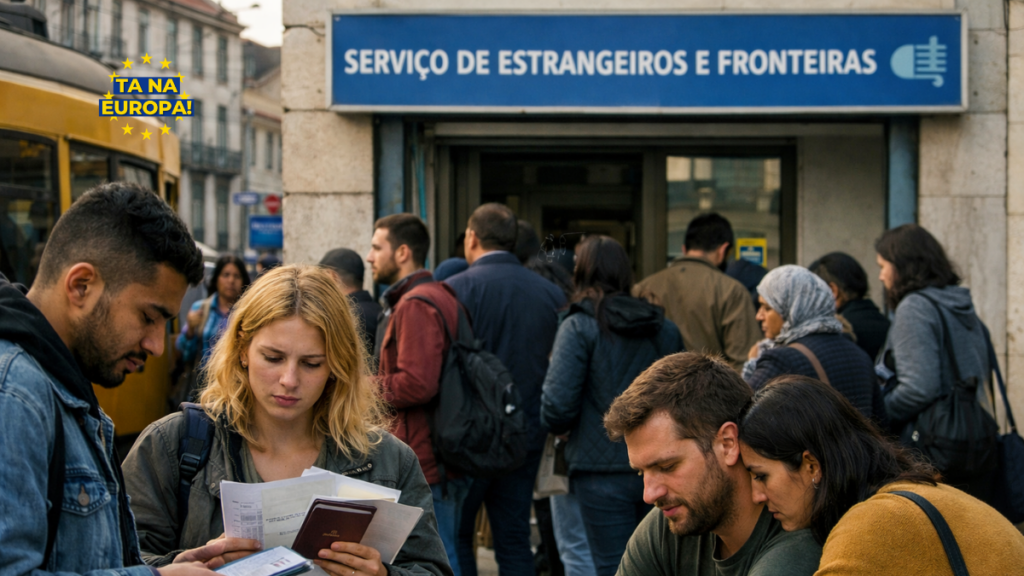
Portugal has become one of the most searched countries in Europe when the topic is legal residency. Many people look at Portugal as a place to live, work, study, or reunite with family. But when you go beyond social media posts and headlines, the real process is more complex and managed by dedicated immigration authorities in Portugal. Rules change, documents matter, and small mistakes can delay everything. This article explains how legal residency in Portugal works, who is affected, what changes in practice, and what nobody clearly explains at the start. Context: Why Portugal Attracts So Many Foreign Residents Portugal combines safety, a relatively lower cost of living compared to other Western European countries, and access to the European Union. Many foreigners compare Portugal with other European destinations before making a decision, especially when costs and quality of life are involved. https://tanaeuropa.com/descubra-os-10-paises-mais-baratos-para-morar-na-europa-em-2024-custos-de-aluguel-e-salarios/ For many foreigners, legal residency is not only about living in Portugal but also about gaining mobility inside the Schengen Area. This interest increased after changes in global mobility, remote work, and stricter immigration rules in other EU countries. But residency in Portugal is not automatic. Each type of permit follows a specific legal path, and the requirements change depending on your situation. Understanding this context helps avoid common mistakes that cost time and money. Who Can Apply for Legal Residency in Portugal Portugal allows residency for different profiles, but each one follows a different legal route. The most common groups are students, workers, self-employed professionals, investors, and family members. Students and Temporary Residency Student residency is usually linked to an educational institution officially recognized in Portugal. This type of permit is temporary and tied to the length of the course. Key points students often miss: Many students assume they can easily switch from student residency to work residency, but this transition depends on timing, contracts, and legal status at the moment of application. Workers and Employment-Based Residency Employment residency is one of the most structured paths, but also one of the most controlled. The applicant must usually have a valid job offer or employment contract before applying. Many foreigners compare Portugal with other countries in terms of salaries and labor conditions before accepting a contract. https://tanaeuropa.com/salarios-na-europa-quanto-ganha-um-trabalhador-em-diferentes-paises Important details: This type of residency is closely monitored because it directly affects the labor market. Errors in contracts or missing registrations can result in refusal. Self-Employed and Independent Professionals Portugal allows residency for independent workers, but this category requires clear proof of economic activity. Authorities look for consistency between income, contracts, and declared activity. Common requirements include: Many applications fail because documents do not match declared income or activity. Family Reunification Residency Family reunification allows legal residents to bring close family members. This process is highly regulated and often misunderstood. Many families start this process only after securing stable housing and income, especially in cities with high rental demand. https://tanaeuropa.com/crise-imobiliaria-em-portugal-como-isso-afeta-imigrantes-e-alugueis Key rules include: Family residency depends directly on the status of the main resident. If the main permit expires or is under review, family applications may be delayed. Main Documents Required for Residency Applications Regardless of the type, some documents are almost always required. Missing or incorrect paperwork is the most common reason for delays. Typical documents include: Each document must follow specific rules, including translation and validity periods. Costs Involved in the Residency Process Residency in Portugal is not free, and costs go beyond government fees. Applicants should prepare for multiple expenses. Main cost categories: These costs vary depending on residency type and personal situation. Planning ahead reduces financial stress during the process. Common Errors That Delay or Block Residency Many applicants fail not because they are ineligible, but because of avoidable mistakes. Frequent errors include: Understanding these risks early can save months of waiting. What Changes Between Temporary and Permanent Residency Temporary residency is usually the first step. After meeting legal time requirements, residents may apply for permanent residency. Many foreigners also look ahead and try to understand how residency connects to long term status and mobility inside Europe. https://tanaeuropa.com/como-funciona-a-cidadania-europeia-e-quais-sao-os-principais-beneficios Key differences: Permanent residency does not remove all obligations, but it reduces administrative pressure. Possible Future Scenarios for Residency Rules in Portugal Portugal continues to adjust its immigration system. Authorities balance economic needs with social and housing pressures. These discussions often follow wider European trends related to migration control and integration policies. https://tanaeuropa.com/portugal-avalia-dobrar-tempo-de-residencia-para-cidadania-gerando-preocupacao-entre-imigrantes/ Possible future trends include: Understanding these trends helps applicants prepare better. Conclusão do Ta Na Europa! Legal residency in Portugal offers real opportunities, but it requires planning, correct information, and realistic expectations. Each residency type follows its own legal logic, and shortcuts often lead to problems. Knowing the rules before applying makes the process clearer and safer. Residency permits and immigration rules in Portugal – https://www2.gov.pt/en/migrantes-viver-e-trabalhar-em-portugal/migrantes-vistos-e-autorizacoes-para-entrar-e-viver-em-portugal/ Necessary documentation for residence visas in Portugal – https://vistos.mne.gov.pt/en/national-visas/necessary-documentation/residency/ General residence authorization rules in Portugal – https://aima.gov.pt/pt/viver/autorizacao-de-residencia-regime-e-requisitos-gerais-art-o-77-o-n-o-1