
Free Universities in Europe The Hidden Financial Reality

Studying in Europe for free sounds simple and attractive. Many headlines say tuition is zero in countries like Germany, and sometimes Norway, depending on your nationality. But what does free really mean when you look at the full picture. In this article I will break down what is truly free, what still costs money, and what international students often discover too late. I am writing this as someone living in Ireland, not a native English speaker, trying to understand Europe like you. On paper, free tuition looks like the perfect solution for budget conscious students. In reality, the numbers tell a more complex story. What Free Tuition in Europe Really Means When universities say tuition is free, they usually mean there is no direct academic fee charged per semester for the course itself. This is common in public universities in countries such as Germany and, in some cases, Norway for EU and EEA students. However, free tuition does not automatically mean free education. Most public institutions still charge semester contributions. These can include administrative fees, student union payments, and public transport tickets. For a broader overview of how these fees appear across different countries, you can check our guide on studying in Europe at https://tanaeuropa.com/estudar-na-europa-custos-requisitos-e-melhores-destinos-explicados/. In Germany, for example, semester fees can range from a few hundred euros per term. It is not tuition, but it is not zero either. Another important point is eligibility. Some countries differentiate between EU and non EU students. In certain regions, non EU students may now face tuition fees that did not exist before. So the idea of universal free education is not always accurate. Who Is Truly Eligible for Zero Tuition Eligibility depends on nationality, residency status, and the specific university. EU citizens often benefit from lower fees across the European Union. Non EU students must carefully check if new regulations apply to them. In recent years, some German federal states introduced tuition for non EU students. Other countries, like Sweden and Denmark, charge full tuition for students from outside the EU. So when you read free university in Europe, always ask for whom. If you are researching study options, you may also want to read our related analysis about studying in Ireland and how tuition compares to continental Europe at https://en.tanaeuropa.com/how-much-does-it-cost-to-study-in-ireland-real-fees-and-living-costs/. The Costs Nobody Mentions in Big Headlines Even if tuition is zero, you still face several mandatory expenses. Health insurance is compulsory in most European countries. In Germany, public student insurance can cost over one hundred euros per month. Over a year, this becomes a significant amount. Many countries also require proof of funds for a student visa. Germany, for example, requires a blocked account showing thousands of euros available for living costs. This money is yours, but you must prove you already have it before arrival. So the question becomes clear. Is it free if you need to show ten thousand euros in advance. Living Costs The Real Financial Pressure Rent is often the biggest expense. In cities like Berlin, Munich, or Amsterdam, housing demand is high. If you are thinking specifically about Ireland, our detailed cost breakdown at https://tanaeuropa.com/quanto-custa-estudar-na-irlanda-taxas-e-custos-reais-de-vida/ shows how rent and daily expenses compare to other European study destinations. Student dormitories are limited. Private rentals are expensive. A simple room in a shared apartment can cost between five hundred and nine hundred euros per month depending on the city. Add food, transport, phone, internet, and basic leisure, and monthly living costs can easily reach one thousand euros or more. Compared to tuition based systems like the United Kingdom or Ireland, the absence of tuition can be attractive. But when you calculate total yearly cost of living, the difference may not be as dramatic as expected. If you are comparing countries, you can also check our breakdown of cost of living differences across Europe at https://en.tanaeuropa.com/studying-in-northern-vs-southern-europe-costs-lifestyle-and-opportunities/ which helps put numbers into perspective. Hidden Academic and Administrative Fees Free tuition does not always include everything related to your degree. Some programs charge additional laboratory fees, field trip contributions, or specialized materials. In certain master programs, especially those taught in English, universities may introduce service charges or special program fees. These are not always clearly highlighted in marketing materials. Another cost many students underestimate is document translation and recognition. Certified translations, visa documents, and academic credential recognition can add hundreds of euros before classes even begin. Work Opportunities Can You Really Offset Costs Many students plan to work part time to support themselves. European countries allow limited student work hours. However, income from part time jobs rarely covers full living costs in expensive cities. Language can also be a barrier. In Germany, for example, knowing German significantly increases job opportunities. Without it, options may be limited to basic roles. Wages differ across Europe. In Ireland, where I live, minimum wage levels are higher than in many other EU countries, but tuition is not free. So there is always a trade off between salary level and education cost. You can read more about working rights and visa rules in our visa focused article which explains practical restrictions many students overlook, together with broader job market insights at https://en.tanaeuropa.com/working-in-europe-as-a-foreigner-rules-visas-and-opportunities/. Impact on Non EU Students What Changed Recently Policy changes across Europe have slowly shifted the landscape. For example, Norway introduced tuition fees for most non EU and non EEA students starting in the 2023 2024 academic year, while keeping education largely tuition free for EU and EEA citizens. Some countries that were traditionally tuition free introduced fees for non EU students to balance public budgets. This creates a new reality. For EU students, education may remain almost free. For international students from outside Europe, tuition can suddenly appear depending on region and program. This shift has a direct economic impact. Students must compare not only tuition but also exchange rates, currency risks, and long term residency opportunities. Is Free Tuition Worth It When You Add Everything Let us do a simple thought exercise. If tuition is zero but yearly living costs
Applying to Universities in Europe Before Deadlines

Every year, between February and March, thousands of students start preparing their university applications across Europe. If you plan to begin your studies in September, this is the most critical moment. Missing one document or misunderstanding one requirement can delay your plans for an entire year. In this guide, I explain what you really need to prepare before spring deadlines and what many people only discover too late. Why Spring Deadlines Matter More Than You Think Spring deadlines are not just another date on the calendar. In many European countries, universities close their main intake applications between January and April for courses starting in September. In Ireland, for example, the main undergraduate deadline through the national system usually closes at the beginning of February, with a late window opening in March. In the United Kingdom, key equal consideration deadlines often happen in January. This means that waiting until March can already be risky depending on the country. If you are applying from outside the European Union, the timeline becomes even more sensitive. Visa processing, proof of funds, health insurance and accommodation arrangements all depend on early approval. Waiting until the last minute can create stress that could easily be avoided. So the question is simple. Are you ready with everything universities expect from you? Understanding the European Application System Europe does not follow one single application model. Each country has its own structure, deadlines and admission rules. Assuming that all universities follow the same pattern is one of the biggest mistakes applicants make. Different Systems Across Countries and Why It Matters In Ireland and the UK, undergraduate applications usually go through centralized platforms. In other countries such as Germany, Spain or Italy, many universities accept direct applications through their own portals. Some master programs operate on rolling admissions, while others have strict cut off dates published months in advance. Before preparing documents, you must check whether your chosen university uses: This difference changes everything. In rolling admissions, applying early can increase your chances because places may fill up gradually. In fixed systems, missing the deadline can mean waiting an entire year. Main Documents You Must Have Ready This is where many students make mistakes. They focus only on academic transcripts but forget other critical documents that can block the process. Academic Transcripts and Certificates You must prepare: In many cases, documents must be translated into English or the local language by a certified translator. Some universities may request officially certified copies. Requirements vary, so you must confirm directly with the institution. Do not wait until the last weeks before the deadline to request transcripts. Processing times at schools and universities can take several weeks. English Language Certification and Validity Rules If the program is taught in English, universities usually require proof such as IELTS or TOEFL. Minimum scores vary depending on the course and the institution. Some universities may waive the requirement if your previous education was fully in English, but this is not automatic. One important detail that many people forget is validity. Language test results are typically valid for two years. Submitting an expired certificate can result in rejection even if your academic profile is strong. Booking your exam early is essential. Test centers often become full during peak application months. Motivation Letter and CV That Make Sense Your motivation letter is more important than many students think. It is not just a summary of your resume. Universities want to understand: Keep it clear, honest and structured. Avoid complex words. Be direct and show real intention. A simple and authentic letter is usually stronger than a complicated one full of difficult vocabulary. Reference Letters and Timing Pressure Many master programs require one or two academic or professional references. Professors and employers need time to prepare letters. Asking one week before the deadline is not realistic. Plan at least one month in advance. Confirm whether references must be uploaded directly by the referee or submitted by you. Each university may follow a different system. Financial Planning: Costs, Deposits and Proof of Funds This is the part that creates the biggest surprises. Tuition Fees and Payment Structure Across Europe Tuition fees vary widely in Europe. Some countries charge low fees for EU students but significantly higher fees for international applicants. Others apply the same structure to everyone. Before applying, calculate: Many universities require a non refundable deposit after issuing an offer. If you are applying to multiple institutions, you may need to decide quickly where to commit financially. Proof of Funds for Visa Applications Non EU students must show proof that they can support themselves during their studies. The required amount depends on the country and may be updated periodically by immigration authorities. In Ireland, for example, financial requirements are clearly defined and must be proven before visa approval. This money usually must be in your bank account before the visa application. Financial documents may also need to be recent, sometimes issued within a limited timeframe. If you are not financially prepared by the time you receive your acceptance letter, you risk losing valuable time. Health Insurance Requirements and Legal Compliance Student insurance is mandatory in several European countries, especially for non EU students. Immigration authorities may require private medical insurance as a condition for granting residence permission. Check carefully: Insurance is not just a visa formality. Medical care in Europe can be expensive without coverage, and lack of proper insurance can affect your legal status. Who Is Most Affected by Late Preparation You might think you still have time. But who suffers the most from delays? Scholarship deadlines are often earlier than admission deadlines. That means you must prepare documents even earlier if you are looking for financial support. Hidden Risks and Small Details That Create Big Problems There are small details that can create serious complications. Document Expiration and Administrative Rules Some language tests expire. Financial statements may need to be recent. Passport validity may need to extend beyond your planned stay. Submitting outdated or incomplete documentation
Europe’s Most Efficient Countries for Students

Living and studying in Europe sounds exciting. But when money is limited, excitement is not enough. What really matters is the balance between tuition fees, part-time income, and cost of living. In this article, I break down which European countries are financially efficient for international students. If you want a broader overview of how studying in Europe works, including common requirements and realistic cost ranges, this guide can help: https://tanaeuropa.com/estudar-na-europa-custos-requisitos-e-melhores-destinos-explicados/. As someone who moved from São Paulo to Europe in my late twenties, I learned very fast that dreams must fit inside a budget. So here we will look at tuition versus income potential, work allowance rules, and cost of living compared to salary levels. This is a rational analysis. No postcards. Just numbers and real impact. Understanding Financial Efficiency for Students Before choosing a country, we need to define what “efficient” means. Financial efficiency for students is the relationship between: A country with low tuition but no work rights may not be efficient. A country with high tuition but strong salaries and work permission may actually be better long term. Let’s look at the strongest cases in Europe. Germany: Low Tuition, High Stability Germany is often mentioned when we talk about affordable education. But the real question is: does the math work? Tuition vs Income Potential Public universities in Germany charge very low tuition fees, and in many cases only administrative fees. For international students, this can mean paying a few hundred euros per semester. After graduation, Germany has one of the strongest labor markets in Europe, especially in engineering, IT, and technical fields. Entry-level salaries are competitive compared to living costs. That combination makes Germany extremely efficient financially. Work Allowance and Student Jobs International students can work up to 140 full days or 280 half days per year, or alternatively up to 20 hours per week during the academic term, according to current German regulations. Student hourly wages usually start around the national minimum wage, which is currently above 13 euros per hour, and can increase depending on the region and sector. If managed well, a student can cover a significant part of living expenses. Cost of Living vs Salary Reality Cities like Munich are expensive. But cities like Leipzig or Dresden are more affordable. When compared to average student income, Germany offers one of the best balances in Europe. If you want a practical view of how rent, transport, and daily expenses change from region to region, this comparison helps frame the numbers: https://tanaeuropa.com/custo-de-vida-na-europa-o-que-esperar-entre-diferentes-paises/. Ireland: Higher Costs, Strong Income Potential Ireland is where I live, so I see this reality daily. Tuition vs Long-Term Return Tuition fees in Ireland are higher than Germany. For non-EU students, fees often start around 10,000 euros per year and can exceed 30,000 euros depending on the level and field of study, especially in areas like business, technology, or health sciences. At first glance, that does not look efficient. But the labor market changes the picture. Ireland has strong sectors in tech, pharma, finance, and engineering. Starting salaries in many fields are higher than in southern Europe. If the student stays and transitions to a work visa, income growth can offset tuition investment. Understanding the official student work permissions in Ireland is essential before planning your budget, especially regarding term-time and holiday working hours. Work Allowance Rules International students in Ireland can work 20 hours per week during term time and 40 hours during official holidays. Minimum wage levels are relatively high compared to many European countries. That means even part-time work can realistically support rent and basic expenses. Cost of Living vs Salary Ireland is expensive. Rent is the biggest challenge. If you want a detailed breakdown focused on Ireland, with the types of costs students usually underestimate, this article is a useful reference: https://tanaeuropa.com/quanto-custa-estudar-na-irlanda-taxas-e-custos-reais-de-vida/. But wages are also higher. When comparing salary-to-rent ratio, Ireland performs better than many people think, especially outside Dublin. Efficiency here depends on strategy: choosing the right city and course. Portugal: Low Costs, Lower Salary Potential Portugal is attractive for lifestyle. But we are not discussing lifestyle. We are discussing numbers. Many students also compare Portugal with cheaper European countries where rent is lower but salary levels are also lower, and this list helps expand that comparison: https://tanaeuropa.com/descubra-os-10-paises-mais-baratos-para-morar-na-europa-em-2024-custos-de-aluguel-e-salarios/. Tuition vs Future Earnings Tuition in Portugal is lower than Ireland and often cheaper than many Western European countries. However, average salaries after graduation are significantly lower than Germany or Ireland. That reduces long-term financial efficiency. Work Allowance and Salary Reality International students can work legally. But average wages are lower, and job opportunities in some regions are limited. Even though cost of living is lower than in northern Europe, the salary-to-cost ratio is not as strong. For those considering Portugal, it is important to compare detailed tuition structures and realistic salary expectations before deciding. Efficiency is about long-term outcome, not just cheap rent. Poland: Growing Economy, Strong Balance Poland is often underestimated. Tuition vs Income Potential Tuition fees are moderate. Not as low as Germany, but significantly lower than Ireland. The economy has been growing steadily, and sectors like IT and manufacturing are expanding. Starting salaries are lower than Germany but cost of living is also much lower. This creates an interesting balance. Work Allowance for Students International students in Poland can work while studying, but conditions depend on visa status and current immigration regulations. It is important to verify updated national rules before relying on part-time income as part of your financial plan. Hourly wages are lower than Western Europe, but rent and daily expenses are also lower. That balance creates real financial efficiency, especially for students in technical fields. Netherlands: Higher Tuition, High Income Environment The Netherlands charges higher tuition fees for non-EU students. So why is it still on this list? Because the labor market is strong. Tuition vs Salary Power Although tuition can be expensive, graduate salaries in tech, logistics, and finance are competitive. English-taught programs are widely available, increasing international employability.
Studying in Smaller European Countries Pays Off

Studying in Europe is often linked to big names like the UK, Germany or France. But many students ignore smaller countries that offer strong universities, lower costs and real opportunities after graduation. In this article, I explore why Estonia, Slovenia, Malta, Lithuania and Latvia can be smart choices if you are planning to study abroad and want better value for your money. If you are also comparing general living expenses across the continent, you may want to check this detailed breakdown of affordable destinations in Europe: https://tanaeuropa.com/descubra-os-10-paises-mais-baratos-para-morar-na-europa-em-2024-custos-de-aluguel-e-salarios/ Why Smaller European Countries Are Gaining Attention When people search for study abroad options, they usually focus on large economies. The problem is simple: higher competition, higher tuition fees and rising living costs. In countries like the United Kingdom, tuition alone can go above 15,000 euros per year for international students, depending on the university and the program. But what happens if you look beyond the obvious? Countries like Estonia and Lithuania have invested heavily in digital infrastructure and modern universities. Slovenia and Latvia offer respected public institutions with competitive tuition structures. Malta, despite being small, has strong English-speaking programs and a growing private education sector. The question is not whether these countries are good. The real question is why so many students still ignore them. If you want to understand how student visa rules differ across Europe, this guide can help you compare procedures and documentation requirements: https://tanaeuropa.com/como-funciona-o-visto-de-estudante-na-europa-regras-e-dicas/ What Makes These Countries Different From UK or Germany The biggest difference is cost structure and market pressure. In Germany, public universities may charge low or no tuition for certain groups, but living costs in cities like Berlin or Munich are high and continue to rise. In the UK, both tuition and housing are expensive. France also has increasing living expenses in major cities. In smaller countries, the balance is different. For example, in Estonia, non EU tuition fees in public universities often range from around 3,000 euros to above 6,000 euros per year depending on the program. In Lithuania and Latvia, bachelor and master programs can start below 3,000 euros in some fields but may also reach higher values in areas like medicine or dentistry. Slovenia offers public education with varied tuition depending on degree level and faculty. Malta’s private colleges may cost more in some cases, but living expenses are often still below those of major UK cities. If you are comparing total annual cost, not just tuition, the numbers become more realistic and more interesting. For a broader comparison between education costs and average salaries across Europe, you can explore this analysis: https://tanaeuropa.com/comparativo-taxa-de-educacao-superior-e-salario-medio-na-europa/ Tuition Fees: What Nobody Explains Clearly Many students only look at tuition. That is a mistake. The real cost of studying abroad includes: In countries like Latvia and Lithuania, tuition for business or IT programs can fall within the 2,500 to 6,000 euros range, depending on the institution. In Estonia, many programs are positioned between mid and upper four digit annual fees. Slovenia and Malta also present wide ranges depending on course and degree level. Now compare that with UK private tuition, which can easily go above 15,000 euros per year and may reach significantly higher amounts for certain courses. Even if you add living costs, smaller countries can remain financially competitive overall. To understand student living expenses in more detail, this cost of living guide for European cities provides additional context: https://tanaeuropa.com/guia-de-custos-de-vida-em-cidades-europeias-para-estudantes/ This cost advantage increases your chances of staying longer without financial stress. And that matters a lot for international students who depend on careful budget planning. Health Insurance and Visa Rules: What Actually Applies Another hidden factor is regulation. In many smaller European countries, student residence processes are structured and transparent, but they are not necessarily simpler. Each country has its own requirements, proof of funds and insurance rules. In Estonia, international students can work during their studies without a strict hourly limit, as long as work does not interfere with academic progress. In Latvia, students typically face limits during the academic term, often around 20 hours per week, with more flexibility during holidays. Slovenia allows student work under specific frameworks linked to student status. Malta permits part time work during studies under defined conditions. Health insurance is mandatory across Europe. Baltic countries and Slovenia usually require either local public insurance registration or private coverage that meets national standards. Malta also requires valid insurance, and many institutions guide students through this process. Lower population size does not automatically mean faster processing times. Timelines depend on nationality, demand and documentation quality. Employment Opportunities After Graduation Studying is not just about the degree. It is about what comes next. Estonia is known for its technology driven environment and digital economy. Lithuania has a growing fintech and shared services sector. Latvia continues to develop in logistics and IT services. Slovenia has a stable economy inside the European Union framework. Malta has strong sectors in tourism, financial services and gaming. Post study residence options exist in different formats depending on the country. In many cases, graduates may apply to change their residence status if they secure a job offer that meets national salary or qualification requirements. Because these markets are smaller, job opportunities are also smaller in absolute numbers. Competition may be lower in some niches, but it can also be intense in limited sectors. This is a trade off that students must consider carefully. If your goal is to remain in Europe after graduation, this overview of employment pathways can give you more strategic insight: https://tanaeuropa.com/emprego-apos-estudos-na-europa-melhores-paises-para-trabalhar/ So the real question becomes strategic: would you rather compete in a very large and saturated capital, or explore a smaller but potentially less crowded professional ecosystem? Cost of Living: The Hidden Multiplier Living costs directly affect financial stability. In cities like Tallinn, Riga, Vilnius or Ljubljana, rent for a student room is often lower than in Dublin, London or Paris, although prices can vary significantly depending on location and housing type. Malta can be more expensive in tourist areas, but
Public vs Private Healthcare in Europe: What Foreigners Should Know

Public and private healthcare systems exist side by side across Europe, and for foreigners this topic is not just about health. It affects visas, residence permits, monthly budgets, quality of life and long term plans. This article explains how both systems work across Europe, who can access public care, where private healthcare makes sense, and what many people only discover after moving. Table 1 – Structural Comparison: Public vs Private Healthcare in Europe Criteria Public Healthcare Private Healthcare Funding Source Taxes and mandatory social contributions Out-of-pocket payments or private insurance Cost at Point of Care Free or low cost at service Paid consultations and procedures Waiting Times Possible delays for specialists Generally faster access Doctor Choice Limited within public network Greater freedom of choice Regulation State-regulated State-regulated but privately operated Coverage Scope Essential and hospital care Expanded services and premium access Best For Emergencies and ongoing essential care Elective procedures and faster appointments The European healthcare model explained Europe does not have one single healthcare system. Each country manages its own structure, but most follow a similar logic: a publicly funded system designed to cover residents, and a private sector that operates alongside it. For foreigners, understanding this difference early can avoid problems later. Public healthcare in Europe is usually funded by taxes or social contributions. Private healthcare is paid directly or through private insurance. In many countries, both systems interact, and people often use both depending on the situation. How public healthcare works across Europe Public healthcare systems are built to offer universal access for residents. However, the word resident is key. Many foreigners only understand this difference after arrival, when registration, documentation and insurance become part of daily life. Planning healthcare is also closely linked to overall living costs in Europe, which are explored here. Many foreigners only understand this difference after arrival, when registration, documentation and insurance become part of daily life. For a broader context on moving costs and planning. Tourists, temporary visitors and newcomers often face limits. In general, access to public healthcare depends on: Countries like France, Germany, Spain and Portugal offer strong public systems, but newcomers usually need time before full access is granted. In some cases, this process can take months. Who qualifies for public healthcare Eligibility rules vary, but most European countries follow similar principles. People who usually qualify: People who may face limits or temporary conditions at the beginning: This is why many foreigners rely on private insurance at the beginning. A deeper explanation of residence rules depends on the specific country, visa type and whether the person is an EU or non EU citizen. Waiting times and system pressure One of the most common complaints about public healthcare in Europe is waiting time. While emergency care is usually fast and reliable, non urgent appointments can take weeks or even months. Examples commonly reported across Europe: This does not mean public healthcare is bad. It means it is designed to prioritize severity, not speed. For many foreigners, this reality only becomes clear after arrival. The role of private healthcare in Europe Private healthcare exists to fill gaps left by public systems. It offers faster access, more flexibility and often better communication for foreigners. Private healthcare usually includes: However, it comes at a cost. Prices vary widely depending on country, coverage and age. Private health insurance costs in Europe Private insurance costs depend on several factors: Average monthly costs across Europe: For many foreigners, private insurance is not optional. It is often required for visa approval, especially for students, retirees and non EU residents. Cost of living and healthcare expenses vary significantly across Europe and depend on local rules and insurance models. Public vs private healthcare: practical comparison Understanding theory is one thing. Living the system is another. Table 2 – Country Examples: How Public and Private Systems Work Country Public System Name Is Insurance Mandatory? Role of Private Sector Typical Specialist Wait Time Germany Statutory Health Insurance (GKV) Yes Alternative private insurance (PKV) available Moderate France Assurance Maladie Yes Complementary private insurance common Low to moderate Spain National Health System (SNS) No (for employed residents covered via taxes) Parallel private clinics widely used Moderate to long Netherlands Mandatory Basic Health Insurance (Zvw) Yes Supplementary private plans available Short to moderate Ireland Health Service Executive (HSE) No Private insurance widely used Long in public, short in private Public healthcare advantages: Public healthcare limitations: Private healthcare advantages: Private healthcare limitations: Most foreigners end up using both systems depending on the situation. Healthcare and visas: what many foreigners miss One critical point often ignored is how healthcare affects immigration status. Many European visas require proof of health insurance that meets specific standards. Common requirements: Failing to meet these rules can result in visa denial or renewal issues. This is especially important for students and digital workers. Visa rules related to healthcare vary by country and by type of residence permit. Is private healthcare worth it in Europe The answer depends on personal priorities. Private healthcare often makes sense if: Public healthcare may be enough if: Many long term residents keep private insurance even after gaining access to public systems. Future trends in European healthcare Europe faces growing pressure on healthcare systems due to aging populations, migration and rising costs. Waiting times are increasing in many countries, while private healthcare continues to expand. For foreigners, this means: Healthcare is no longer just a medical topic. It is a financial and legal decision. Conclusion from Ta Na Europa! Understanding public and private healthcare in Europe is essential for anyone planning to live, study or work abroad. The system works, but not always in the way newcomers expect. Knowing when public healthcare applies, when private insurance is required and how both interact can save money, stress and time. Planning ahead is not optional. It is part of living well in Europe. Public vs Private Healthcare in Europe – Reference Sources European Commission – Healthcare systems and access in the European Union – https://health.ec.europa.eu/health-systems-and-policy/overview_en OECD –
Studying in Northern vs Southern Europe: Costs, Lifestyle, and Opportunities
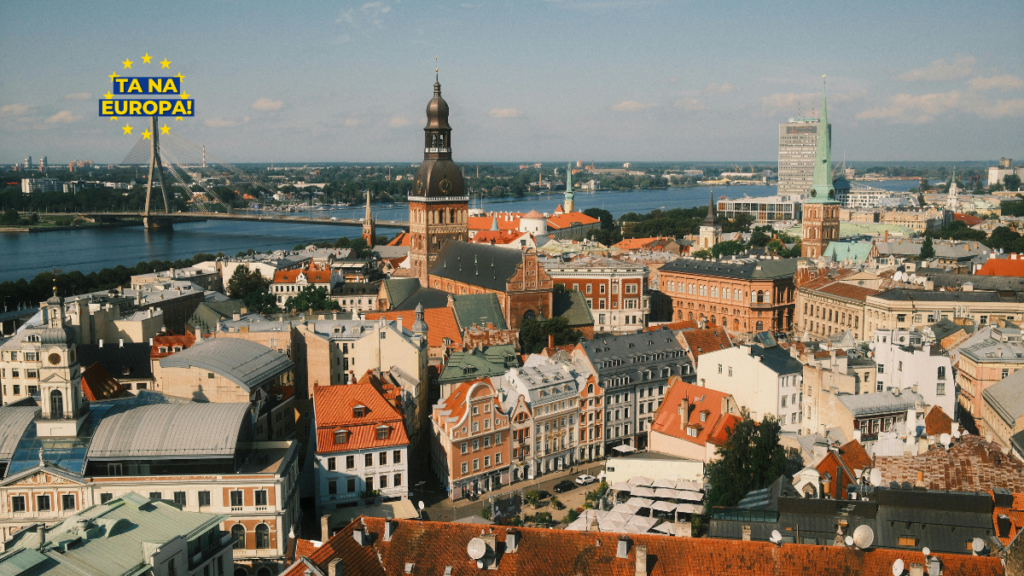
Studying in Europe is not a single experience. The continent offers very different realities depending on where you choose to live and study. Northern Europe and Southern Europe attract international students for very different reasons, and the choice between them can change your costs, lifestyle, and future opportunities. This article explains what really changes when you compare Northern and Southern Europe as a student, focusing on costs, lifestyle, and future opportunities without oversimplifying the reality. We look at tuition fees, cost of living, quality of life, work options, and what happens after graduation. The goal is simple: help you understand where your money goes and what you get in return. Understanding the Difference Between Northern and Southern Europe Europe is often seen as one education market, but that is not how it works in practice. Each region has its own economic model, social structure, and approach to higher education. Northern Europe usually refers to countries like Sweden, Denmark, Finland, Norway, Iceland, the Netherlands, and sometimes Germany and Ireland. These countries are known for strong public systems, high salaries, and higher living costs. Southern Europe usually includes Spain, Portugal, Italy, Greece, and parts of Southern France. These countries are popular for lifestyle, climate, and lower daily expenses, but salaries and post-study opportunities can be more limited. Understanding this regional gap is the first step before comparing numbers. Tuition Fees in Northern Europe: What Students Really Pay In Northern Europe, tuition fees depend heavily on your nationality. EU and EEA students often study for free or pay very low fees at public universities. Non-EU students usually face higher tuition costs. Countries like Sweden, Denmark, Finland, and the Netherlands charge non-EU students annual fees that often range from 8,000 to 20,000 euros. Programs in technology, engineering, and business are usually more expensive. Ireland and the Netherlands are slightly different cases. Ireland has higher tuition fees even for EU students, while the Netherlands offers many English-taught programs with mid-range fees. The key point is that Northern Europe treats education as a long-term investment. High fees are often linked to strong infrastructure, modern campuses, and close links with the job market. Tuition Fees in Southern Europe: Lower Entry Cost, Different Structure Southern European countries are known for lower tuition fees, especially at public universities. Spain, Portugal, and Italy often charge between 2,000 and 6,000 euros per year, even for non-EU students, depending on the program and institution. Some regions apply income-based systems, meaning fees depend on family income rather than nationality. This can be attractive for students with limited budgets. However, many programs are still taught in the local language. English-taught degrees exist but are fewer compared to Northern Europe. This can affect both academic choice and future employability. Lower tuition does not mean lower quality, but it does change the overall value equation when combined with work options and salaries. Cost of Living in Northern Europe: High Expenses, High Standards For a deeper comparison of real costs faced by international students, readers can also explore this related analysis on living expenses across Europe. Living costs in Northern Europe are among the highest in the world. Rent, food, transport, and services are expensive, especially in capital cities. Monthly student budgets in cities like Stockholm, Copenhagen, or Helsinki often range from 900 to 1,400 euros. Housing is usually the biggest challenge, both in price and availability. That said, public services are strong. Transport works well, cities are safe, and student support systems are efficient. Many students also work part-time, with wages that help balance expenses. Higher costs come with higher predictability. Bills, contracts, and rules are usually clear and well enforced. Cost of Living in Southern Europe: Affordable but Uneven If you are considering specific destinations and real student budgets, this article expands on how costs change depending on the country and city. Southern Europe is more affordable for daily life. Rent, food, and social activities cost less, especially outside major tourist cities. Students in Spain, Portugal, or Italy often live on 800 to 1,200 euros per month, depending on the city and housing situation. Shared housing is common, and eating out is more accessible. However, lower costs can come with trade-offs. Public transport may be less reliable, bureaucracy can be slower, and student housing systems are less organized. Affordability is a strong advantage, but students must be ready for more informal systems. Lifestyle and Quality of Life: Structure vs Flexibility Lifestyle is where the regional contrast becomes very clear. Northern Europe offers structure, planning, and balance. Time management, punctuality, and personal space are valued. Southern Europe offers social life, flexibility, and a slower pace. Community, family, and outdoor life play a bigger role in daily routines. Neither is better by default. Some students feel more productive in structured environments. Others thrive where social interaction and flexibility are part of life. Your personal profile matters more than rankings or marketing slogans. Working While Studying: Rules and Real Opportunities Students who plan to work during their studies often underestimate how different the rules and wages can be across Europe. This guide explains real conditions, especially in popular destinations like Ireland. Most European countries allow students to work part-time, but the real opportunity depends on wages and job availability. In Northern Europe, part-time wages are high. Even limited working hours can cover a large part of living costs. Jobs in services, logistics, and tech support are common. In Southern Europe, student jobs exist but pay less. Many students rely more on savings or family support. Informal work is more common but carries risks. For students who need to work to survive, Northern Europe usually offers better conditions. Post-Study Opportunities: Where Education Turns Into Career Post-study options are a decisive factor for many international students. This related article explores how education connects to real career opportunities in Europe. One of the biggest differences appears after graduation. Northern Europe invests heavily in retaining international talent. Countries like Ireland, the Netherlands, and Sweden offer post-study work options that allow graduates
Studying in Europe: Costs, Requirements, and Best Destinations Explained

Studying in Europe is often seen as a smart move for those who want quality education, international experience, and better career options. But behind the idea, there are real costs, clear rules, and important differences between countries that many people only discover later. This article explains what really matters before choosing Europe as a study destination. Why Studying in Europe Attracts So Many International Students Europe brings together strong universities, globally recognized diplomas, and a lifestyle that mixes history with modern life. Many countries offer programs taught in English, even where English is not the local language. This opens doors for students from all over the world. Another factor is mobility. A student in Europe is not limited to one country. Many readers also compare destinations before choosing, especially when costs vary a lot across regions. https://tanaeuropa.com/descubra-os-10-paises-mais-baratos-para-morar-na-europa-em-2024-custos-de-aluguel-e-salarios/ Trains, low cost flights, and open borders in many regions make it easy to travel, work part time, and build international connections. This is attractive, but it also changes how costs and rules apply. The Real Cost of Studying in Europe Costs are one of the most searched topics, and for good reason. Europe is not cheap, but it is also not the same everywhere. Understanding the numbers early avoids frustration later. Tuition Fees: Public vs Private Institutions Public universities in countries like Germany often charge very low tuition fees, mainly through small semester contributions. In Austria and Norway, rules depend on nationality, and students from outside the EU or EEA are usually required to pay regulated tuition fees. However, this does not mean studying there is free. Living costs, insurance, and proof of funds are still required. Private colleges and universities, common in countries like Ireland, Spain, and the Netherlands, usually charge higher fees. These institutions often focus on practical courses and flexible entry requirements, which can be attractive for adult students. Tuition can range from a few hundred euros per year in some public systems to more than 15,000 euros per year in private colleges. The course level also matters. Bachelor degrees, master programs, and short professional courses follow different pricing logic. Living Costs: What Nobody Tells You Early Living costs often matter more than tuition. This is especially true in countries where housing is the main challenge for students, such as Ireland. https://tanaeuropa.com/how-much-does-it-cost-to-study-in-ireland-real-fees-and-living-costs/ Rent, food, transport, and health insurance quickly become the biggest expense. Northern and Western Europe tend to be more expensive. Cities like Dublin, Amsterdam, and Copenhagen require careful budgeting. Southern and Eastern Europe usually offer lower rent and daily expenses, which can balance higher tuition fees in some cases. Monthly living costs can vary from around 700 euros in smaller cities to more than 1,500 euros in major capitals. Lifestyle choices make a big difference. Sharing accommodation, cooking at home, and using public transport reduce pressure on the budget. Student Visa Requirements Across Europe Visa rules are not unified across Europe. Each country sets its own requirements, even inside the European Union. This is where many students make mistakes. Proof of Funds and Financial Guarantees Most European countries require proof that the student can support themselves. This usually means showing a minimum amount of money per year, separate from tuition. The required amount varies. Some countries ask for proof covering the full academic year, while others calculate monthly minimums. This money often must be available in advance, not earned later. Work Rights While Studying Many European countries allow students to work part time. This helps with experience and daily expenses, but it should never be the main financial plan. Limits usually range between 10 and 20 hours per week during term time. Full time work is often allowed during holidays. These rules are strict, and breaking them can affect visa renewal. If this topic is relevant to you, it is important to understand how work limits differ by country and how this can affect both your budget and your long term plans. Best Destinations to Study in Europe and Why They Stand Out Choosing a country is not only about rankings. Lifestyle, access to jobs, and long term plans also matter when comparing cities across Europe. https://tanaeuropa.com/as-melhores-cidades-da-europa-para-estudar-e-trabalhar-em-2025-vao-te-surpreender/ Costs, language, work options, and post study opportunities matter just as much. Germany: Low Tuition and Strong Reputation Germany is known for technical and engineering programs, strong public universities, and very low tuition fees. Many programs are available in English, especially at master level. The challenge is bureaucracy and language outside the classroom. While studying is affordable, adapting to daily life may require basic German skills. Ireland: English Speaking and Career Focused Ireland attracts students who want to study in English and work in international companies. Visa rules and study pathways play a major role in this decision. https://tanaeuropa.com/irlanda-libera-novo-visto-para-estudantes-de-ingles-que-vao-entrar-na-faculdade-em-2025/ The country has a strong link between education and the job market, especially in technology and business. Costs are higher, particularly housing. Still, Ireland offers clear post study work pathways, which makes the investment attractive for many students planning to stay longer. For a deeper look at costs and visa rules, related articles on tanaeuropa.com explain how studying in Ireland works in practice. Spain and Portugal: Lifestyle and Lower Living Costs Southern Europe combines affordable living with a relaxed lifestyle. Tuition fees are usually moderate, and daily expenses are lower than in northern countries. The main limitation is language. While English taught programs exist, they are fewer. For students open to learning a new language, these countries offer good value. Eastern Europe: Value for Money and Growing Demand Countries like Poland, Hungary, and the Czech Republic have gained attention for offering English taught degrees at lower tuition costs. Living expenses are generally affordable, and admission requirements may be more flexible. Recognition of degrees should always be checked carefully, especially for regulated professions. Hidden Requirements That Can Affect Your Plan Beyond tuition and visas, there are details that often appear late in the process. Health insurance is mandatory almost everywhere. Some countries accept private insurance, while others require enrollment in national
Most Popular Universities in Europe for International Students

Studying in Europe is one of the most common plans for people who want better education, global experience, and real career options after graduation. Some universities attract international students year after year, not because of trends, but because they offer strong degrees, clear rules, and realistic paths to stay and work in Europe. This article compares the universities most searched and chosen by international students in Portugal, Ireland, Spain, and Germany. The focus is practical. Costs, entry rules, language, visas, and what really matters when choosing where to study over the long term. Why These Universities Are Always in Demand European universities that attract foreigners usually share a few important points. They offer degrees taught in English or accessible local languages, they are located in cities with jobs, and they are connected to visa systems that allow students to work during and after their studies. Another key factor is recognition. Degrees from these institutions are accepted across Europe and often worldwide. This makes them valuable not only for education but also for long-term plans like residence permits or permanent settlement. Portugal Universities Popular With International Students Portugal is often chosen by students looking for lower costs and easier adaptation. https://tanaeuropa.com/descubra-os-10-paises-mais-baratos-para-morar-na-europa-em-2024-custos-de-aluguel-e-salarios/ The language is close to Portuguese and Spanish, the climate is mild, and the education system is stable. University of Lisbon and Its Real Appeal The University of Lisbon is one of the largest and most respected institutions in Southern Europe. It attracts students mainly in areas like engineering, business, law, and health. Tuition fees are lower than in many other European countries, especially when compared to Ireland or the UK. Living costs are still rising, but they remain below most Western European capitals. For many students, Portugal is not just about the degree. It is also a gateway to legal residence in Europe. If you want to understand how legal stay works, it is useful to read How Legal Residency Works in Portugal for Foreigners on tanaeuropa.com. University of Porto and Regional Advantages The University of Porto is another strong option, especially for science, architecture, and technology. Porto is slightly cheaper than Lisbon and offers a good quality of life. Many international students choose Porto because it balances academic reputation with lower housing pressure. This matters a lot when planning a long stay. Ireland Universities With High Demand From Foreigners Ireland is one of the most attractive countries for international education in Europe. https://tanaeuropa.com/how-much-does-it-cost-to-study-in-ireland-real-fees-and-living-costs/ English is the official language, universities have strong global rankings, and the country offers post-study work options. Trinity College Dublin and Global Recognition Trinity College Dublin is the most internationally known Irish university. It attracts students from all continents, especially in fields like business, computer science, and humanities. The main downside is cost. Tuition and living expenses in Dublin are high. Still, many students see this as an investment because of Ireland’s job market and multinational companies. If you want a clear breakdown of expenses, the article How Much Does It Cost to Study in Ireland: Real Fees and Living Costs on tanaeuropa.com explains this in detail. University College Dublin and Career Focus University College Dublin is another top choice. It has strong connections with companies, especially in tech, finance, and engineering. Students can work part time during studies and apply for post-study permission after graduation. This makes Ireland very attractive for those who want to stay in Europe legally after finishing their degree. Understanding visas is essential. https://tanaeuropa.com/types-of-visas-to-live-in-ireland-which-one-to-choose-in-each-situation/ Types of Visas to Live in Ireland: Which One to Choose in Each Situation on tanaeuropa.com gives a practical overview. Spain Universities That Attract International Students Spain combines strong universities with a high quality of life. https://tanaeuropa.com/how-legal-residency-works-in-portugal-for-foreigners/ Many degrees are offered in Spanish, but English programs are growing fast. University of Barcelona and Academic Tradition The University of Barcelona is one of the oldest and most respected in Spain. It attracts students in medicine, social sciences, and business. Barcelona is not cheap, but it offers more job opportunities than smaller cities. For students who already speak some Spanish, adaptation is easier. Autonomous University of Madrid and Research Strength The Autonomous University of Madrid is known for research and academic quality. It is popular among students interested in science, economics, and international relations. Spain is often chosen by students who value lifestyle and culture, but it is important to check work rights carefully. The post-study path is different from Ireland and Germany, with its own rules and timelines that require planning. Germany Universities and Why They Stand Out Germany is unique in Europe. https://tanaeuropa.com/italian-citizenship-in-2026-impacts-risks-and-why-timing-matters/ Many public universities still charge very low or no tuition fees, even for international students, which makes the country very attractive. However, this is not true for all states or all institutions. Technical University of Munich and Engineering Excellence The Technical University of Munich is one of the top technical universities in Europe. It attracts students in engineering, IT, and applied sciences. Although tuition can be low in many cases, living costs in cities like Munich are high. It is also important to note that some states and universities apply tuition fees for non-European students. Language can be a barrier, since many programs still require German. Heidelberg University and Academic Prestige Heidelberg University is known for research, medicine, and sciences. It attracts students looking for academic careers and strong theoretical education. Germany offers clear post-study work options, but integration requires planning. Language learning is not optional in the long term, especially for students who want to stay and work after graduation. Costs Comparison Between These Countries When comparing these destinations, costs are one of the main decision points. Choosing only by price is risky. Long-term opportunities matter more than short-term savings. Who Is Really Affected by These Choices International students are not a single group. Some want only a degree, others want to build a life in Europe. If your goal is long-term residence, countries like Ireland and Germany offer clearer paths. If your focus is lifestyle and language, Portugal and Spain