
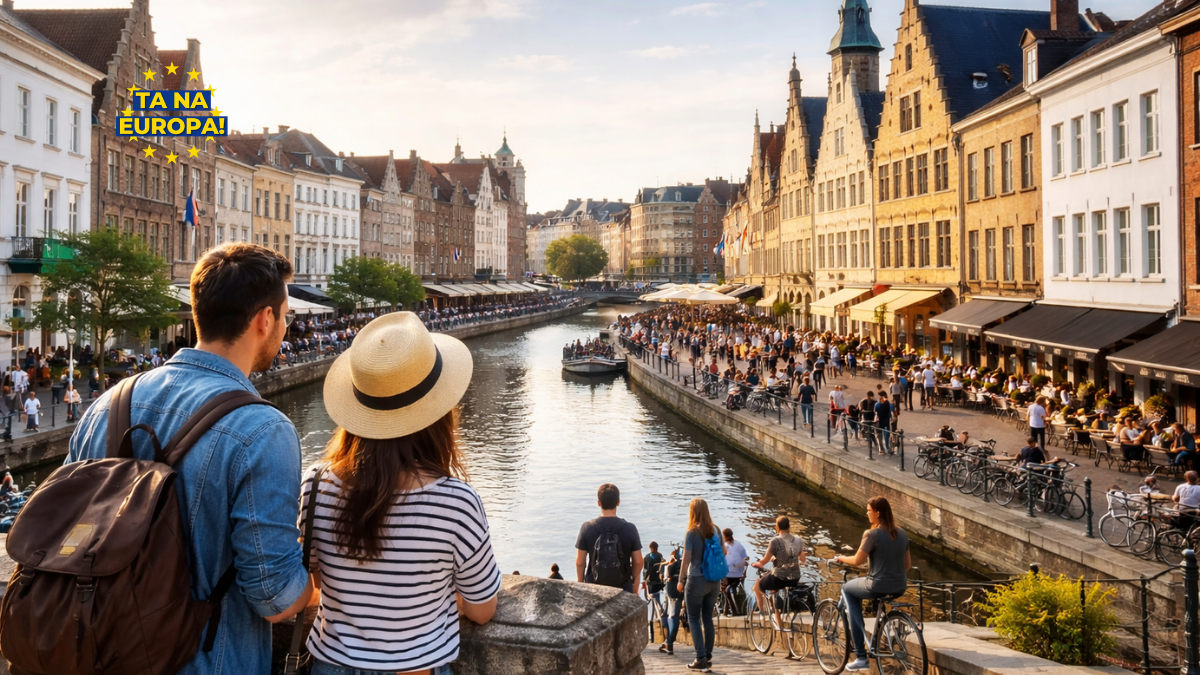
Living in Europe is a common goal for many people around the world. The idea often comes with images of safety, stable salaries, public healthcare, and a better work life balance. But beyond the dream, there are real rules, costs, and daily challenges that many people only discover after moving. This article explains what really changes when you choose Europe as a place to live, who is affected, and what you should expect before making this decision.
The real context behind living in Europe today
Europe is not one single reality. Each country has its own laws, salaries, taxes, languages, and immigration rules. Still, there are common patterns across the continent that help explain why Europe attracts so many people every year.
In recent years, Europe has faced higher living costs, housing shortages in big cities, and stricter immigration controls. At the same time, many countries still offer strong public services, legal protection for workers, and clear long term residency paths. These two sides exist together, and understanding both is essential.
For many newcomers, the first months are exciting. Later, questions appear. Is the salary enough after taxes. Is the weather hard to handle. Is integration easier than expected. These are not small details. They define daily life.
Why Europe attracts so many people in the first place
Europe continues to attract workers, students, families, and retirees for practical reasons, not just lifestyle dreams.
Strong worker protection and labor rules
In most European countries, labor laws are strict. Paid holidays, sick leave, parental leave, and limits on working hours are part of the law, not a benefit offered by companies.
For example, working more than forty hours per week is less common in many countries, although the legal reference limit in the European Union is an average of up to forty eight hours per week, including overtime. Paid annual leave of at least four weeks per year is guaranteed by law across the European Union, with five weeks being common practice in many countries. This creates a sense of stability that many people value after coming from countries with weak labor protection.
This legal structure directly affects quality of life and mental health, even when salaries are not the highest in the world.
Public healthcare and social systems
Healthcare is one of the main reasons people choose Europe. Most countries offer public healthcare funded by taxes. Access is usually guaranteed after legal residency.
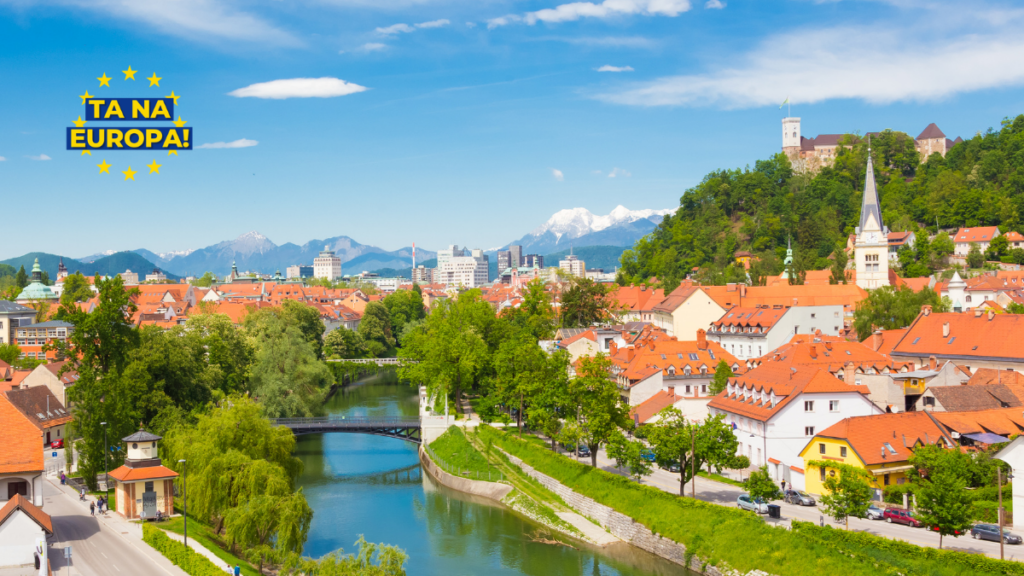
It is important to understand that public healthcare does not mean instant service. Waiting lists exist, and private health insurance is often used as a complement. Still, the fear of unaffordable medical bills is much lower than in many other regions.
For readers interested in how healthcare systems work for foreigners, this topic connects directly with practical guides already available on tanaeuropa.com, such as https://tanaeuropa.com/como-funciona-o-sistema-de-saude-na-europa-para-estrangeiros/.
Education, mobility, and long term planning
Europe offers access to public universities, vocational training, and international programs. Tuition fees are often lower than in the United States or Australia, especially for residents.
Another strong point is mobility. Living legally in one European country can open doors to others in the future, especially inside the European Union. This long term flexibility is rarely discussed but has real value.
The real cost of living no one explains clearly
Cost of living is where expectations often break.
Many people see salaries in euros and assume comfort. What matters is what remains after taxes and fixed expenses.
Housing costs and availability
Housing is the biggest challenge across Europe. In cities like Dublin, Amsterdam, Lisbon, Berlin, and Paris, rent can consume more than forty percent of income.
Short supply, strong demand, and strict rental rules make it hard to find affordable housing quickly. This affects newcomers more than locals.
Understanding rent systems, deposits, and legal protections is essential. Detailed housing guides on tanaeuropa.com explain these rules in practical terms and help avoid common mistakes, including https://tanaeuropa.com/descubra-os-10-paises-mais-baratos-para-morar-na-europa-em-2024-custos-de-aluguel-e-salarios/.
Taxes reduce gross salaries significantly
European salaries are usually discussed in gross numbers. After income tax and social contributions, net income is much lower.
This surprises many people who compare Europe with countries where taxes are lower but services are private.
The key question is not how much you earn, but what that income covers. Healthcare, transport, education, and safety are part of the calculation.
Daily expenses and lifestyle adjustments
Groceries, transport, and utilities vary widely by country. Southern Europe is generally cheaper than Northern Europe, but salaries also follow that pattern.
Eating out frequently, owning a car, or traveling often can quickly increase monthly costs. Europe rewards simple routines more than luxury habits.
Immigration rules and who is really affected
Immigration is one of the most misunderstood topics about living in Europe.
Visas are country specific, not Europe wide
There is no single European visa. Each country defines its own immigration rules. Work permits, student visas, and family reunification follow national laws.
Many people arrive legally and later struggle to extend their status because they did not understand long term requirements.
Readers who want to explore visa options in different countries can find detailed breakdowns on tanaeuropa.com that explain paths, timelines, and common risks, such as https://tanaeuropa.com/tipos-de-visto-para-morar-na-europa-qual-escolher-em-cada-situacao/.
Permanent residency and citizenship take time
Permanent residency usually requires five years of legal stay. Citizenship often requires more time, language exams, and integration tests.
Europe rewards patience and compliance. Shortcuts rarely work and often lead to legal problems.
The emotional side of living in Europe
This part is rarely discussed honestly.
Loneliness and integration challenges
Making friends in Europe can take time. Social circles are often formed early in life. Language barriers increase this distance.
Many newcomers feel isolated in the first year. This does not mean Europe is cold. It means relationships grow slowly.
Learning the local language, even at a basic level, changes everything.
Weather and cultural shock
Weather affects mood more than expected. Long winters, short days, and rain are real factors in Northern Europe.
Cultural differences also matter. Direct communication styles, respect for rules, and personal space can feel strange at first.
These factors do not make Europe worse. They simply require adaptation.
Is Europe better than the United States, Canada, or Australia
This comparison adds clarity.
Europe offers stability, safety, and public systems. Other countries may offer higher salaries and faster career growth.
Europe is ideal for people who value balance, long term security, and predictable rules.

It may not be ideal for those who want fast wealth accumulation or constant professional competition.
Understanding your personal priorities matters more than choosing the perfect country.
Future scenarios and what may change
Europe is adjusting immigration policies, housing rules, and labor laws.
Some countries are opening doors to skilled workers. Others are becoming stricter.
Remote work, digital nomad visas, and demographic changes will shape the next decade.
Those who plan carefully will benefit the most.
For readers planning long term residency, related content on tanaeuropa.com can also help, including https://tanaeuropa.com/como-funciona-a-residencia-legal-em-portugal-para-estrangeiros/ and https://tanaeuropa.com/cidadania-italiana-em-2026-impactos-riscos-e-por-que-o-tempo-importa/.
Ta Na Europa!
Europe can be a great place to live, but only with realistic expectations. The continent offers safety, structure, and quality public services. In exchange, it asks for patience, adaptation, and respect for rules.
Living well in Europe is less about dreams and more about planning. When expectations match reality, the experience becomes sustainable and rewarding.
Number of characters in the headline: 55
Total number of characters in the article: 12318
Euronews explains Europe’s housing pressure and rent-to-income ratios – https://www.euronews.com/business/2025/07/22/can-you-afford-to-live-here-europes-cities-ranked-by-rent-to-salary-ratio
European Union rules on working hours and paid leave – https://europa.eu/youreurope/business/human-resources/general-employment-terms-conditions/working-hours/index_en.htm
European Commission overview of long-term residence rights – https://home-affairs.ec.europa.eu/policies/migration-and-asylum/legal-migration-and-resettlement/long-term-residents_en
