

The city of Rome introduced a new €2 access fee for visitors who want to get close to the Trevi Fountain, officially in force since 2 February 2026. At first glance, the price looks small, almost symbolic. But behind this decision, there are important changes that affect tourism, costs, visitor behavior, and even how historic sites across Europe may be managed in the future. This article explains what really changed, who is affected, and what this means for anyone planning a trip to Italy.
Why Rome Changed the Rules at the Trevi Fountain
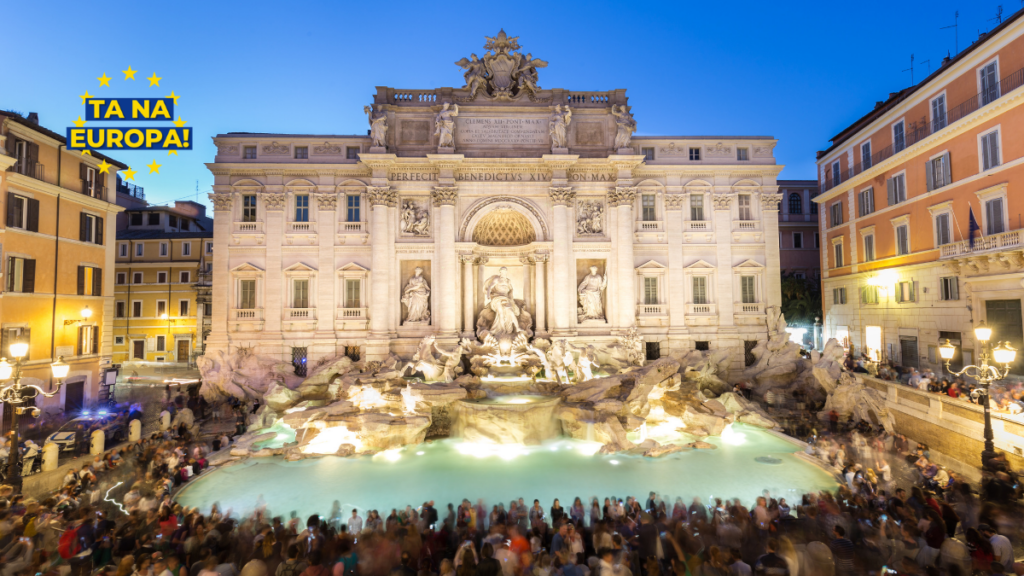
The Trevi Fountain is one of the most visited landmarks in Europe. Every year, millions of tourists pass through the small square, often creating heavy crowding, safety issues, and damage risks to the monument itself. Local authorities have been under pressure for years to find a balance between free access and preservation.
The €2 fee is part of a wider strategy to control overcrowding in Rome’s historic center. Instead of closing the site or limiting visitors completely, the city chose a middle solution. Visitors can still see the fountain for free from the square, but closer access to the basin area is now regulated during specific hours.
This approach allows the city to protect the monument while keeping tourism active. It also creates a new source of funding that can be reinvested in maintenance, security, and crowd management.
What Exactly the €2 Fee Covers
The new fee does not apply to the entire square. It is limited to a controlled area close to the fountain, where most people traditionally stop to take photos and throw coins into the water.
With the ticket, visitors can:
- Stand close to the fountain basin
- Throw a coin following the traditional ritual
- Take photos without heavy crowd pressure
Without the ticket, visitors can still:
- See the fountain from the surrounding area
- Take photos from outside the controlled zone
- Visit the square freely during open hours
This distinction is important because many people believe the fountain itself is now fully paid, which is not true.
How Access Control Works During the Day
The controlled access applies during peak hours, generally from 9:00 to 22:00, with slight variations depending on the day of the week. After 22:00, barriers are removed and access becomes free again for everyone.
This system encourages visitors to plan their visit better. Early mornings and late evenings are now more attractive for people who prefer free access and a calmer experience. During busy hours, the ticket helps reduce pressure on the site.
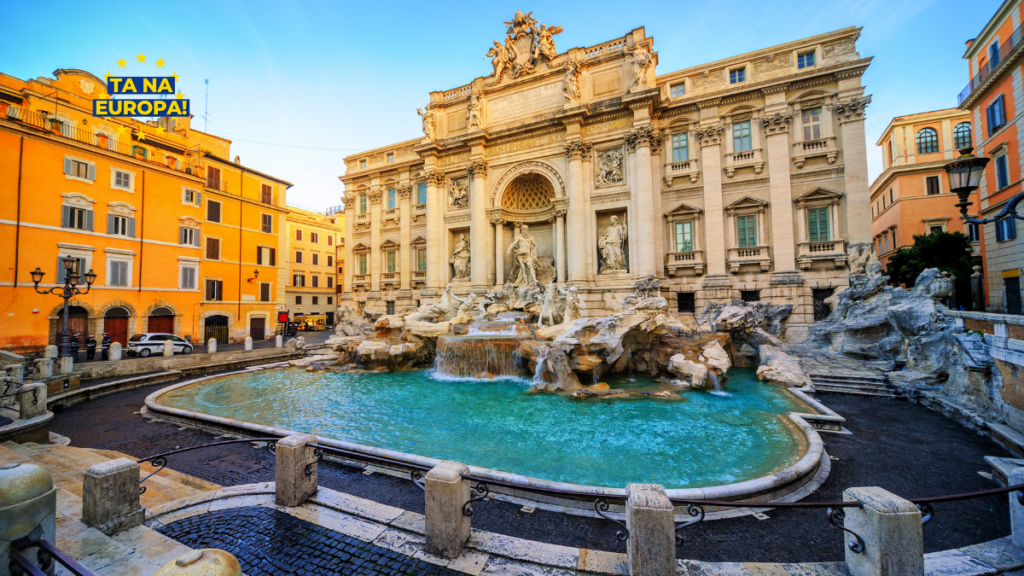
For Rome, this also makes visitor flow more predictable, improving safety and organization in one of the city’s busiest spots.
Who Is Affected by the New Rule
The €2 fee mainly affects tourists and short-term visitors. Residents of Rome are generally exempt, as are children under a certain age and visitors with specific accessibility needs.
For travelers, the cost itself is low, but it adds to a growing list of small expenses that now appear in many European destinations. When combined with city taxes, museum fees, and transport costs, these changes can affect travel budgets.
Visitors who plan carefully can avoid the fee by choosing off-peak hours, while those who value comfort and close access may consider it a fair price.
The Economic Impact Behind a Small Fee
Even a small charge can generate significant revenue when applied to millions of visitors. Current estimates point to annual revenue between €6 and €7 million. Rome collects large amounts of coins from the fountain every year, but the new ticket creates a more structured income stream.
This money can be used for:
- Monument conservation
- Cleaning and restoration work
- Hiring staff for crowd control
- Improving visitor safety
From an economic point of view, the fee supports long-term sustainability without relying only on public budgets.
Coin Throwing Tradition and What Changed in Practice
The tradition of throwing a coin into the Trevi Fountain is still alive. The belief that a coin guarantees a return to Rome remains part of the experience.
What changed is the way people access this ritual. Visitors now need to decide if they want to pay for closer access or adapt their visit time. Some tourists try to throw coins from outside the barriers, but authorities are monitoring this behavior.
Over time, visitors may adjust naturally, choosing quieter hours or accepting the small cost as part of the experience.
Comparing Rome With Other European Cities
Rome is not alone in introducing new visitor rules.
Similar changes are already affecting people who plan to live, study, or work in Europe, a topic explored in depth at https://tanaeuropa.com/as-melhores-cidades-da-europa-para-estudar-e-trabalhar-em-2025-vao-te-surpreender/. Other European destinations have already taken similar steps.
Venice applies entry controls on peak days.
The Pantheon introduced paid access years ago.
Major museums across Europe increased ticket prices to manage demand.
Compared to these cases, Rome’s €2 fee remains relatively low. However, it signals a clear shift in how cities manage iconic public spaces.
What Tourists Need to Consider When Planning a Visit
When planning a trip to Rome, travelers should now consider:
- Time of day for visiting the Trevi Fountain
- Small additional costs in tourist areas
- Crowd levels during peak hours
For budget travelers, choosing free access hours may be the best option. For those focused on comfort, photos, and experience, the fee may be worth it.
This decision is no longer automatic. Visitors must actively choose how and when to experience one of Rome’s most famous landmarks.
Readers who want to understand how travel costs and tourism rules vary across Europe can also explore related content on Ta Na Europa, such as https://tanaeuropa.com/descubra-os-10-paises-mais-baratos-para-morar-na-europa-em-2024-custos-de-aluguel-e-salarios/ and https://tanaeuropa.com/como-funciona-o-custo-de-vida-na-europa-em-2026/.
Costs, Tourism Pressure, and Long-Term Risks
The biggest risk is not the €2 fee itself, but how similar measures may spread. If more landmarks introduce access fees, travel costs could rise slowly but consistently.
On the other hand, without regulation, many historic sites face serious damage. The Trevi Fountain decision shows a controlled approach instead of drastic restrictions.
Cities across Europe are watching closely to see if this model works.
How This Affects Travelers Living or Staying in Europe
For people living in Europe or traveling frequently, these changes are part of a broader reality.
Those considering a long-term move often face similar adjustments in daily life, as discussed in https://en.tanaeuropa.com/is-europe-a-good-place-to-live-pros-cons-and-real-expectations/. Tourism rules are becoming more structured, data-driven, and focused on sustainability.
Readers interested in understanding broader travel realities in Europe can explore related content published on Ta Na Europa. These topics help place the Trevi Fountain decision within a larger European context.
Possible Future Scenarios for Historic Sites
If the system proves successful, similar access controls may appear in other high-traffic locations. Cities may prefer small fees over strict limits or full closures.
Future systems could include:
Readers interested in how tourism policies connect with quality of life and long-term planning in Europe may also find value in https://tanaeuropa.com/como-e-morar-na-europa-hoje-realidade-e-expectativas/.
- Timed access slots
- Dynamic pricing during peak seasons
- Resident priority access
The Trevi Fountain may be just the beginning of a new tourism management model.
Conclusion of Ta Na Europa!
The €2 access fee at the Trevi Fountain is not about charging tourists for tradition. It is about managing pressure, protecting heritage, and adapting tourism to modern realities.
For visitors, the change means more planning and awareness. For Rome, it offers a way to preserve one of its most valuable symbols without losing accessibility.
Small costs often signal bigger shifts. Understanding them helps travelers make better decisions and avoid surprises when exploring Europe.
Headline character count: 56
Total article character count: 11,214
Trevi Fountain access fee begins in Rome to fight overtourism – https://www.euronews.com/travel/2026/02/02/rome-tourists-will-have-to-pay-to-get-up-close-to-the-trevi-fountain-next-year
Rome introduces €2 charge to access Trevi Fountain area – https://www.theguardian.com/world/2026/feb/02/rome-trevi-fountain-fee-tourists
Rome starts charging tourists to get close to Trevi Fountain – https://www.rte.ie/news/newslens/2026/0202/1556370-trevi-fountain-charge/
