
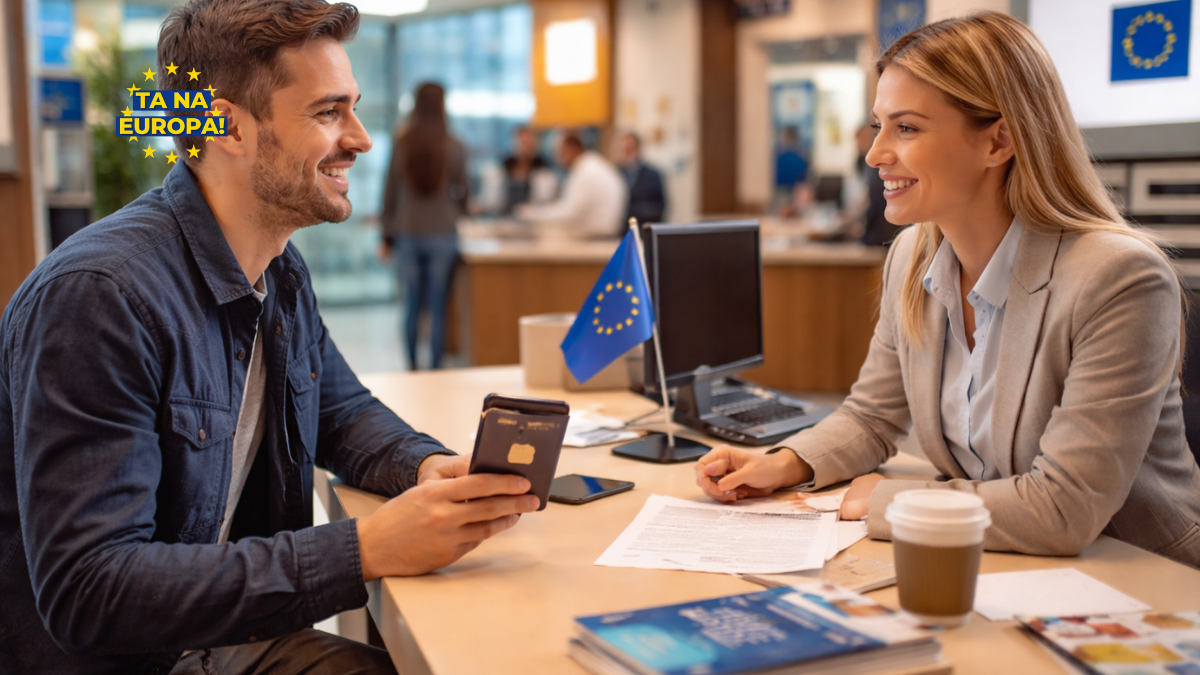
Moving to Europe comes with many small but critical steps, and opening a bank account is one of the first. It sounds simple, but for foreigners, the process often feels slow, confusing, and full of hidden rules. This article explains how banking really works across Europe, what changes from country to country, and what most people only discover after arriving.
Why opening a bank account is harder than it looks
For locals, opening a bank account is routine. For foreigners, banks apply extra checks due to European financial regulations. These rules aim to prevent fraud and financial misuse, but they also create real barriers for people who are new to the region.
Banks must confirm who you are, where you live, and why you need an account. If any document is missing or unclear, the process can stop immediately. This is one of the main reasons why many newcomers feel stuck during their first weeks in Europe.
Another issue is that rules are not the same everywhere. Even inside the European Union, each country applies banking laws differently. What works in Ireland may fail in Germany. What is accepted in Spain may be rejected in France.
Who is affected by these banking rules
Foreigners of all profiles face these challenges, not only tourists or short-term visitors. People moving for work, study, family reunification, or long-term residence are all impacted.
This affects:
- Non-European residents
- EU citizens living outside their home country
- Students and recent graduates
- Remote workers and freelancers
- People in the process of changing visa status
In many cases, you need a bank account before you can get paid, rent a home, or even register with local authorities. This creates a circular problem where you need an address to open an account, but you need an account to secure housing.
What documents banks usually ask for
Most European banks request similar documents, but the strictness varies.
Proof of identity
A valid passport is mandatory. Some banks accept national ID cards for EU citizens, but passports are safer for foreigners.
Proof of address
This is the most difficult requirement. Banks often ask for a utility bill, rental contract, or official government letter. Temporary accommodation, hotels, or Airbnb bookings are often rejected.
Proof of legal stay
Depending on the country, banks may ask for a visa, residence permit, or registration certificate. This is especially common in countries with strict immigration controls.
Proof of income or purpose
Some banks ask why you need the account. Employment contracts, university letters, or business registration documents can help.
How banking rules differ across Europe
Europe is not a single banking system. Each country applies European directives in its own way.
Northern and Western Europe
Countries like Ireland, Germany, and the Netherlands are known for strict compliance. Banks often follow internal policies that go beyond legal requirements. This leads to longer waiting times and more document requests.

In Ireland, for example, newcomers often struggle during their first weeks. Many need guidance on visas and residency rules, which are explained in detail in related articles on tanaeuropa.com about legal stay and work permissions, such as https://tanaeuropa.com/tipos-de-vistos-para-morar-na-europa-qual-escolher-em-cada-situacao/.
Southern Europe
Countries such as Spain, Italy, and Portugal tend to be more flexible, especially for EU citizens. However, non-European residents may still face delays and additional checks.
Some banks allow account opening with a temporary address, but this is not guaranteed and depends on the branch.
Eastern Europe
In some Eastern European countries, banking can be faster, but English support may be limited. This creates another type of barrier for foreigners who do not speak the local language.
Traditional banks versus digital banks
One of the biggest changes in recent years is the rise of digital banks and fintech companies.
Traditional banks
Traditional banks offer stability, full services, and local credibility. They are often required for salaries, mortgages, and government payments. However, they usually require in-person appointments and strict documentation.
Digital banks and fintechs
Digital banks operate online and often allow foreigners to open accounts with fewer documents. This is why many newcomers start with a digital account while waiting to meet the requirements of a traditional bank.
These services are popular among people who arrive before securing permanent housing or a long-term visa.
Costs and hidden fees you should expect
Banking in Europe is not always free. Monthly maintenance fees, card fees, and transaction charges are common.
Some banks offer free accounts, but only under specific conditions, such as minimum income or regular deposits. Foreign currency transfers can also be expensive, especially for people paid from outside Europe.
Understanding these costs is essential to avoid surprises, especially for students and workers managing tight budgets. Articles on tanaeuropa.com about cost of living and salaries across Europe provide useful comparisons that help with financial planning, such as https://tanaeuropa.com/descubra-os-10-paises-mais-baratos-para-morar-na-europa-em-2024-custos-de-aluguel-e-salarios/ and https://tanaeuropa.com/quanto-custa-morar-na-europa-entenda-os-principais-gastos-em-diferentes-paises/.
What changes when your visa or status changes
Many foreigners do not realize that banks may review your account when your visa expires or changes. In some countries, banks freeze or limit accounts if residency documents are no longer valid.
This is why it is important to update your bank as soon as your status changes. Ignoring this can lead to blocked cards, rejected payments, or account closure.
Future trends and what to expect next
European banking is moving toward stricter digital checks and data sharing between institutions. This may improve security but can also increase complexity for foreigners.
At the same time, competition between banks and fintechs is growing. This pressure may lead to simpler onboarding processes and better services for international residents.

The balance between regulation and accessibility will define how easy banking becomes for foreigners in the coming years.
Common mistakes foreigners make
Many people assume that one bank rejection means failure everywhere. In reality, rules vary by branch and institution. Others wait too long to open an account and delay their ability to work or rent.
Planning ahead, understanding requirements, and using temporary solutions can save time and stress.
Conclusion do Ta Na Europa!
Opening a bank account in Europe is not impossible, but it requires patience and preparation. Understanding the rules, knowing what documents matter, and choosing the right type of bank can make a huge difference. With the right information, foreigners can avoid delays and start their life in Europe with fewer obstacles.
Sources and references
Opening a bank account in the EU as a non-resident – European Commission – https://europa.eu/youreurope/citizens/consumers/financial-products-and-services/bank-accounts/index_en.htm
How banks verify customers and why it matters – Financial Times – https://www.ft.com/content/2c9a5c9a-8b0b-11ea-9dcb-fe6871f4145a
Digital banks and financial access in Europe – Euronews – https://www.euronews.com/next/2023/05/12/digital-banks-in-europe-how-they-are-changing-access-to-financial-services
