
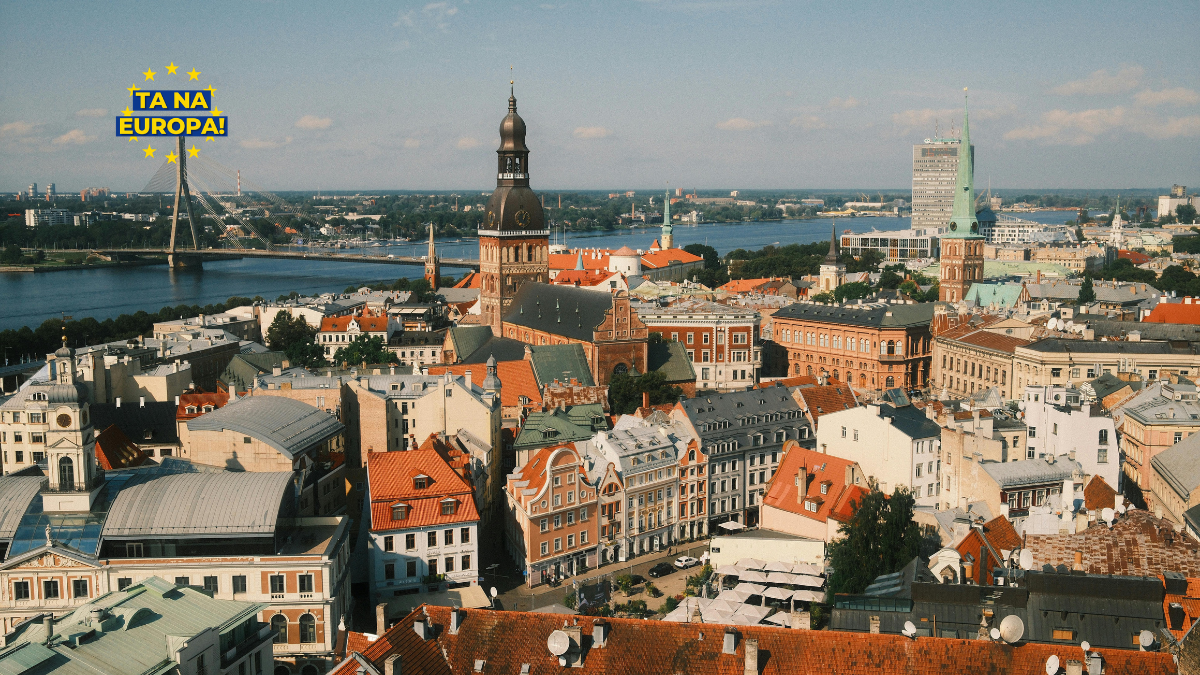
Studying in Europe is not a single experience. The continent offers very different realities depending on where you choose to live and study. Northern Europe and Southern Europe attract international students for very different reasons, and the choice between them can change your costs, lifestyle, and future opportunities.
This article explains what really changes when you compare Northern and Southern Europe as a student, focusing on costs, lifestyle, and future opportunities without oversimplifying the reality. We look at tuition fees, cost of living, quality of life, work options, and what happens after graduation. The goal is simple: help you understand where your money goes and what you get in return.
Understanding the Difference Between Northern and Southern Europe
Europe is often seen as one education market, but that is not how it works in practice. Each region has its own economic model, social structure, and approach to higher education.
Northern Europe usually refers to countries like Sweden, Denmark, Finland, Norway, Iceland, the Netherlands, and sometimes Germany and Ireland. These countries are known for strong public systems, high salaries, and higher living costs.
Southern Europe usually includes Spain, Portugal, Italy, Greece, and parts of Southern France. These countries are popular for lifestyle, climate, and lower daily expenses, but salaries and post-study opportunities can be more limited.
Understanding this regional gap is the first step before comparing numbers.
Tuition Fees in Northern Europe: What Students Really Pay
In Northern Europe, tuition fees depend heavily on your nationality. EU and EEA students often study for free or pay very low fees at public universities. Non-EU students usually face higher tuition costs.
Countries like Sweden, Denmark, Finland, and the Netherlands charge non-EU students annual fees that often range from 8,000 to 20,000 euros. Programs in technology, engineering, and business are usually more expensive.
Ireland and the Netherlands are slightly different cases. Ireland has higher tuition fees even for EU students, while the Netherlands offers many English-taught programs with mid-range fees.
The key point is that Northern Europe treats education as a long-term investment. High fees are often linked to strong infrastructure, modern campuses, and close links with the job market.
Tuition Fees in Southern Europe: Lower Entry Cost, Different Structure
Southern European countries are known for lower tuition fees, especially at public universities. Spain, Portugal, and Italy often charge between 2,000 and 6,000 euros per year, even for non-EU students, depending on the program and institution.
Some regions apply income-based systems, meaning fees depend on family income rather than nationality. This can be attractive for students with limited budgets.
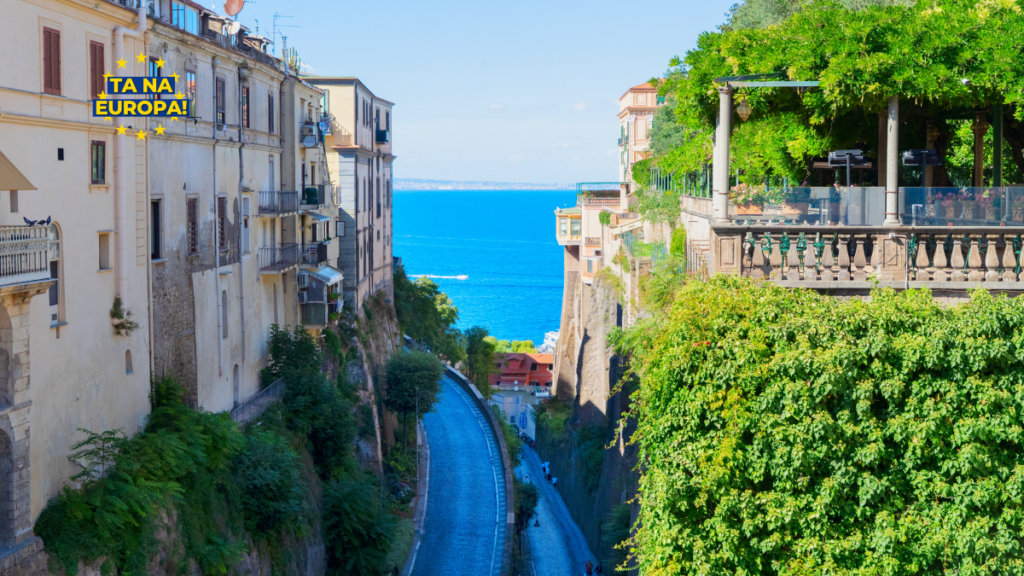
However, many programs are still taught in the local language. English-taught degrees exist but are fewer compared to Northern Europe. This can affect both academic choice and future employability.
Lower tuition does not mean lower quality, but it does change the overall value equation when combined with work options and salaries.
Cost of Living in Northern Europe: High Expenses, High Standards
For a deeper comparison of real costs faced by international students, readers can also explore this related analysis on living expenses across Europe.
Living costs in Northern Europe are among the highest in the world. Rent, food, transport, and services are expensive, especially in capital cities.
Monthly student budgets in cities like Stockholm, Copenhagen, or Helsinki often range from 900 to 1,400 euros. Housing is usually the biggest challenge, both in price and availability.
That said, public services are strong. Transport works well, cities are safe, and student support systems are efficient. Many students also work part-time, with wages that help balance expenses.
Higher costs come with higher predictability. Bills, contracts, and rules are usually clear and well enforced.
Cost of Living in Southern Europe: Affordable but Uneven
If you are considering specific destinations and real student budgets, this article expands on how costs change depending on the country and city.
Southern Europe is more affordable for daily life. Rent, food, and social activities cost less, especially outside major tourist cities.
Students in Spain, Portugal, or Italy often live on 800 to 1,200 euros per month, depending on the city and housing situation. Shared housing is common, and eating out is more accessible.
However, lower costs can come with trade-offs. Public transport may be less reliable, bureaucracy can be slower, and student housing systems are less organized.
Affordability is a strong advantage, but students must be ready for more informal systems.
Lifestyle and Quality of Life: Structure vs Flexibility
Lifestyle is where the regional contrast becomes very clear. Northern Europe offers structure, planning, and balance. Time management, punctuality, and personal space are valued.
Southern Europe offers social life, flexibility, and a slower pace. Community, family, and outdoor life play a bigger role in daily routines.
Neither is better by default. Some students feel more productive in structured environments. Others thrive where social interaction and flexibility are part of life.
Your personal profile matters more than rankings or marketing slogans.
Working While Studying: Rules and Real Opportunities
Students who plan to work during their studies often underestimate how different the rules and wages can be across Europe. This guide explains real conditions, especially in popular destinations like Ireland.
Most European countries allow students to work part-time, but the real opportunity depends on wages and job availability.
In Northern Europe, part-time wages are high. Even limited working hours can cover a large part of living costs. Jobs in services, logistics, and tech support are common.
In Southern Europe, student jobs exist but pay less. Many students rely more on savings or family support. Informal work is more common but carries risks.
For students who need to work to survive, Northern Europe usually offers better conditions.
Post-Study Opportunities: Where Education Turns Into Career
Post-study options are a decisive factor for many international students. This related article explores how education connects to real career opportunities in Europe.
One of the biggest differences appears after graduation. Northern Europe invests heavily in retaining international talent.
Countries like Ireland, the Netherlands, and Sweden offer post-study work options that allow graduates to stay, find jobs, and transition into work visas.
Salaries are higher, and companies are used to hiring international graduates. This makes the return on investment more predictable.
In Southern Europe, post-study options are more limited. Job markets are competitive, salaries are lower, and sponsorship is less common.
For students thinking long term, this difference is critical.
Language and Integration: An Often Ignored Factor
Language requirements and integration challenges vary widely across countries. This overview helps readers understand how language impacts work and daily life after graduation.
Northern European countries offer more programs in English and use English widely in professional environments. This lowers the language barrier.

Southern Europe often requires local language skills for work and daily life. Learning the language is possible and rewarding, but it takes time.
Students who ignore language reality often struggle after graduation.
Which Region Makes More Sense for Your Goals
There is no universal answer. Northern Europe suits students focused on career, income, and long-term residence. Southern Europe suits students focused on experience, affordability, and lifestyle.
Your decision should balance:
- Budget and financial support
- Career goals after graduation
- Willingness to learn a new language
- Lifestyle preferences
Choosing the wrong region can increase stress and reduce opportunities.
Hidden Costs and What Nobody Tells You
Tuition and rent are not the only costs. Health insurance, residence permits, deposits, and relocation expenses add up quickly.
Northern Europe is expensive but transparent. Southern Europe is cheaper but sometimes unpredictable.
Understanding these hidden factors avoids unpleasant surprises.
Future Trends: What May Change in the Next Years
European education is becoming more competitive. Tuition fees may rise, and post-study rules may tighten in some countries.
At the same time, demand for skilled workers remains strong, especially in Northern Europe.
Students who plan early and choose strategically will benefit the most.
Conclusion do Ta Na Europa!
For readers who want to verify data and explore broader European comparisons, the sources below provide updated and reliable overviews of studying in Europe.
Studying in Europe for free or low tuition fees – https://www.study.eu/article/study-in-europe-for-free-or-low-tuition-fees
Tuition fees at universities across Europe overview and comparison – https://www.mastersportal.com/articles/405/tuition-fees-at-universities-in-europe-overview-and-comparison.html
Complete cost breakdown of studying in Europe tuition and living – https://gradright.com/complete-cost-breakdown-of-studying-in-europe/
Studying in Europe is a powerful opportunity, but the region you choose matters more than many people think. Northern and Southern Europe offer very different paths, costs, and outcomes.
Understanding these differences helps you invest your time and money wisely, not just emotionally.
Choosing with clear information is the real advantage.
