

Studying in Europe is often linked to big names like the UK, Germany or France. But many students ignore smaller countries that offer strong universities, lower costs and real opportunities after graduation. In this article, I explore why Estonia, Slovenia, Malta, Lithuania and Latvia can be smart choices if you are planning to study abroad and want better value for your money.
If you are also comparing general living expenses across the continent, you may want to check this detailed breakdown of affordable destinations in Europe: https://tanaeuropa.com/descubra-os-10-paises-mais-baratos-para-morar-na-europa-em-2024-custos-de-aluguel-e-salarios/
Why Smaller European Countries Are Gaining Attention
When people search for study abroad options, they usually focus on large economies. The problem is simple: higher competition, higher tuition fees and rising living costs. In countries like the United Kingdom, tuition alone can go above 15,000 euros per year for international students, depending on the university and the program.
But what happens if you look beyond the obvious?
Countries like Estonia and Lithuania have invested heavily in digital infrastructure and modern universities. Slovenia and Latvia offer respected public institutions with competitive tuition structures. Malta, despite being small, has strong English-speaking programs and a growing private education sector.
The question is not whether these countries are good. The real question is why so many students still ignore them.
If you want to understand how student visa rules differ across Europe, this guide can help you compare procedures and documentation requirements: https://tanaeuropa.com/como-funciona-o-visto-de-estudante-na-europa-regras-e-dicas/
What Makes These Countries Different From UK or Germany
The biggest difference is cost structure and market pressure.
In Germany, public universities may charge low or no tuition for certain groups, but living costs in cities like Berlin or Munich are high and continue to rise. In the UK, both tuition and housing are expensive. France also has increasing living expenses in major cities.
In smaller countries, the balance is different.
- Lower tuition in many public institutions compared to large Western economies
- Affordable private colleges in selected sectors
- Lower rent in many student cities when compared to capitals like London or Dublin
- Less pressure in the housing market in secondary cities
For example, in Estonia, non EU tuition fees in public universities often range from around 3,000 euros to above 6,000 euros per year depending on the program. In Lithuania and Latvia, bachelor and master programs can start below 3,000 euros in some fields but may also reach higher values in areas like medicine or dentistry. Slovenia offers public education with varied tuition depending on degree level and faculty. Malta’s private colleges may cost more in some cases, but living expenses are often still below those of major UK cities.

If you are comparing total annual cost, not just tuition, the numbers become more realistic and more interesting.
For a broader comparison between education costs and average salaries across Europe, you can explore this analysis: https://tanaeuropa.com/comparativo-taxa-de-educacao-superior-e-salario-medio-na-europa/
Tuition Fees: What Nobody Explains Clearly
Many students only look at tuition. That is a mistake.
The real cost of studying abroad includes:
- Tuition
- Health insurance
- Residence permit fees
- Accommodation
- Transportation
- Food and daily expenses
In countries like Latvia and Lithuania, tuition for business or IT programs can fall within the 2,500 to 6,000 euros range, depending on the institution. In Estonia, many programs are positioned between mid and upper four digit annual fees. Slovenia and Malta also present wide ranges depending on course and degree level.
Now compare that with UK private tuition, which can easily go above 15,000 euros per year and may reach significantly higher amounts for certain courses.
Even if you add living costs, smaller countries can remain financially competitive overall.
To understand student living expenses in more detail, this cost of living guide for European cities provides additional context: https://tanaeuropa.com/guia-de-custos-de-vida-em-cidades-europeias-para-estudantes/
This cost advantage increases your chances of staying longer without financial stress. And that matters a lot for international students who depend on careful budget planning.
Health Insurance and Visa Rules: What Actually Applies
Another hidden factor is regulation.
In many smaller European countries, student residence processes are structured and transparent, but they are not necessarily simpler. Each country has its own requirements, proof of funds and insurance rules.
In Estonia, international students can work during their studies without a strict hourly limit, as long as work does not interfere with academic progress. In Latvia, students typically face limits during the academic term, often around 20 hours per week, with more flexibility during holidays. Slovenia allows student work under specific frameworks linked to student status. Malta permits part time work during studies under defined conditions.
Health insurance is mandatory across Europe. Baltic countries and Slovenia usually require either local public insurance registration or private coverage that meets national standards. Malta also requires valid insurance, and many institutions guide students through this process.
Lower population size does not automatically mean faster processing times. Timelines depend on nationality, demand and documentation quality.
Employment Opportunities After Graduation
Studying is not just about the degree. It is about what comes next.
Estonia is known for its technology driven environment and digital economy. Lithuania has a growing fintech and shared services sector. Latvia continues to develop in logistics and IT services. Slovenia has a stable economy inside the European Union framework. Malta has strong sectors in tourism, financial services and gaming.
Post study residence options exist in different formats depending on the country. In many cases, graduates may apply to change their residence status if they secure a job offer that meets national salary or qualification requirements.
Because these markets are smaller, job opportunities are also smaller in absolute numbers. Competition may be lower in some niches, but it can also be intense in limited sectors. This is a trade off that students must consider carefully.
If your goal is to remain in Europe after graduation, this overview of employment pathways can give you more strategic insight: https://tanaeuropa.com/emprego-apos-estudos-na-europa-melhores-paises-para-trabalhar/
So the real question becomes strategic: would you rather compete in a very large and saturated capital, or explore a smaller but potentially less crowded professional ecosystem?
Cost of Living: The Hidden Multiplier
Living costs directly affect financial stability.
In cities like Tallinn, Riga, Vilnius or Ljubljana, rent for a student room is often lower than in Dublin, London or Paris, although prices can vary significantly depending on location and housing type. Malta can be more expensive in tourist areas, but many students still find overall costs manageable compared to larger Western European cities.
Lower rent can mean:
- Less financial pressure
- Reduced need for excessive part time work
- More time to focus on studies
- Better quality of life balance
When calculating return on investment, these details matter more than most students think.
Quality of Education and Recognition
Estonia, Latvia, Lithuania and Slovenia are members of the European Union. Their higher education systems follow the Bologna framework, which supports comparability of degrees across Europe. Malta also follows European higher education standards and offers many English taught programs.
This does not mean automatic professional recognition in regulated professions, but it does mean academic degrees are structured under a shared European framework that facilitates mobility.
The idea that only large countries provide strong education is outdated. Smaller systems often focus on specialization and targeted programs aligned with their economies.
Why Fewer People Talk About These Destinations
Most online discussions about studying in Europe focus on the UK, Germany and France. That creates a perception that these are the only serious options.
Smaller countries receive less media attention in English, but that does not reduce their academic value. In fact, for some students, this lower visibility may represent a strategic opportunity.
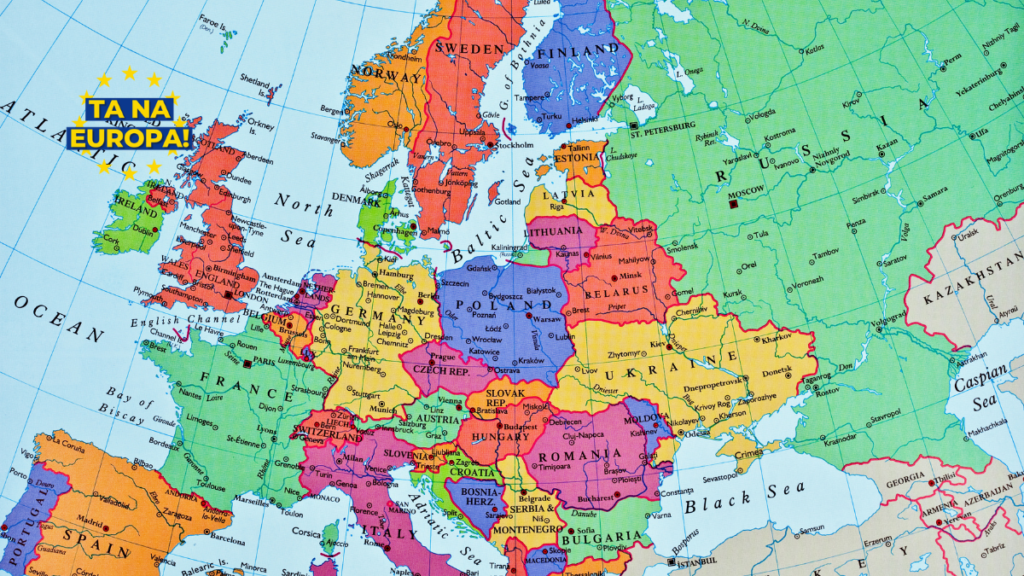
Students researching Estonia, Slovenia or Lithuania often do so with clear intention. They are not browsing casually. They are looking for realistic alternatives that combine cost control with European degree recognition.
Risks and Practical Considerations
Of course, not everything is perfect.
Smaller countries may offer:
- Smaller labor markets
- Limited diversity of programs in very specific fields
- Fewer direct international flight connections
- Smaller international communities in certain cities
Climate can also be colder in Baltic countries, which may affect lifestyle adaptation.
These factors do not make the option worse. They simply mean that careful research and planning are essential.
Who Should Seriously Consider These Destinations
These countries may be ideal for:
- Students with limited budgets who need predictable annual costs
- Students in tech, business, logistics or finance related programs
- Students open to emerging markets within the European Union
- Students who value lower living pressure over global city prestige
If your main goal is brand prestige only, you may still prefer globally famous institutions. But if your goal is financial balance, European mobility and realistic career positioning, smaller European countries deserve serious analysis.
Conclusion of Ta Na Europa!
Studying in smaller European countries is not a second option. For many students, it can be a strategic decision.
Lower tuition ranges, manageable living costs, European academic structure and growing sector specific job markets create a balanced package that many overlook. Estonia, Slovenia, Malta, Lithuania and Latvia may not dominate international headlines, but they offer practical advantages that directly impact your budget and your future planning.
Before choosing the most obvious destination, compare total annual cost, residence rules and employment pathways. Sometimes the best opportunity is the one that fewer people are talking about.
Study in Estonia — official national guide to higher education in Estonia — https://www.studyinestonia.ee/
Study in Europe for free or low tuition fees — https://www.study.eu/article/study-in-europe-for-free-or-low-tuition-fees
Student visas in Europe — what you need to know — https://education.ec.europa.eu/education-levels/higher-education/inclusive-and-connected-higher-education/student-visas
