
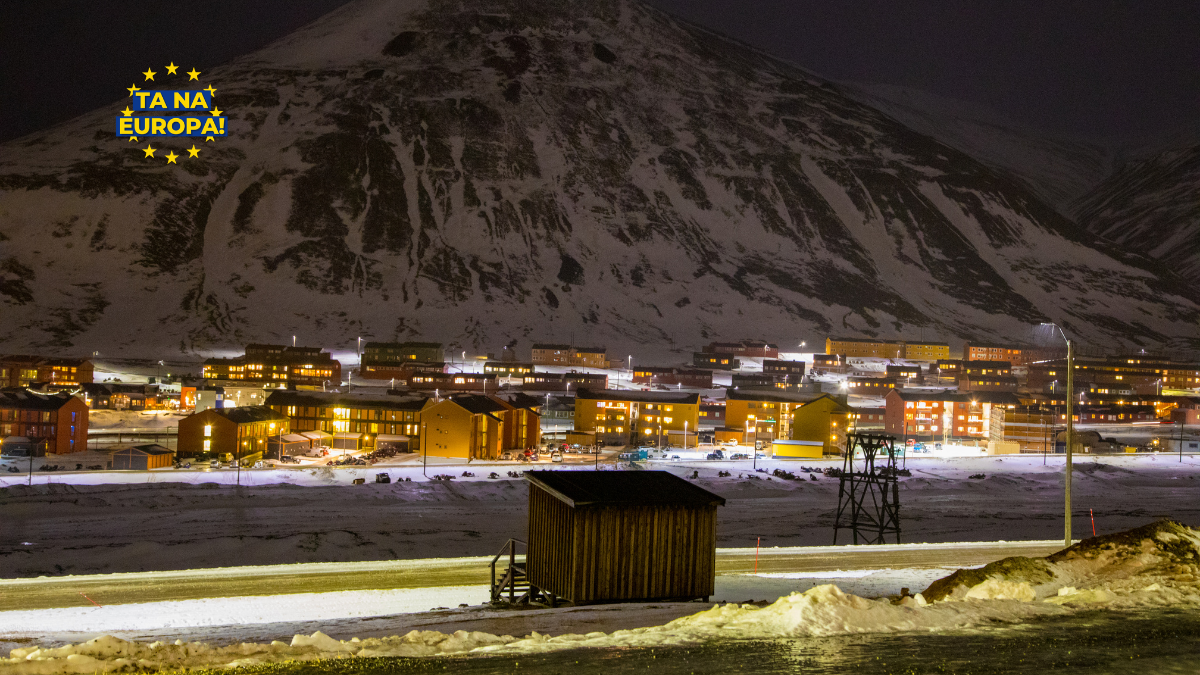
Svalbard is often mentioned as a unique place on the map of Europe. It is remote, cold, and very different from what most people imagine when they think about moving abroad. Still, this Norwegian archipelago has one rule that makes it stand out from every other place in the world. Anyone, from any country, can live and work there without a visa. This article explains what that really means, what changes in practice, who is affected, and what nobody tells you before you think about packing your bags.
Understanding Svalbard’s Unique Legal Status
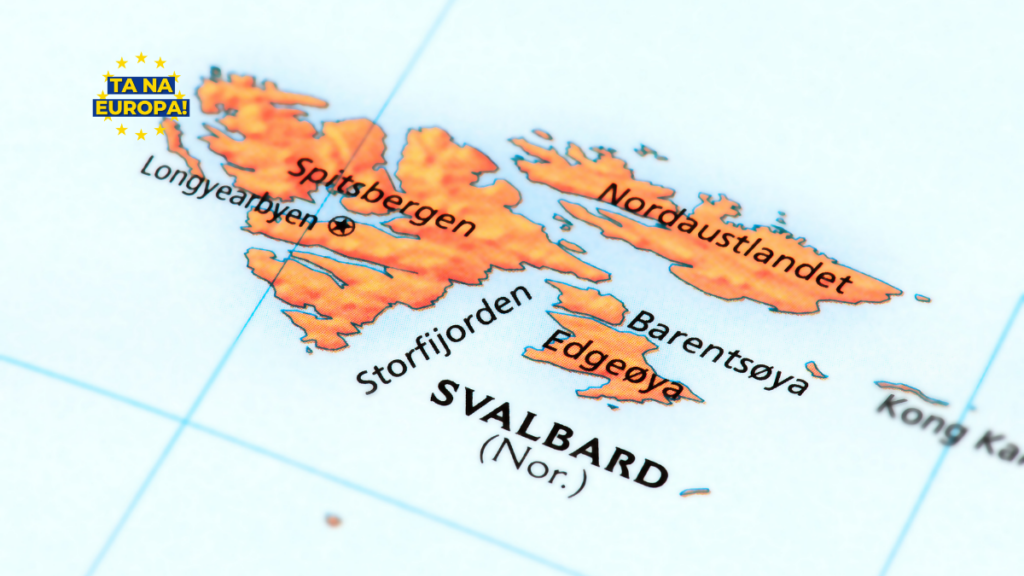
Svalbard belongs to Norway, but it does not follow the same rules as mainland Norway. This difference comes from the Svalbard Treaty, signed in 1920 and still valid today. Under this treaty, citizens of all signatory countries have equal rights to live, work, and conduct business on the islands.
This is why Svalbard is often described as a place where immigration rules do not apply in the traditional sense, even though basic local regulations and financial requirements still exist. There is no residence permit, no work visa, and no nationality restriction. On paper, this sounds like full freedom of movement.
However, legal freedom does not mean practical simplicity. Svalbard operates under its own system, and daily life there is shaped by limits that do not exist in most European cities.
Why No Visa Is Required to Live or Work in Svalbard
The absence of visa requirements is not a modern political decision. It is a direct result of international law. Norway is responsible for administration, but it cannot apply standard immigration controls on the islands.
This means:
- No work permit is required
- No residence card is issued
- No minimum stay limit is enforced
- Nationality does not matter
For people frustrated with visas, renewals, and long immigration processes in Europe, this rule alone sounds almost unreal.
What Changes Compared to Mainland Norway
Even though Svalbard is Norwegian territory, it is not part of the Schengen Area. This creates an important practical detail. To reach Svalbard, most travelers must pass through mainland Norway.
If you normally need a Schengen visa to enter Norway, you still need one just to travel to Svalbard. The visa-free rule applies only once you are there.
This distinction often causes confusion online and is rarely explained clearly in short social media posts.
Who Is Really Affected by This Rule
In theory, everyone is affected equally. In reality, the impact depends on your passport, your income level, and your ability to support yourself.
Svalbard does not offer a broad social welfare system open to everyone. If you lose your job or cannot support yourself financially or secure housing, the local authorities may ask you to leave. There is no government support to fall back on.
This is very different from what people expect when they think about Norway. On the islands, personal responsibility is not optional.
Jobs, Salaries, and the Reality of Work in Svalbard
Employment opportunities are limited. The economy is small and focused on specific sectors:
- Tourism
- Research and education
- Mining and energy
- Logistics and services
Most jobs are seasonal. Salaries can be high compared to other European regions, but the cost of living is also high. Food, transport, and basic goods are expensive due to logistics and climate.
Unlike mainland Norway, there is no large job market where you can easily change careers or find backup employment.
Housing: The Biggest Challenge Nobody Talks About
Finding a place to live is often harder than finding a job. Housing is limited, and most properties are owned by employers or large organizations.
Private rentals are rare, and prices are high. Many jobs include accommodation as part of the contract. Without this, settling in Svalbard becomes extremely difficult.
This is a key difference from other European destinations discussed on Ta Na Europa, such as working in mainland Norway or other Nordic countries.
Cost of Living and Daily Expenses
Life in Svalbard is expensive, even by Norwegian standards. Almost everything is imported.
Basic expenses include:
- High grocery prices
- Limited product variety
- Expensive transport
- Higher utility costs
Taxes are lower than in mainland Norway, which helps balance some of these costs. Still, living there requires careful financial planning.
Climate, Isolation, and Mental Health Considerations
The Arctic climate is not just cold. It affects daily routines, social life, and mental well-being.
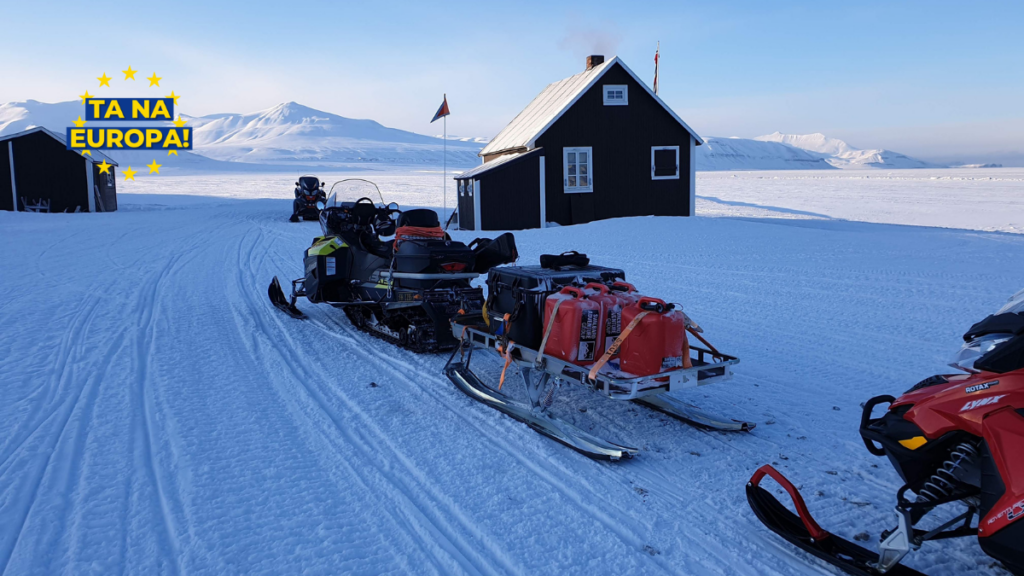
Long periods of darkness in winter and constant daylight in summer can be difficult to handle. Social circles are small, and isolation is common.
For people used to large cities or strong community networks, this adjustment can be harder than any visa process.
Is Svalbard a Real Alternative to Immigration in Europe
Svalbard is not a shortcut to Europe. Living there does not lead to Norwegian residency, citizenship, or EU rights.
Time spent on the islands does not count toward permanent residence in Norway. This is a crucial detail often ignored in viral posts.
For long-term immigration plans, Svalbard is a dead end. For short-term experience, work, or adventure, it can be a unique opportunity.
Risks and Opportunities You Need to Understand
Opportunities:
- No visa or work permit
- Equal legal access regardless of nationality
- High salaries in specific sectors
Risks:
- No social protection
- Limited jobs and housing
- Extreme climate
- No path to European residency
Understanding this balance is essential before making any decision.
Conclusion from Ta Na Europa!
Svalbard is often described as a place of total freedom, but the truth is more complex. The lack of visa requirements removes one barrier, but many others remain. Cost, isolation, climate, and legal limitations make it suitable for very few profiles.
For those who understand the risks and have financial stability, it can be a unique life experience. For anyone looking for a stable immigration path in Europe, Svalbard is not the answer.
This is one of those cases where knowing the full picture matters more than the headline.
Future Scenarios and What Could Change Over Time
Although Svalbard’s legal framework has remained stable for decades, life on the islands is not frozen in time. Economic activity, climate conditions, and geopolitical interests in the Arctic are changing slowly but steadily. These factors may influence daily life even if the core principles of the Svalbard Treaty remain untouched.
Tourism has grown in recent years, bringing more short-term workers and seasonal contracts. Research activities linked to climate change, Arctic biodiversity, and satellite infrastructure are also expanding. This creates opportunities, but mostly for specialized profiles with experience or academic background.
At the same time, housing pressure has increased. As more people become curious about Svalbard due to online content, competition for accommodation grows. This reinforces the reality that legal access does not guarantee practical access.
Financial Planning Before Moving to Svalbard
Anyone considering life in Svalbard needs a solid financial plan before arrival. Unlike other European destinations, arriving without savings is risky.
You should consider:
- Having enough savings to cover several months without income
- Understanding that job contracts may be temporary
- Preparing for higher emergency costs due to isolation
Medical services exist, but serious cases require evacuation to mainland Norway. While basic healthcare is available, the system assumes that residents are financially independent.
Education, Family Life, and Long-Term Stay
Svalbard is not designed for traditional family migration. There are schools and basic services, but options are limited. Most residents are adults without children or families staying for a defined period.
There are no universities offering full degree programs, and long-term education plans usually require relocation back to mainland Norway or other countries.
For this reason, Svalbard rarely fits people looking to build a long-term family life in Europe.
Comparing Svalbard to Other Visa-Free or Easy-Access Options
When people search for visa-free places to live and work, they often compare Svalbard to countries with working holiday visas, temporary permits, or flexible residency rules.
The key difference is that Svalbard offers legal access without paperwork but removes safety nets. Other countries may require visas, but they usually provide clearer paths to stability, residency, and long-term integration.
This comparison highlights why Svalbard is unique but also limited as an immigration strategy.
Why Svalbard Goes Viral on Social Media
Short videos and posts often present Svalbard as a secret escape from immigration systems. This framing works well for attention but ignores context.
The idea of living without visas appeals to people tired of bureaucracy. However, social media rarely shows the full cost, the climate reality, or the absence of social protection.
Understanding why content goes viral helps explain why expectations often clash with reality once people look deeper.
Who Should Seriously Consider Svalbard
Svalbard may make sense for:
- Professionals with Arctic-related skills
- People seeking short-term work experiences
- Individuals with strong financial independence
- Those comfortable with isolation and extreme climates
It is not suitable for people who need stability, social support, or long-term immigration benefits.
Conclusion from Ta Na Europa!
Svalbard is a legal exception in a world full of borders and permits. The rule allowing anyone to live and work there without a visa is real, but it comes with conditions that are rarely explained clearly.
The islands demand resilience, financial discipline, and realistic expectations. For a small group of people, Svalbard can be an unforgettable experience. For most, it is better understood as a fascinating exception rather than a practical solution for building a new life in Europe.
Sources
Svalbard entry and residence rules explained by Norwegian authorities – https://www.sysselmesteren.no/en/entry-and-residence/
Living and working in Svalbard explained by Nordic cooperation portal – https://www.norden.org/en/info-norden/moving-or-travelling-svalbard
Why Svalbard is considered a visa-free zone regardless of citizenship – https://farandwide.com/s/svalbard-is-the-only-visa-free-zone-in-the-world-regardless-of-citizenship/
