

Living in Ireland is a real plan for many people looking for work, study, or a safer and more stable life in Europe. Many readers also compare Ireland with other European destinations before deciding, especially when looking at costs, salaries, and quality of life.
But before packing bags, one question always comes first: which visa makes sense for your situation? This guide explains the main Irish visa types in a simple and clear way, showing who is affected, what changes in practice, and what many people only discover after arriving.
Understanding the Irish visa system and why it matters
Ireland does not have one single visa for everyone. Each path has different rules, costs, limits, and long-term results. Choosing the wrong option can mean wasted money, blocked renewals, or years lost in your immigration plan. This is why understanding the system before applying makes a real difference.
Many people arrive focused only on entry permission, but the real impact comes later. Your visa defines if you can work, how many hours, whether family can join you, and if residency or citizenship is possible in the future.
Study visas in Ireland: who is affected and what changes
The study visa is one of the most common routes into Ireland. Ireland continues to attract international students not only for language courses, but also for its education system and post-study opportunities.
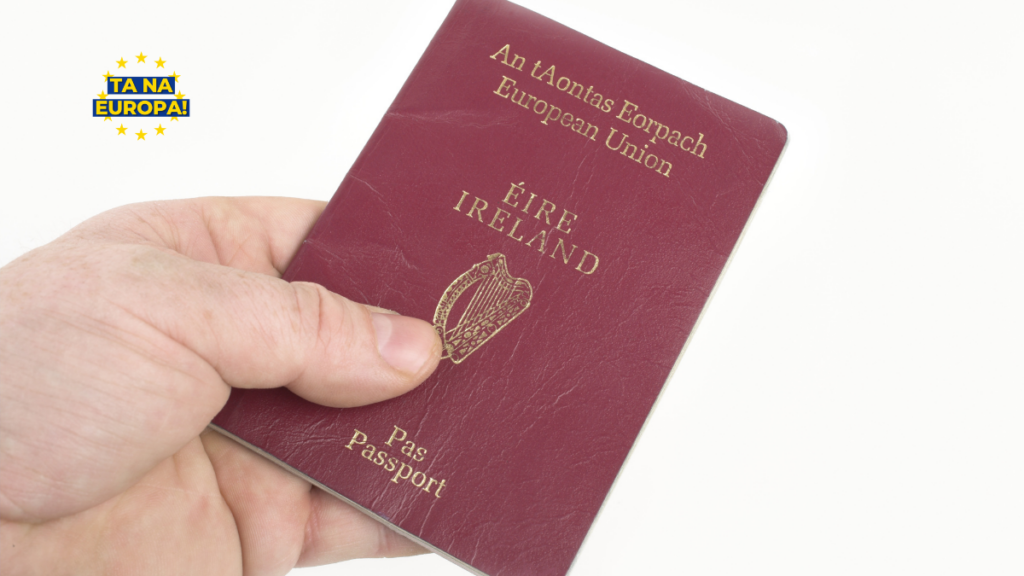
It is designed for people enrolled in recognized courses, especially English language programs and higher education.
English language study visa and Stamp 2
This option is popular because it combines education with limited work rights. Students can work part-time during term time and full-time during official holidays. The visa usually lasts eight months per course and has a maximum stay limit.
Costs are higher than many expect. Besides tuition, students must prove funds, pay immigration fees, and keep private health insurance. Many only realize later that repeated renewals are limited and long-term residency is not guaranteed.
Higher education study visa and long-term benefits
University and college programs open more doors. Graduates may qualify for post-study work permission, which allows full-time employment for a defined period. This route is often used by those planning to move into skilled jobs.
Compared to language courses, higher education visas involve higher tuition but better future opportunities. This balance between cost and long-term value is something many underestimate.
Work visas in Ireland: opportunities and real limitations
Work permits are attractive because they allow full-time employment, but they are also more complex. Many migrants compare work opportunities across Europe before choosing Ireland as their main destination. https://tanaeuropa.com/mais-de-16-milhao-de-brasileiros-vivem-na-europa-veja-os-10-paises-com-mais-imigrantes/
Not every job qualifies, and sponsorship is required.
Critical Skills Employment Permit: who really benefits
This permit targets high-demand professions. It offers faster access to residency and allows family reunification sooner. Salaries must meet minimum thresholds, which makes it less accessible for entry-level roles.
For those who qualify, it is one of the strongest immigration paths in Ireland. Taxes and social contributions apply, but stability and long-term security are major advantages.
General Employment Permit and its risks
This option covers a wider range of jobs but comes with stricter rules. Changing employers is limited, and renewal depends heavily on job continuity.
Many workers only realize later that this permit can delay family reunification and long-term residency progression if job continuity is broken. Since recent rule updates, changing employer may be possible after a minimum period on the first permit, but it remains subject to strict conditions. It can still work, but planning is essential.
Family visas: who can apply and what changes in daily life
Family-based visas depend on an existing legal resident or citizen in Ireland. Spouses, partners, and dependents may qualify, but proof requirements are strict.
Income levels, housing conditions, and relationship evidence are common barriers. Processing times can be long, and work rights may vary depending on the sponsor’s status.
Residency and long-term permission: what nobody explains clearly
Long-term residency is not automatic. For many migrants, residency planning is directly connected to future mobility, citizenship options, and passport strength within Europe.

https://tanaeuropa.com/irlanda-lidera-ranking-global-com-o-passaporte-mais-poderoso-em-2025/
It depends on continuous legal stay, type of visa, and compliance with immigration rules.
Some permissions count as reckonable residence toward long-term residency and citizenship, while others do not count at all, especially most student permissions. This detail affects future applications for permanent residence or citizenship.
Costs, taxes, and hidden expenses to consider
Beyond visa fees, living legally in Ireland involves taxes, insurance, renewals, and sometimes legal advice. These costs add up over time and affect real affordability.
Salaries may look attractive, but net income after tax and rent is what matters. Comparing Ireland with other European countries helps many newcomers adjust expectations about real purchasing power. https://tanaeuropa.com/descubra-os-10-paises-mais-baratos-para-morar-na-europa-em-2024-custos-de-aluguel-e-salarios/
Many newcomers adjust expectations after the first year.
Comparing visa options: what makes sense in each situation
There is no best visa, only the most suitable one. Students focused on experience may accept limits, while those planning long-term settlement should prioritize permits linked to residency.
Understanding timelines, work rights, and renewal risks helps avoid frustration later.
Possible future scenarios and policy changes
Irish immigration rules change based on labor needs and housing pressure. Some paths become stricter, others open temporarily. Staying informed is essential.
What works today may not work in two years, which is why flexibility and legal compliance are critical.
Conclusion do Ta Na Europa!
Choosing the right visa for Ireland is less about speed and more about strategy. The decision affects work options, family life, and long-term stability. Taking time to understand each path avoids costly mistakes and sets realistic expectations.
Irish long stay visa rules for study, work and family – https://www.ireland.ie/en/dfa/visas-for-ireland/
Come to Ireland to join family visa – https://www.irishimmigration.ie/coming-to-join-family-in-ireland/
Long-term residency requirements in Ireland – https://www.irishimmigration.ie/my-situation-has-changed-since-i-arrived-in-ireland/long-term-residency/
